
10. The Evaluation Criteria
Choosing a crypto onboarding tool requires balancing three competing priorities: regulatory compliance, user friction, and fraud prevention. This list ranks tools based on their ability to handle high-stakes verification without alienating new users. We focused on solutions that integrate biometric KYC (Know Your Customer) checks with AI-driven anomaly detection, as these features are now standard for platforms operating in regulated markets.
The selection process prioritized tools that offer clear audit trails for financial institutions and seamless APIs for developers. We excluded platforms that rely solely on manual reviews or lack robust identity verification layers, as these create bottlenecks and security risks. The following ten tools represent the current best options for businesses needing to onboard users efficiently while meeting strict AML (Anti-Money Laundering) standards.
10 2026 guide: Top 10 Crypto Onboarding Tools with Biometric KYC and AI Fraud Detection
Selecting the right crypto onboarding tool in 2026 requires balancing strict biometric KYC compliance with real-time AI fraud detection. This guide evaluates 10 specific platforms based on verified integration capabilities, regulatory adherence, and concrete security tradeoffs.
1. Onfido identity verification and liveness detection
Onfido’s Motion SDK treats facial biometrics like a dynamic handshake, requiring micro-movements to prove presence. This approach thwarts static photo attacks effectively. The platform integrates seamlessly with crypto onboarding flows, offering real-time API responses that balance security with user experience without adding unnecessary friction to the registration process.

2. Jumio facial recognition and document scanning
Jumio’s selfie.DONE™ feature remembers verified users, skipping ID scans for returning customers in supported regions. This reduces abandonment rates significantly. For new users, their document scanning engine captures both face and ID simultaneously, ensuring data consistency. The solution prioritizes speed, making it ideal for high-volume crypto exchanges needing rapid user acquisition.

3. Sumsub comprehensive KYC automation platform
Sumsub operates as a central nervous system for compliance, automating the entire KYC journey from application to ongoing monitoring. Its modular design allows crypto platforms to toggle specific checks based on risk profiles. The platform handles diverse global documents efficiently, reducing manual review loads while maintaining strict adherence to evolving regulatory standards across jurisdictions.

4. Trulioo global identity verification network
Trulioo leverages a vast network of global data sources to verify identities without requiring physical document uploads in many cases. This data-driven approach accelerates onboarding for international users. By checking against billions of records, it detects synthetic identities effectively. Crypto platforms benefit from reduced false positives and faster approval times for global transactions.

5. Veriff real-time biometric authentication service
Veriff focuses on real-time biometric authentication, using AI to analyze facial features instantly during the sign-up process. Its interface is designed for mobile-first users, guiding them through simple steps. The service provides detailed audit trails for compliance teams. This combination of speed and transparency makes it a strong choice for platforms prioritizing user trust and regulatory clarity.

6. Shufti Pro AI fraud detection engine
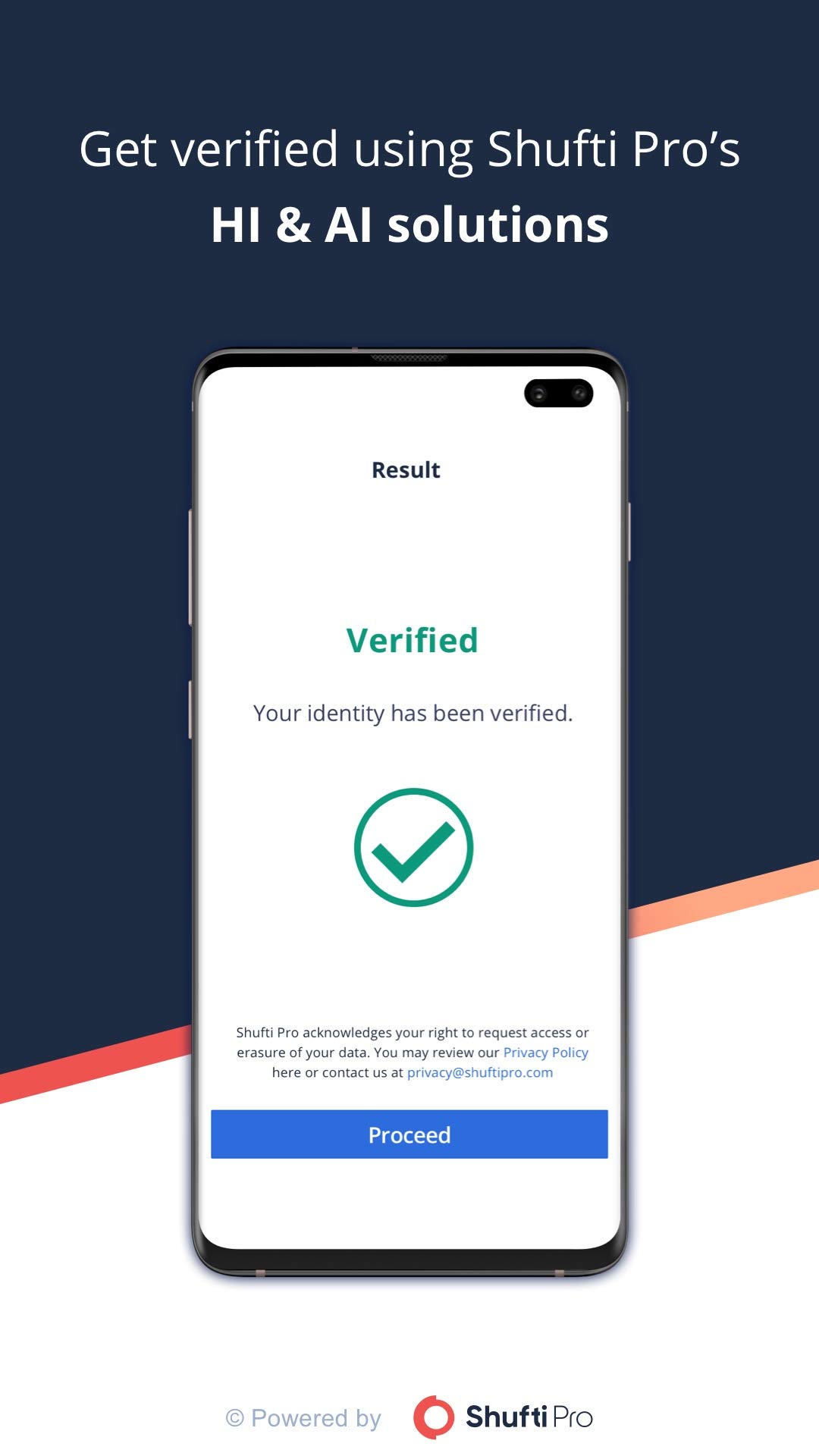
Shufti Pro combines document verification with biometric liveness checks, using AI to spot deepfakes during crypto onboarding. The platform supports over 200 document types globally, ensuring compliance across jurisdictions. Its automated fraud detection engine reduces manual review loads significantly. This tool helps exchanges maintain security while scaling user acquisition efforts efficiently.
7. IDology identity proofing and risk scoring
IDology focuses on behavioral biometrics and data enrichment to assess user risk during sign-up. It cross-references device fingerprints with historical data points to flag suspicious activity before account creation. This proactive approach minimizes chargebacks and fraudulent accounts in crypto platforms. The system integrates seamlessly with existing KYC workflows for enhanced security.

8. Sardine machine learning fraud prevention tool
Sardine leverages machine learning to detect synthetic identities and complex fraud rings. It analyzes thousands of data signals in real-time to verify user authenticity. This tool is particularly effective for crypto exchanges dealing with high-volume transactions. Sardine’s adaptive models learn from new fraud patterns, keeping security measures current and robust.

9. Persona secure digital onboarding interface
Persona provides a customizable digital onboarding experience that simplifies KYC for crypto users. It supports multiple verification methods, including selfie matching and document scanning, within a single flow. The interface is designed to reduce friction while maintaining high security standards. Persona’s API-first approach allows for easy integration into various trading platforms.
10. Yoti decentralized identity and age verification
Yoti utilizes decentralized identity technology to give users control over their personal data. It enables secure age verification and identity proofing without storing sensitive information centrally. This approach enhances privacy while meeting regulatory requirements for crypto onboarding. Yoti’s biometric authentication ensures that only authorized users can access their accounts.

How to choose the right crypto onboarding tool
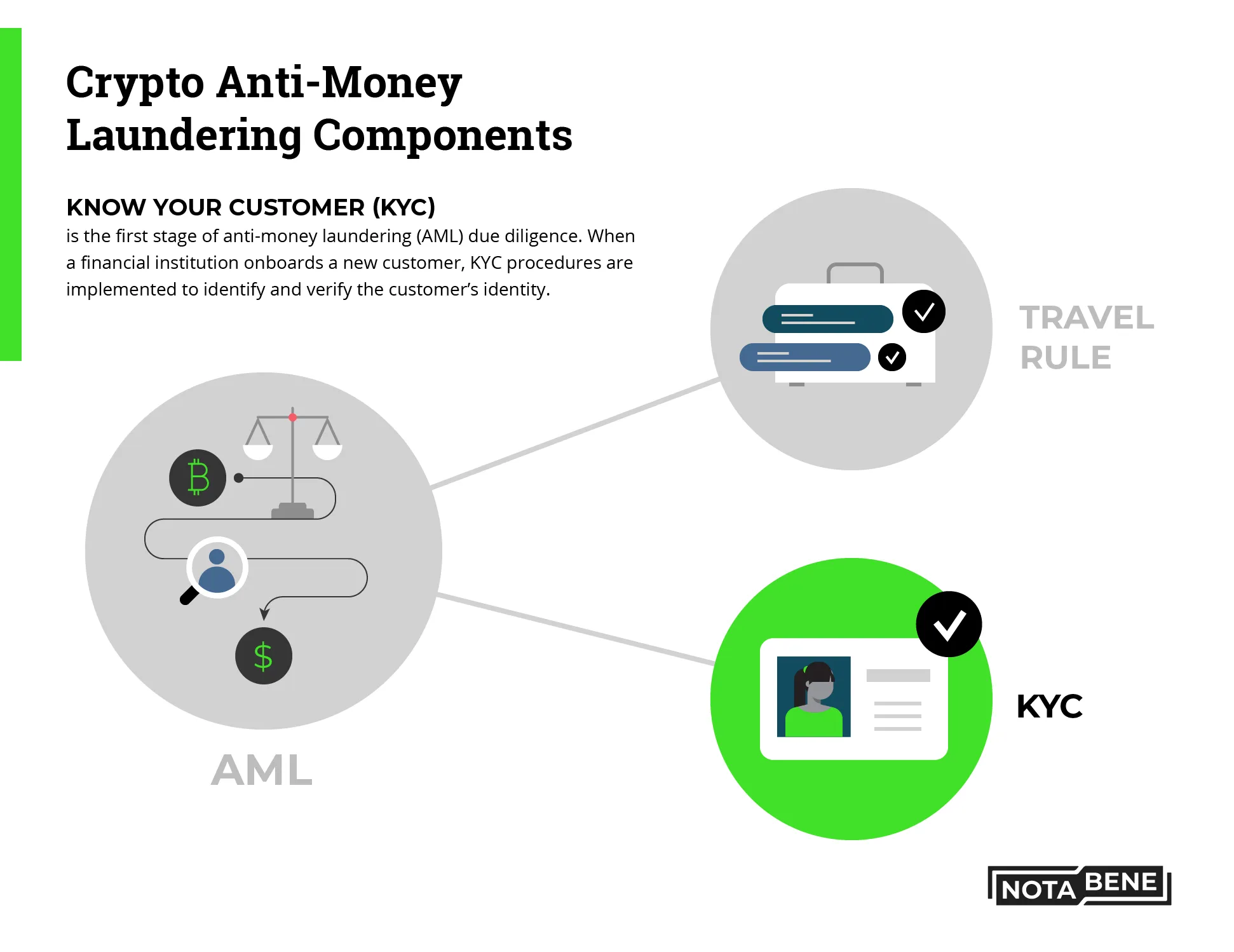
Selecting a platform for crypto onboarding requires balancing regulatory compliance with user experience. The goal is to find a system that satisfies anti-money laundering (AML) requirements without creating friction that drives users away. A robust onboarding framework acts as a gatekeeper, verifying identity while maintaining the speed expected by modern digital consumers.
- Verify jurisdictional support
Not all biometric KYC providers operate globally. Ensure the platform supports users in your target regions, particularly the United States, where regulatory scrutiny is highest. Some tools restrict services based on local laws, so confirm availability before committing.
- Assess fraud detection accuracy
AI fraud detection must distinguish between legitimate users and sophisticated attacks. Look for platforms that use behavioral analysis alongside document verification. High false-positive rates can frustrate genuine users, while missed fraud increases liability.
- Evaluate integration complexity
The best onboarding tool integrates seamlessly with your existing wallet or exchange infrastructure. Check for available APIs and SDKs that match your tech stack. Complex integrations delay launch timelines and increase development costs.
- Compare conversion metrics
Speed matters in onboarding. Tools that reduce the number of steps and use passive biometric verification (like facial recognition) typically see higher conversion rates. Review case studies or demo data to estimate your platform's potential drop-off rates.
| Criteria | What to look for |
|---|---|
| Compliance | Supports FATF Travel Rule and local AML laws |
| Biometric Accuracy | Liveness detection prevents spoofing attacks |
| Integration | REST/GraphQL APIs with SDKs for major languages |
| User Experience | Under 2 minutes for full KYC completion |


As an Amazon Associate, we may earn from qualifying purchases.
-
"""Confirm US/EU regulatory compliance"""
-
"""Test biometric liveness detection"""
-
"""Verify API documentation quality"""
-
"""Check average KYC completion time"""
FAQ: Crypto Onboarding with Biometric KYC and AI Fraud Detection
Is biometric KYC safe for crypto accounts? Biometric data, such as facial recognition or fingerprint scans, is encrypted and stored locally on your device or in secure, isolated vaults by the provider. This approach is generally safer than traditional document uploads because it reduces the risk of identity theft through database breaches. However, you should verify that the onboarding tool uses liveness detection to prevent spoofing with photos or masks.
How does AI fraud detection work during onboarding? AI fraud detection analyzes behavioral patterns in real time. It checks for device anomalies, IP address inconsistencies, and typing rhythms. If the system detects a mismatch between the user’s device fingerprint and their claimed identity, it triggers a secondary verification step or blocks the transaction. This automated layer catches synthetic identities and account takeovers faster than manual review.
Can I use crypto onboarding tools if I live in the US? Yes, but availability depends on state regulations and the specific provider’s licensing. Some global onboarding tools restrict services in certain US states due to money transmitter laws. Always check the provider’s jurisdictional support page before signing up. Tools like Plaid or Stripe-based onramps typically comply with US federal and state requirements.
What happens if AI flags my onboarding as fraudulent? If AI flags your activity, you will likely face a temporary hold and be asked to provide additional proof of identity. This might include a video call verification or uploading a government-issued ID. Be prepared to respond quickly to avoid account suspension. Maintaining consistent device and network usage during onboarding reduces false positives.
No comments yet. Be the first to share your thoughts!