

Navigating the crypto world in 2026 feels like stepping into a high-speed express lane compared to the congested highways of early blockchain days. As a portfolio manager who's seen Ethereum's gas fees spike and crash over a decade, I can tell you Layer 2 onboarding is no longer optional for beginners; it's essential. These scaling solutions like Arbitrum, Optimism, and Polygon slash costs and boost speeds while keeping Ethereum's security intact. If you're tired of $50 swaps eating your gains, this layer 2 onboarding guide will walk you through secure wallet setup, starting with the basics.
Why Beginners Should Prioritize L2 Wallet Configuration Now
Picture this: You're dipping your toes into DeFi, but every transaction on mainnet Ethereum drains your enthusiasm faster than a bad trade. Layer 2 networks process deals off-chain and settle on Ethereum, delivering sub-cent fees and near-instant confirmations. In my experience managing diversified L2-heavy portfolios, networks like Arbitrum have matured into robust ecosystems supporting everything from DEXs to NFTs. Beginners gain most here; low barriers mean more experimentation without the sting of high costs. Skipping L2 onboarding keeps you sidelined while savvy users thrive on volatility.
Arbitrum leads with optimistic rollups, assuming transactions are valid unless challenged, which keeps things efficient. Optimism follows suit, and Polygon offers sidechain flexibility. The key? A proper crypto wallet setup L2 compatible with these chains. Without it, you're stuck bridging blindly, risking funds to shady interfaces.



Selecting Your Ideal Wallet for Beginner L2 Wallet Configuration
Don't grab just any wallet; pick one battle-tested for multi-chain life. MetaMask reigns supreme for its browser extension ease and native L2 support, perfect for desktop traders like me. Coinbase Wallet shines if you're in their ecosystem, especially for Base, their L2 darling. Rainbow Wallet appeals to mobile-first users with its colorful interface and built-in swaps.
I recommend starting with MetaMask for most. It's free, open-source, and integrates seamlessly with bridges. Avoid flashy newcomers; stick to audited options to sidestep rug pulls. During setup, treat your 12-word seed phrase like Fort Knox gold: jot it on paper, split across safe spots, never screenshot. One slip, and volatility turns into loss.
Mastering Network Addition: Arbitrum Onboarding Tutorial Essentials
Wallet in hand? Time to wire in those L2 chains. MetaMask users, hit the network dropdown, select 'Add Network, ' and input details manually. For Arbitrum onboarding tutorial fans:
| Network | RPC URL | Chain ID | Explorer |
|---|---|---|---|
| Arbitrum One | https://arb1.arbitrum.io/rpc | 42161 | https://arbiscan.io |
| Optimism | https://mainnet.optimism.io | 10 | https://optimistic.etherscan.io |
| Polygon Mainnet | https://polygon-rpc.com | 137 | https://polygonscan.com |
Save, switch, and verify by checking balance zeroed out initially. Repeat for Optimism or Polygon. Pro tip: Label custom networks clearly to avoid mix-ups during frantic trades. This beginner L2 wallet configuration step unlocks dApps invisible on Ethereum alone.
With networks live, you're primed for funding via official bridges. Ethereum to L2 transfers take minutes, but withdrawals? Plan a 7-day buffer for challenge periods. I've bridged millions this way; patience pays in self-custody freedom.
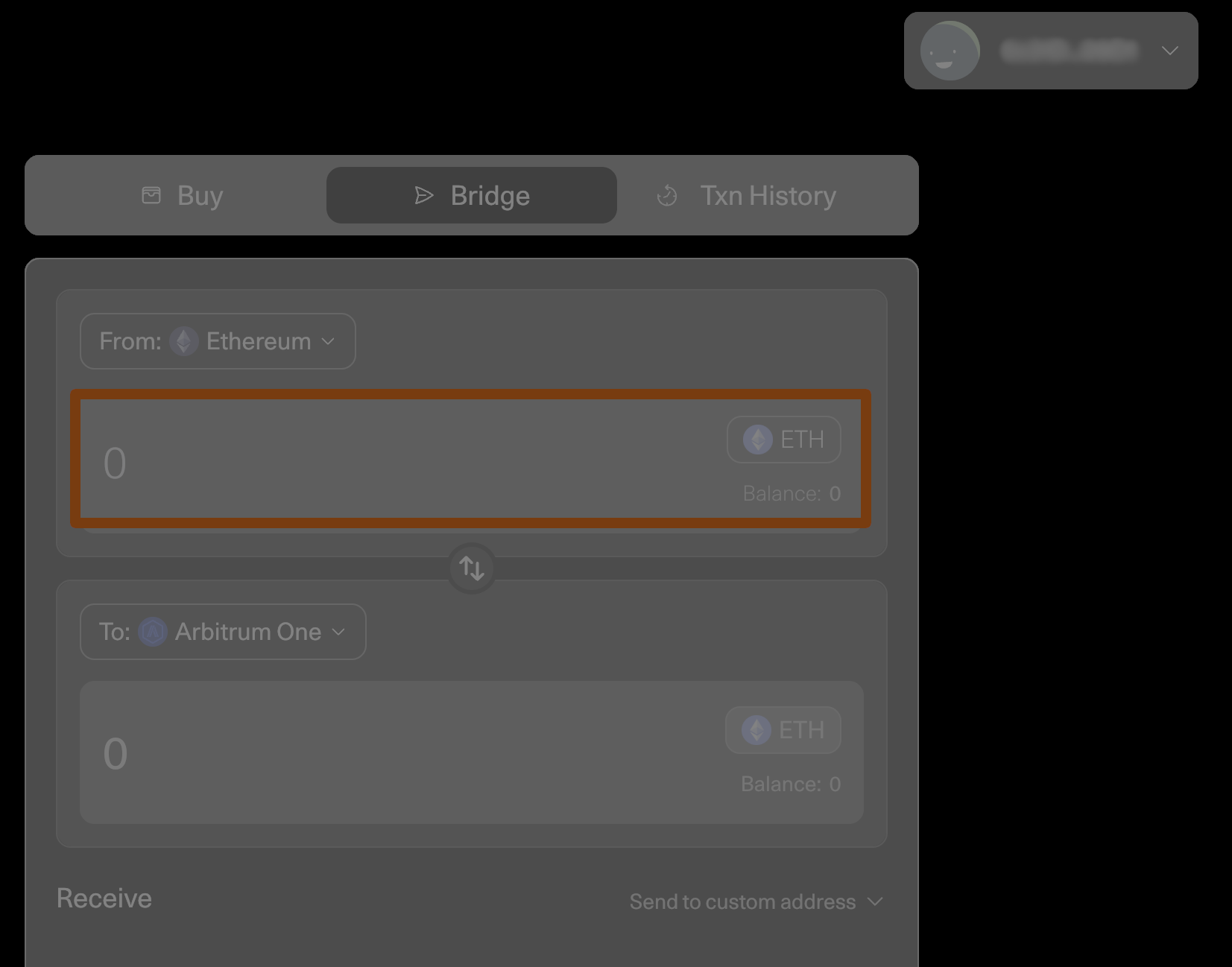
Now, the exciting part: getting assets onto your L2 without feeding the gas fee monster. Official bridges are your safest bet, like Arbitrum's sleek interface or Polygon's quick portal. Start small, say 0.01 ETH, to test the waters. Connect your wallet, approve the deposit, and watch funds appear in under 10 minutes. I've seen impatient newbies rush withdrawals only to hit that mandatory delay, turning quick flips into week-long waits. Treat bridging like a deliberate portfolio rebalance, not a sprint.
Step-by-Step Bridging: Your Optimism Wallet Bridge 2026 Blueprint
Each L2 has its bridge, but the process mirrors across them. For Arbitrum, head to bridge. arbitrum. io, ensure you're on Ethereum mainnet, then deposit. Optimism's app. optimism. io follows suit, emphasizing fault proofs in 2026 updates for even tighter security. Polygon users love their aggregator for multi-chain hops. Always double-check contract approvals; revoke extras via tools like Revoke. cash to keep hackers at bay. In my multi-chain strategies, this ritual minimizes slippage and maximizes efficiency.
Once funded, dive into dApps. Uniswap on Arbitrum offers deep liquidity without Ethereum's premiums, while Aave on Optimism lets you lend ETH at competitive yields. Test with a simple swap: select tokens, confirm low fees, execute. Success feels like unlocking cheat codes in crypto's game.
L2 Network Comparison: Picking Winners for Your Portfolio
With options galore, weigh TVL, fees, and uptime. Arbitrum dominates DEX volume, Optimism pushes governance innovation, Polygon blends ZK speed with sidechain reach. Base, Coinbase's entry, simplifies for fiat ramps. My diversified approach? Allocate across three for volatility hedge.
Comparison of Top Layer 2 Networks
| L2 Network | Avg Tx Fee (USD) | TVL Rank | Key dApps | Beginner Score |
|---|---|---|---|---|
| Arbitrum | <$0.01 | 1 | Uniswap, GMX, Radiant Capital | ⭐⭐⭐⭐🌟 |
| Optimism | <$0.01 | 2 | Synthetix, Velodrome, Lyra | ⭐⭐⭐⭐ |
| Polygon | <$0.001 | 4 | QuickSwap, Aave, Balancer | ⭐⭐⭐⭐⭐ |
| Base | <$0.01 | 3 | Aerodrome, Moonwell, Seamless | ⭐⭐⭐⭐⭐ |
Security isn't a one-off; it's daily discipline. Hardware wallets like Ledger integrate via MetaMask for cold storage on L2s. Enable transaction simulations in wallets to preview outcomes, a 2026 must-have catching exploits pre-execution. Watch for phishing via domain mismatches, and use sub-accounts for experimental plays.

Common stumbles? Forgetting challenge windows, over-approving tokens, or chasing unverified dApps. I've coached beginners through these, turning frustration into fluency. Regularly rotate seed phrases to fresh paper backups, and audit connected sites monthly. In volatile markets, this vigilance preserves gains.
Mastering crypto wallet setup L2 opens doors to DeFi yields compounding at rates mainnet can't touch. Pair Arbitrum for trading, Optimism for DAOs, Polygon for gaming NFTs. As Ethereum scales further with danksharding, L2s evolve, but solid onboarding endures. Diversify early, stay secure, and let low fees fuel your crypto journey ahead.


No comments yet. Be the first to share your thoughts!