
Define your onboarding requirements
Before evaluating specific platforms, you must map your operational constraints. A crypto onboarding tool is not a single feature but a stack of identity verification, fiat rails, and regulatory reporting. Selecting the wrong foundation creates friction that no UI polish can fix.
Start by listing the jurisdictions where you will accept users. Compliance requirements vary drastically between the United States, the European Union, and other regions. For example, US-based users often face stricter hold periods and banking partner limitations compared to international counterparts. If you plan to operate globally, you need a provider with multi-jurisdictional KYC (Know Your Customer) capabilities rather than a local-only solution.
Next, define your compliance thresholds. Determine the level of due diligence required for each user tier. Do you need standard identity checks, or does your business model require enhanced due diligence for high-volume transactions? Your tool must support this risk-based approach without creating unnecessary barriers for low-risk users.
Finally, assess your technical integration capacity. Onboarding tools require API connections to banking partners and identity providers. If your engineering team is small, prioritize platforms with pre-built SDKs and minimal custom code. Complex integrations can delay launch by months, while streamlined tools allow you to test and iterate quickly.
Audit your target user base
Understanding who you are onboarding dictates the friction level you can impose. If your users are crypto-native, they may tolerate complex wallet connections. If you are targeting retail users new to Web3, the process must be as simple as a traditional banking app.
Map the user journey from sign-up to first transaction. Identify every data point you need to collect and why. If you can justify the data collection with a clear compliance or security reason, you can reduce user drop-off. If the data request seems arbitrary, users will abandon the process.
Consider the device types your users will access your platform from. Mobile-first onboarding requires different design patterns than desktop-only flows. Ensure your chosen tool supports responsive identity verification, including selfie checks and document uploads on mobile devices.
Set your success metrics
Define what success looks like for your onboarding flow. Track key metrics such as completion rate, time-to-complete, and drop-off points. These numbers will guide your optimization efforts.
Aim for a completion rate above 70% for standard KYC flows. If your rate is lower, investigate whether the issue is technical, regulatory, or user experience-related. Use heatmaps and session recordings to identify where users struggle.
Monitor the cost per onboarded user. This includes fees paid to KYC providers, banking partners, and any internal operational costs. Balance cost with quality; cheaper verification may lead to higher fraud rates, which are far more expensive to resolve later.
Integrate identity verification workflows
Crypto Onboarding Tool 10 works best as a clear sequence: define the constraint, compare the realistic options, test the tradeoff, and choose the path with the fewest hidden costs. That order keeps the advice usable instead of decorative. After each step, pause long enough to check whether the recommendation still fits the reader's actual situation. If it depends on perfect timing, unusual access, or a best-case budget, include a simpler fallback.

Connect fiat onramp and wallet options
The transition from traditional banking to crypto wallets requires a verified link between the user’s identity and their funding source. This step bridges the gap between fiat currency and digital assets, ensuring compliance with KYC (Know Your Customer) and AML (Anti-Money Laundering) regulations.
Most modern crypto onboarding tools integrate directly with banking APIs to streamline this process. For example, Plaid allows developers to connect user bank accounts securely, enabling instant transfers that trigger the minting or purchase of crypto assets [src-serp-3]. This integration reduces friction by automating the verification of account ownership and funding availability.
When selecting an onramp provider, consider the balance between speed, cost, and regional availability. The table below compares three common approaches used in web3 applications.
| Provider Type | Settlement Speed | Fee Structure | Supported Regions |
|---|---|---|---|
| Aggregator Widgets (e.g., Transak, Onramper) | Minutes to hours | 3-5% spread + network fees | Global (varies by KYC partner) |
| Bank API Integrations (e.g., Plaid, Stripe) | 1-3 business days (ACH) or instant (Wire) | Lower flat fees; bank wire fees may apply | Primarily US, EU, and UK |
| Direct Bank Transfers (SEPA/ACH) | 1-3 business days | Low or no platform fees | EU (SEPA) or US (ACH) only |
After verifying the funding source, the user must link their wallet. This can be done via seed phrase, private key, or social login (SBT). Ensure your crypto onboarding tool supports the specific wallet standards (such as ERC-4337 account abstraction) relevant to your target audience to minimize drop-off rates during this final handoff.
Test the user acquisition funnel
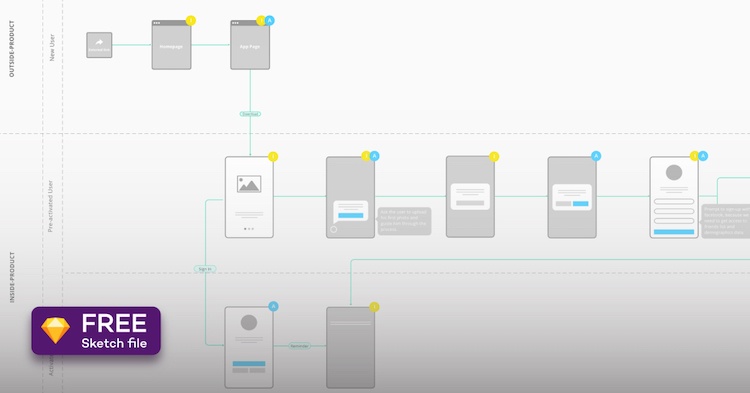
Before launching your crypto onboarding tool, you must validate the entire user acquisition funnel. This phase identifies where potential users drop off and ensures error handling is robust. A smooth onboarding experience reduces friction and builds trust from the first interaction.
Verify identity verification flows
Test the KYC (Know Your Customer) integration thoroughly. Ensure users can upload documents without crashing the app and that the system accepts valid formats. Streamline the process to minimize time-to-verification, as delays here are a primary cause of abandonment.
Check error handling and feedback
Simulate common user mistakes, such as uploading blurred images or entering incorrect data. The interface should provide clear, actionable error messages rather than generic failure codes. Proper feedback guides users to correct issues quickly, keeping them engaged in the acquisition funnel.
Measure drop-off points
Use analytics to track conversion rates at each step of the onboarding journey. Identify specific screens where users exit the flow. If a particular step shows a high drop-off rate, investigate whether it is too complex or requires unnecessary information.
-
Test KYC document upload on multiple devices
-
Verify error messages are clear and helpful
-
Check conversion rates at each funnel step
-
Validate wallet connection stability
-
Ensure compliance with local regulations
Address common compliance: what to check next
Building trust requires transparency around privacy, taxation, and asset security. Users need to know how their data is handled and what happens if their assets are involved in legal proceedings. This section addresses the most frequent concerns to reduce support load and clarify expectations.
Can the IRS see your crypto wallet?
Yes. The IRS treats cryptocurrency as property and requires reporting of transactions. Many exchanges are required to issue Form 1099s, meaning the IRS can trace activity through centralized platforms. Even non-custodial wallets are subject to reporting requirements if income is generated. Users should consult a tax professional to understand their specific obligations under current federal law.
Can my wife take my crypto in a divorce?
Cryptocurrency is generally considered marital property if acquired during the marriage, regardless of whose name is on the wallet or exchange account. Courts can order the division of digital assets just as they would bank accounts or real estate. Proper documentation of private keys and transaction history is essential for equitable distribution.
What is the crypto onboarding process?
Onboarding involves identity verification (KYC), wallet creation, and initial funding. For US users, this often includes linking a bank account or credit card. Some platforms, like Coinbase, may hold funds for seven days before allowing transfers, while others like Kraken may take three days. Always check the specific transfer windows of your chosen provider before initiating large transactions.
Helpful gear
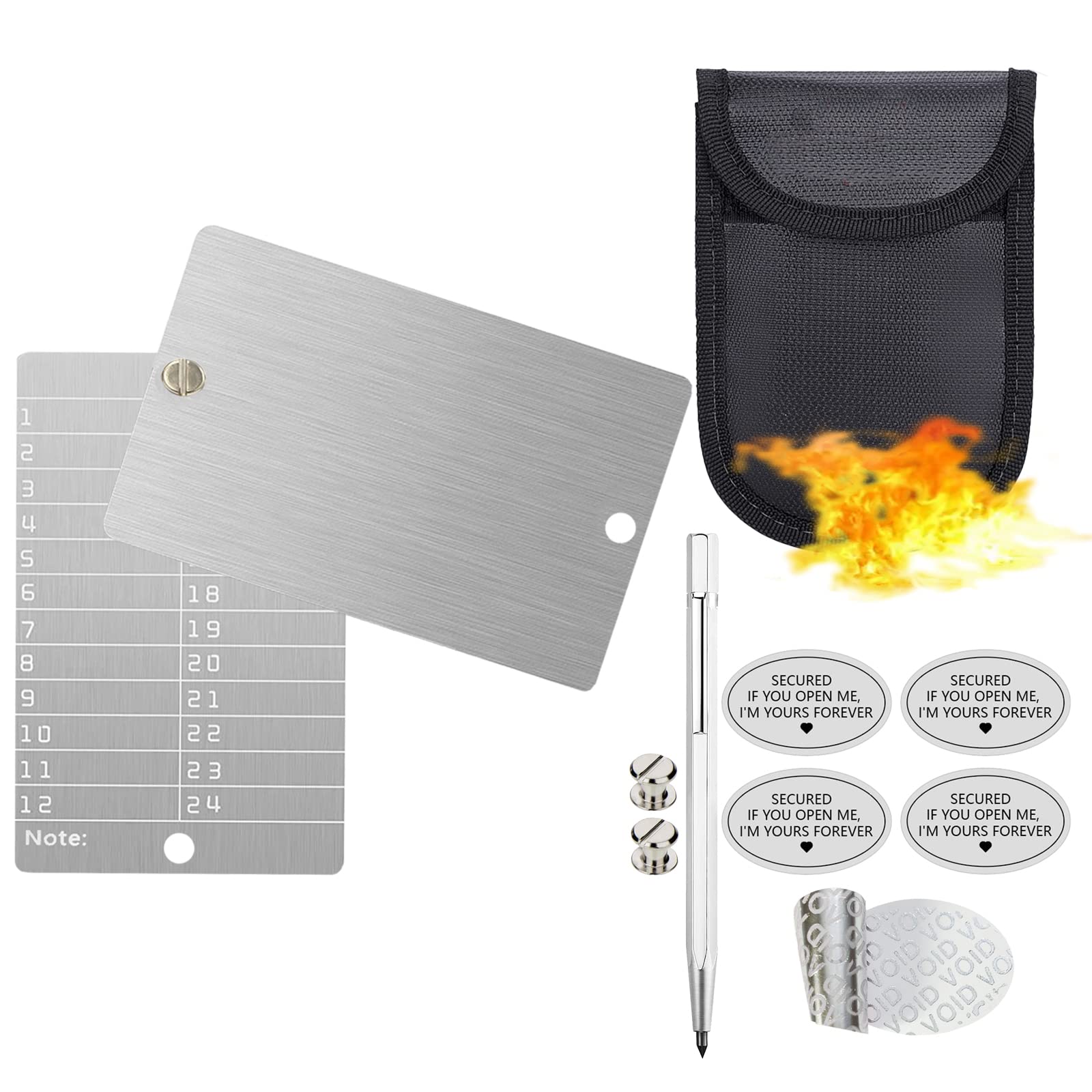
Use these product recommendations as a starting point, then choose the size, material, and price point that fit how you actually use the gear.

As an Amazon Associate, we may earn from qualifying purchases.
No comments yet. Be the first to share your thoughts!