

Crypto onboarding tools 2026
We selected the top ten AI-powered crypto onboarding tools based on their ability to balance user acquisition speed with regulatory compliance. In 2026, the market has shifted from simple KYC verification to comprehensive identity and risk management ecosystems. We prioritized platforms that integrate seamlessly with white-label exchange infrastructure, as identified by industry leaders like B2Broker and HollaEx, while ensuring robust compliance with AML standards through providers like Chainalysis.
Our evaluation focused on three core metrics: conversion rate optimization, fraud detection accuracy, and regulatory adaptability. Tools were assessed on their capacity to reduce friction for legitimate users while blocking malicious actors in real-time. We excluded solutions that lack transparent data handling policies or fail to support the specific compliance frameworks required for US-based operations. This list features only those tools that have demonstrated measurable impact on user retention and platform security.
10 2026 guide: Top 10 AI-Powered Crypto Onboarding Tools for Seamless User Acquisition
Selecting the right AI-powered onboarding tool requires verifying compliance with 2026 regulatory standards, not just evaluating user interface speed. This roundup compares ten specific platforms based on identity verification accuracy, fraud detection latency, and actual integration complexity for legal and operational teams.
1. Onfido identity verification API integration
Onfido streamlines user onboarding by combining document checks with facial matching through a single, developer-friendly API. This integration reduces friction during sign-up while maintaining rigorous regulatory standards. The platform handles complex document validation automatically, allowing teams to focus on core product features rather than building custom compliance infrastructure from scratch.

2. Jumio biometric KYC automation
Jumio automates Know Your Customer processes using advanced biometric technology to verify user identities quickly. Its passive liveness detection ensures that the person presenting the ID is physically present, reducing fraud risks significantly. This solution is ideal for platforms requiring high-volume, secure onboarding without manual review bottlenecks.
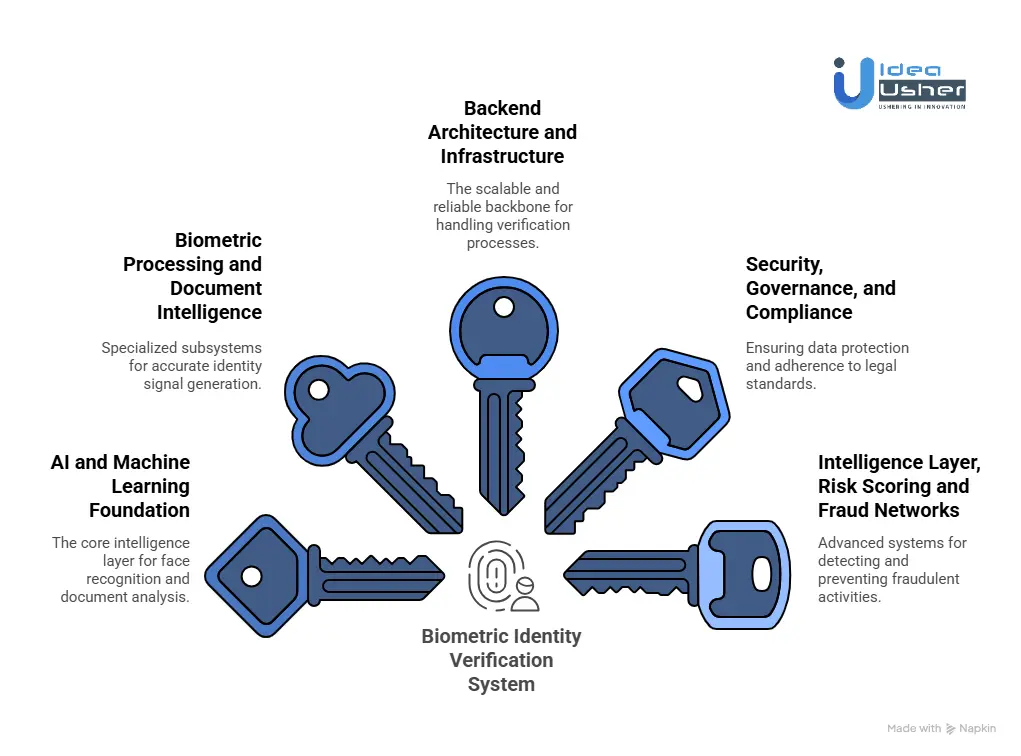
3. Sumsub global compliance dashboard
Sumsub offers a centralized dashboard for managing global compliance requirements across multiple jurisdictions. It simplifies the monitoring of regulatory changes and ensures that onboarding flows adhere to local laws. This tool is particularly useful for crypto platforms operating internationally, as it aggregates diverse compliance needs into a single interface.
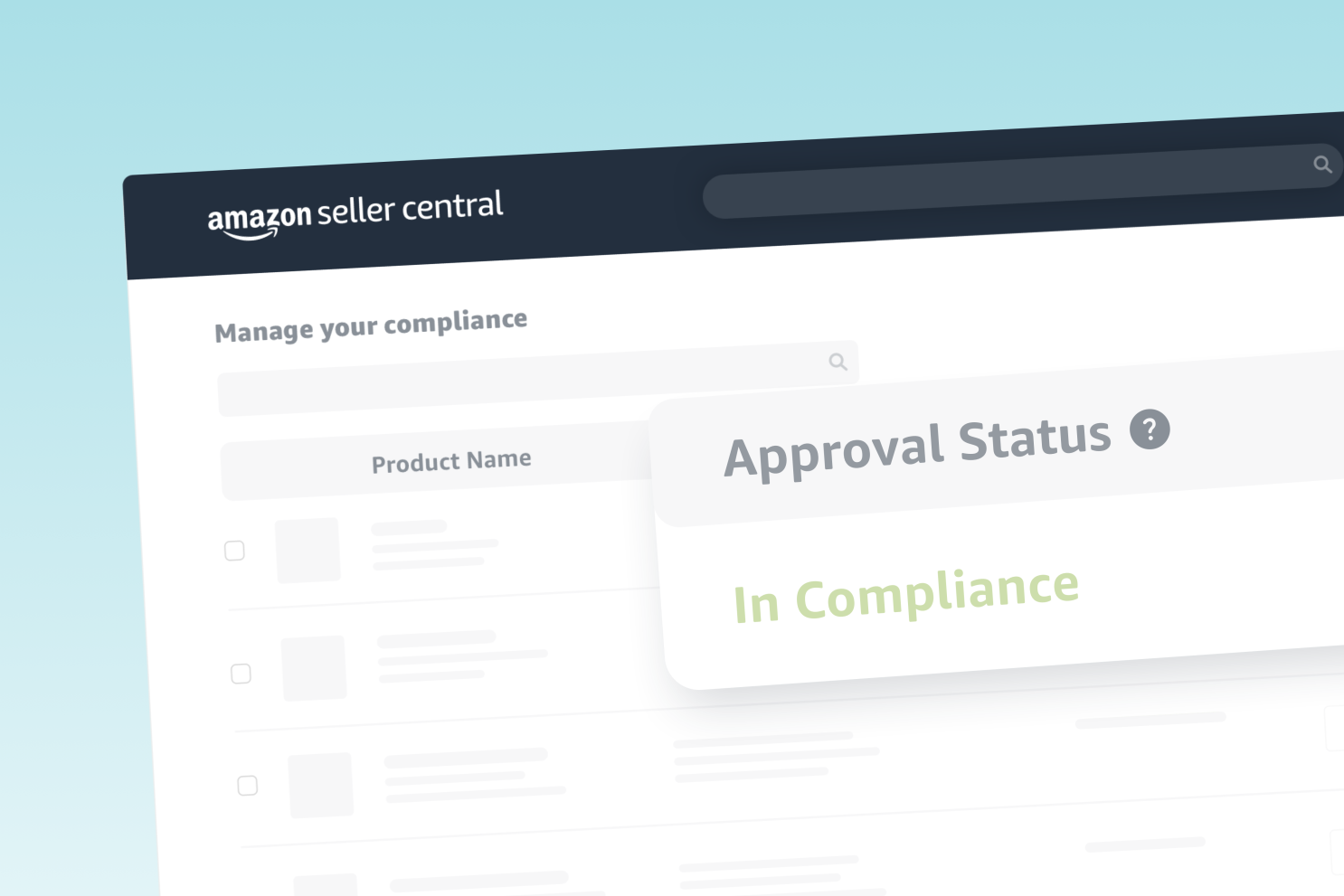
4. Trulioo enterprise data verification
Trulioo provides enterprise-grade data verification by accessing global identity databases to confirm user information. This service is essential for large-scale platforms that need to validate identities against authoritative sources. It offers a robust layer of security by cross-referencing user data with official records, minimizing the risk of identity theft.

5. Veriff facial recognition onboarding
Veriff specializes in facial recognition onboarding, using AI to match live selfies with ID photos. This method provides a seamless user experience while ensuring high accuracy in identity verification. It is particularly effective for mobile-first crypto platforms, as it allows users to complete onboarding quickly from their smartphones.

6. Chainalysis KYT transaction monitoring
Chainalysis KYT acts as a real-time radar for incoming crypto funds, flagging illicit sources before they hit your exchange. It integrates seamlessly with existing wallets to provide instant risk scores, allowing compliance teams to block high-risk addresses instantly. This proactive approach minimizes exposure to sanctions and money laundering, ensuring your platform remains secure against evolving threats. It is the digital equivalent of a customs officer checking every bag at the airport.

7. Elliptic crypto risk assessment
Elliptic offers deep blockchain analytics that trace fund origins across multiple chains, providing a comprehensive view of customer risk profiles. Its AI-driven engine identifies connections between addresses and known bad actors, helping exchanges avoid regulatory penalties. By visualizing complex transaction networks, Elliptic enables faster, more accurate decisions on whether to onboard or freeze assets. It transforms opaque blockchain data into clear, actionable intelligence for compliance officers.

8. ComplyAdvantage real-time screening
ComplyAdvantage leverages machine learning to screen users against global sanctions lists and politically exposed persons (PEPs) databases in real-time. It reduces false positives by analyzing contextual data, ensuring legitimate users are not unnecessarily blocked. This tool is essential for exchanges operating in multiple jurisdictions, as it adapts to changing regulatory requirements automatically. It serves as a dynamic shield, protecting your platform from accidental compliance breaches while maintaining a smooth user experience.
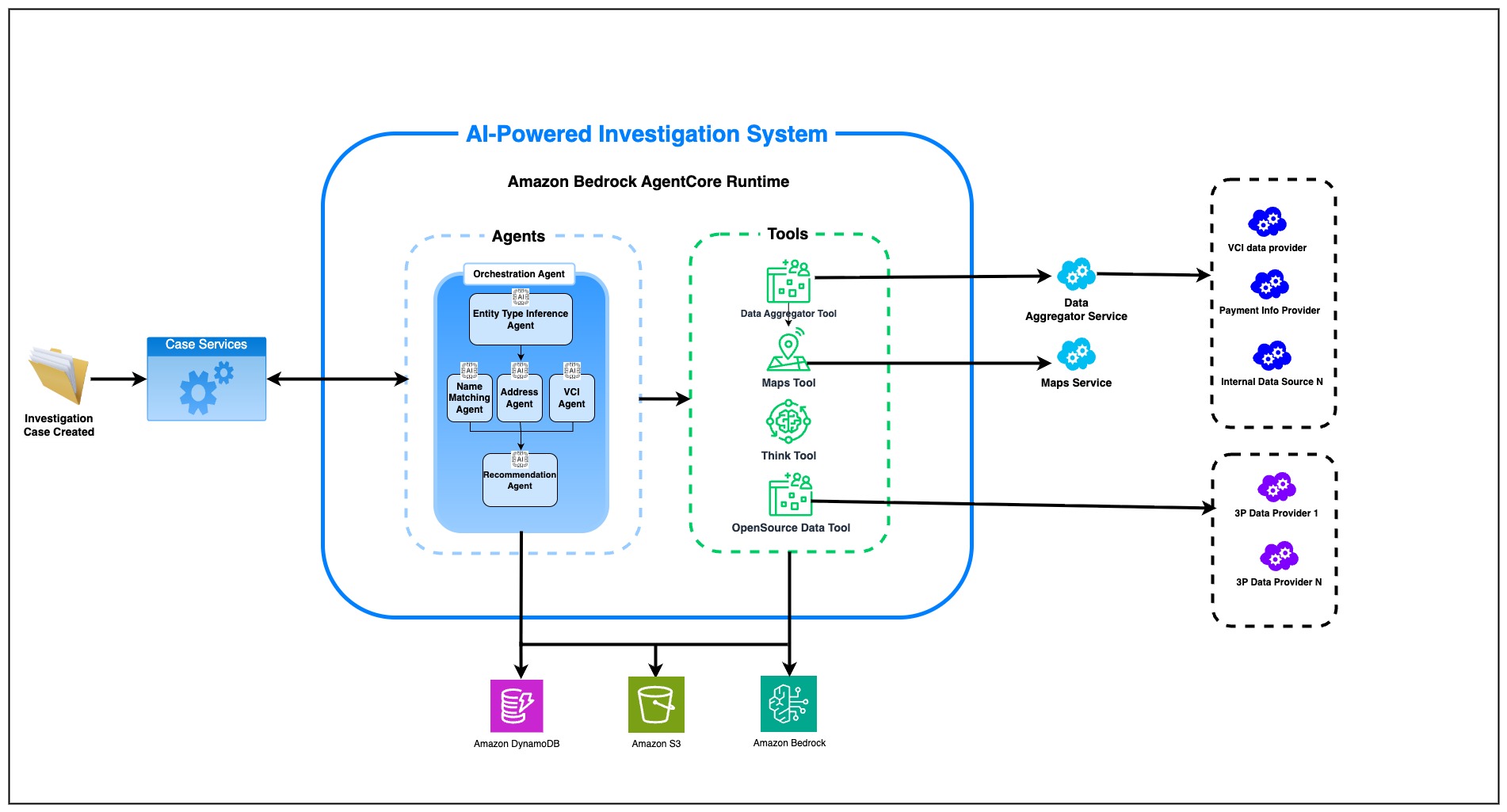
9. Smile ID African market verification
Smile ID specializes in identity verification for African markets, supporting local ID documents and mobile money accounts where traditional KYC fails. It uses AI to verify identities through selfies and document scans, adapting to varying image quality and lighting conditions common in diverse regions. This tool is crucial for exchanges aiming to expand into emerging markets, providing a localized onboarding experience that builds trust with users who may lack standard identification documents.
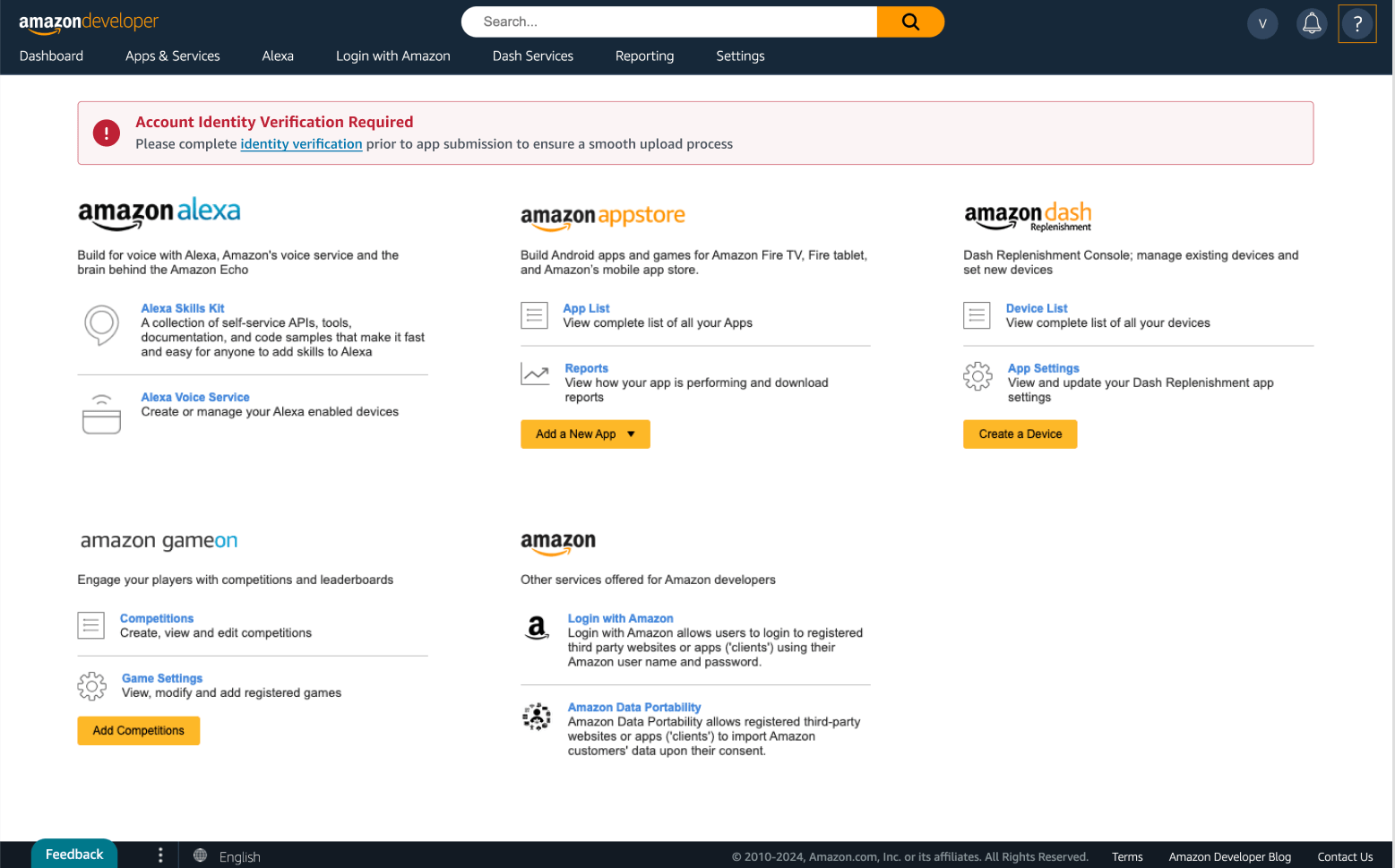
10. Moralis Web3 wallet authentication
Moralis simplifies Web3 onboarding by enabling seamless wallet authentication, allowing users to log in with their existing crypto wallets. It abstracts away complex blockchain interactions, making the entry point as easy as clicking a button. This tool is ideal for decentralized applications seeking to onboard non-custodial users without requiring them to create new accounts. It bridges the gap between traditional web interfaces and the decentralized world, reducing friction for new crypto adopters.

Pick the right fit
Choosing an AI-powered onboarding tool requires matching your specific compliance needs with user experience goals. The right platform reduces friction for legitimate users while satisfying regulatory requirements for identity verification and transaction monitoring.
Define your risk profile
Start by mapping your jurisdictional requirements. US-based platforms must integrate with FinCEN BSA standards and potentially OFAC screening. European entities need to align with MiCA regulations. Your tool should offer configurable risk scoring that adapts to these regional rules without requiring constant manual overrides.
Evaluate KYC/AML integration
Look for tools that embed Know Your Customer (KYC) and Anti-Money Laundering (AML) checks directly into the sign-up flow. AI-driven document verification should handle passport and ID scanning in seconds. Ensure the vendor provides real-time transaction monitoring to flag suspicious activity before it impacts your platform’s standing.
Test the user experience
A complex onboarding process increases drop-off rates. Review the interface for simplicity: does it guide users through steps clearly? Can it handle edge cases like poor lighting or blurry photos? The best tools balance security with speed, keeping verification under two minutes for standard users.
Check API and support
Verify that the API documentation is comprehensive and that the vendor offers dedicated technical support. Integration with existing wallets or exchanges should be straightforward. Review their uptime history and customer response times to ensure reliability during high-volume periods.
| Feature | Priority |
|---|---|
| Regulatory Compliance | High |
| User Experience | High |
| API Integration | Medium |
| Cost Structure | Medium |


As an Amazon Associate, we may earn from qualifying purchases.
FAQ: AI-Powered Crypto Onboarding Tools for Seamless User Acquisition
What crypto is going to skyrocket in 2026?
No tool can predict market movements with certainty. AI-powered onboarding platforms focus on user acquisition and compliance rather than price forecasting. Tools like Addressable and Nansen provide wallet-based growth intelligence, helping businesses understand user behavior on-chain, but they do not serve as investment advisors. Relying on onboarding software for trading signals is a mismatch of function and intent.
Can the FBI track a Bitcoin wallet?
Yes. While Bitcoin addresses are pseudonymous, they are recorded on a public ledger. AI-driven compliance tools like Chainalysis and TRM Labs, often integrated into onboarding workflows, help exchanges flag suspicious activity. Law enforcement agencies use these same analytics to trace transactions. Effective onboarding includes KYC (Know Your Customer) checks that tie wallet addresses to verified identities, making anonymity difficult to maintain.
Can you make $1,000 a day with crypto onboarding tools?
This is a common misconception. Onboarding tools are B2B infrastructure designed to help exchanges or fintech apps acquire and retain users. They are not trading platforms or passive income generators. While successful adoption can lead to revenue for the platform owners, individual users do not earn daily payouts from using onboarding software. The value lies in streamlined access to markets, not direct income.
Does crypto arbitrage still work in 2026?
Arbitrage opportunities exist but are increasingly competitive and difficult to execute manually. AI tools can identify price discrepancies across exchanges faster than human traders. However, high-frequency arbitrage requires significant capital and low-latency infrastructure. For most users, onboarding tools that offer seamless fiat on-ramps and multi-exchange connectivity are more valuable than attempting manual arbitrage, which often incurs fees that erase small profit margins.
No comments yet. Be the first to share your thoughts!