
Start with crypto onboarding tools 2026
This guide evaluates the best crypto onboarding tools for 2026, focusing on platforms that balance regulatory compliance with user-friendly design. We prioritize white-label exchange providers and KYC/AML solutions that help businesses integrate secure, seamless entry points for new users.
Our selection process relies on official source data and primary industry reports. We examined security protocols, liquidity options, and feature sets to identify tools that meet strict regulatory standards. This approach ensures that the recommended platforms are not only easy to use but also legally sound for global operations.
The tools listed below represent the most reliable options for businesses looking to launch or enhance their crypto services. Each entry includes a brief assessment of its strengths and potential trade-offs, helping you choose the right fit for your specific needs.
10 2026 guide: Top 10 Crypto Onboarding Tools for Seamless Web3 Adoption
Selecting the right onboarding tool is critical for reducing friction in Web3 adoption while maintaining regulatory compliance. This roundup evaluates ten practical solutions based on concrete integration capabilities and security tradeoffs.
1. Coinbase Wallet self-custody onboarding flow
This non-custodial option gives you full control over private keys without a seed phrase requirement for basic setup. The interface simplifies initial entry for newcomers while maintaining security standards. It integrates seamlessly with dApps, allowing users to interact with Web3 services directly from their mobile or browser. Perfect for those prioritizing autonomy over centralized exchange convenience.

2. MetaMask non-custodial account creation process
MetaMask remains the gold standard for browser-based Ethereum interactions. Its account creation process relies on a secure seed phrase backup, ensuring you own your assets. The tool supports a vast ecosystem of decentralized applications and token swaps. While the initial setup requires careful note-taking, the long-term reliability and community support make it an essential tool for serious Web3 participants.

3. Ramp Network fiat-to-crypto payment gateway
Ramp Network streamlines the critical first step: converting fiat currency into cryptocurrency. It offers competitive exchange rates and supports multiple payment methods, including bank transfers and cards. The platform focuses on speed and transparency, reducing the friction often associated with onboarding. For users needing a reliable bridge between traditional finance and digital assets, Ramp provides a robust, user-friendly solution.

4. MoonPay credit card purchase integration
MoonPay enables instant cryptocurrency purchases using major credit and debit cards. Its integration allows seamless buying experiences within various apps and wallets. The platform handles compliance checks automatically, simplifying the regulatory burden for users. While fees can vary based on payment method, the convenience of direct card purchases makes MoonPay a popular choice for quick onboarding into the crypto ecosystem.

5. Transak embedded checkout solution
Transak offers an embedded checkout experience that allows platforms to integrate crypto purchases directly. This solution is ideal for businesses looking to onboard users without redirecting them to external exchanges. It supports a wide range of fiat currencies and cryptocurrencies, ensuring broad accessibility. The seamless integration makes it a powerful tool for enhancing user retention and reducing drop-off rates during the onboarding phase.

6. Stripe Crypto onboarding API
Stripe’s embedded crypto infrastructure allows merchants to accept digital assets without managing keys. This API handles compliance and conversion to fiat, making it ideal for e-commerce platforms prioritizing regulatory safety over user self-custody. It streamlines the checkout process for traditional businesses entering Web3.
7. Circle USDC wallet verification steps
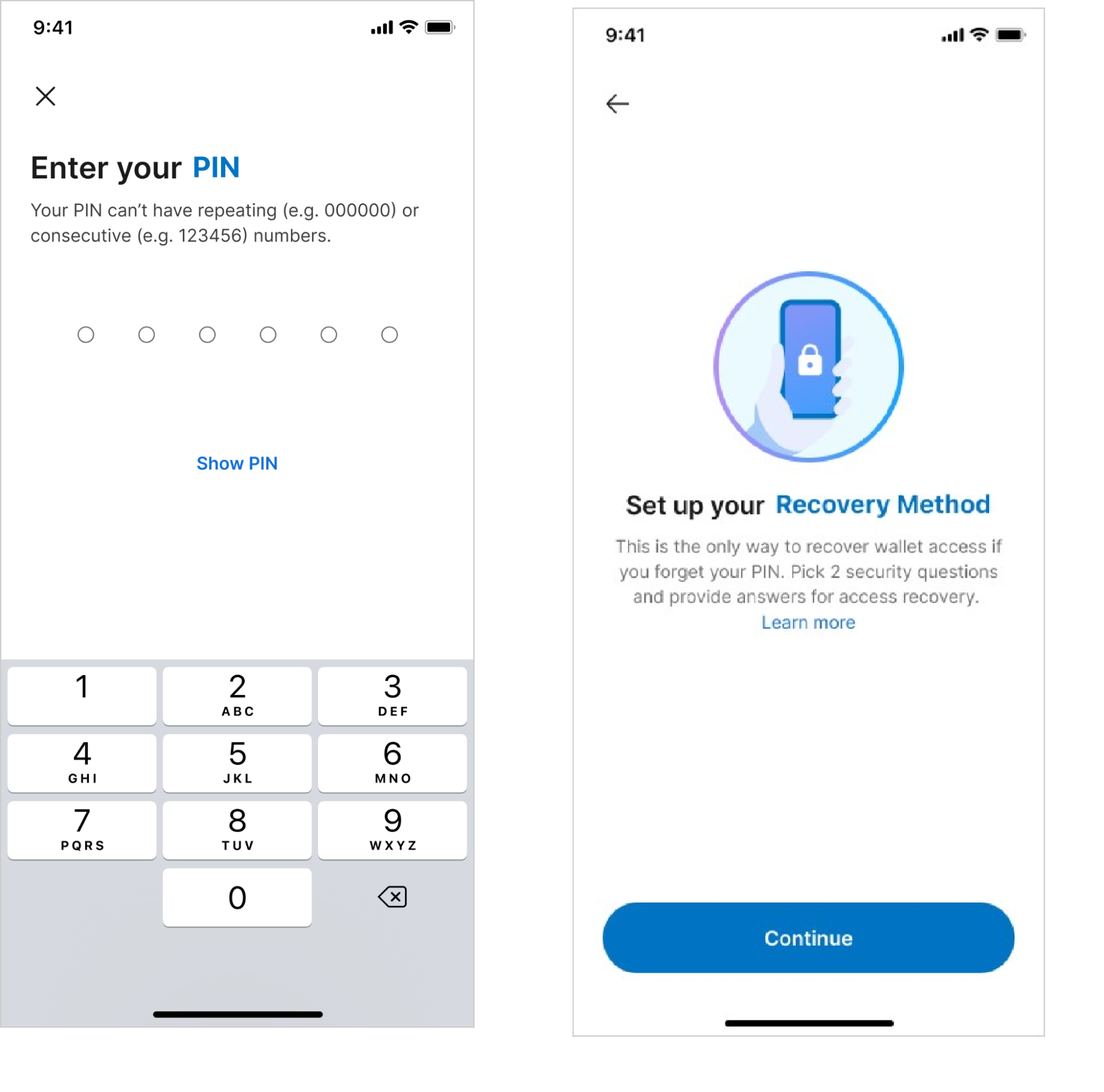
Circle’s USDC ecosystem emphasizes regulated stability through rigorous identity verification. Users must complete KYC checks to unlock full wallet features, ensuring compliance with financial regulations. This process reduces fraud risk but adds friction compared to non-custodial alternatives, appealing to institutional users.
8. Binance Pay instant transfer method
Binance Pay enables fee-free crypto transfers between users, functioning like a digital wallet for peer-to-peer transactions. It simplifies sending funds to friends or paying merchants without blockchain wait times. This method is efficient for quick settlements but requires both parties to use the Binance ecosystem.

9. Kraken Pro account setup guide
Kraken Pro caters to advanced traders with a robust interface for complex order types. Setting up an account involves detailed verification and security configurations, including 2FA and withdrawal whitelists. This platform prioritizes security and trading depth, making it suitable for users managing significant portfolios.

10. Ledger Live hardware wallet pairing
Ledger Live connects hardware wallets to manage crypto assets securely offline. Pairing involves installing the app, syncing with the device, and verifying addresses. This method ensures private keys never leave the device, offering maximum protection against online threats for long-term holders.

How to pick the right crypto onboarding tool
Choosing the right onboarding tool depends on whether you prioritize regulatory compliance, user experience, or technical integration. The decision framework below helps you evaluate options based on your specific operational needs.

Start by checking if the tool supports the jurisdictions where your users reside. Look for built-in KYC/AML features that align with local regulations, such as the EU's MiCA framework or US state-level money transmitter laws. Non-compliant tools expose your business to significant legal risk.

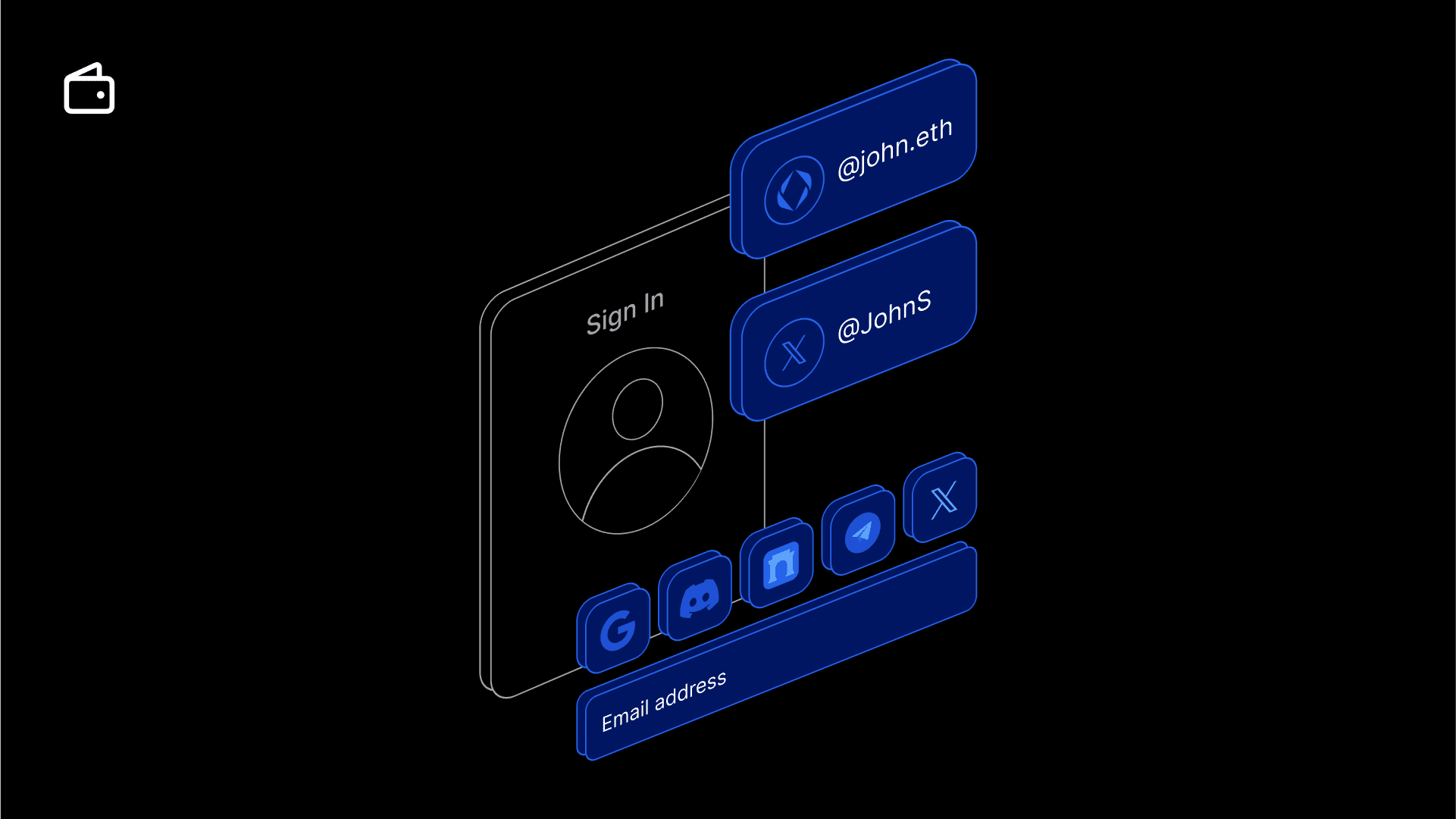
Measure how many steps a new user must complete to make their first transaction. Tools that require excessive document uploads or complex verification processes often lead to high drop-off rates. Prioritize solutions that offer social login integration or instant identity verification to maintain momentum.
Assess the API documentation and SDK availability. White-label solutions should allow you to customize the look and feel to match your brand without deep coding knowledge. Ensure the provider offers reliable uptime and clear support channels for troubleshooting integration issues.

Look beyond the headline fees. Some tools charge per verification, while others take a percentage of the transaction volume. Ensure the provider has access to deep liquidity pools to prevent slippage on user trades. Transparent fee structures help you forecast costs accurately as your user base grows.
| Feature | Compliance | User Friction | Integration |
|---|---|---|---|
| White-Label Platforms | High (Built-in KYC) | Low (Customizable UI) | Medium (API-based) |
| Stablecoin On-Ramps | Medium (Regulated) | Very Low (Instant) | High (SDK-based) |
| DeFi Aggregators | Low (Non-custodial) | High (Wallet setup) | High (Smart contracts) |


As an Amazon Associate, we may earn from qualifying purchases.
2026 FAQ: Crypto Onboarding Tools for Web3 Adoption
We address the most common questions about crypto onboarding, tax reporting, and platform selection to help you understand the current landscape with clarity.
No comments yet. Be the first to share your thoughts!