
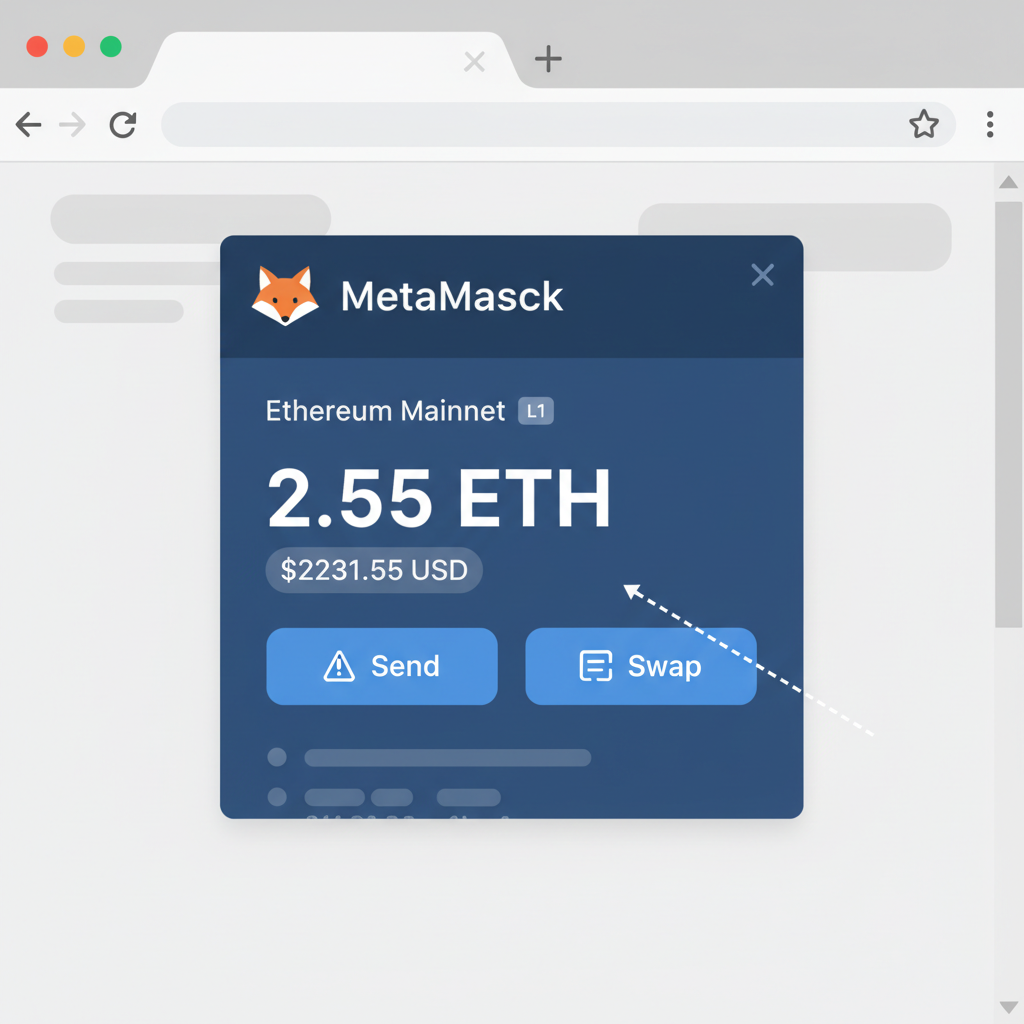
Layer 2 networks promise Ethereum's speed without the congestion, but Scroll's zkEVM implementation hits snags during onboarding that leave users stranded. With Ethereum trading at $2,231.55 after a 2.19% dip over the last 24 hours, gas fees remain a pinch point; bridging assets demands precision to avoid locked funds or failed transactions. I've guided countless users through these Scroll L2 troubleshooting hurdles, and the patterns are clear: wallet mismatches, forgotten approvals, and bridge misfires top the list. Let's dissect them methodically to get you onboarded securely.
Fix Scroll L2 Onboarding: Wallet Setup, Bridge & Troubleshooting Guide
Pinpointing Scroll Wallet Issues Before They Escalate
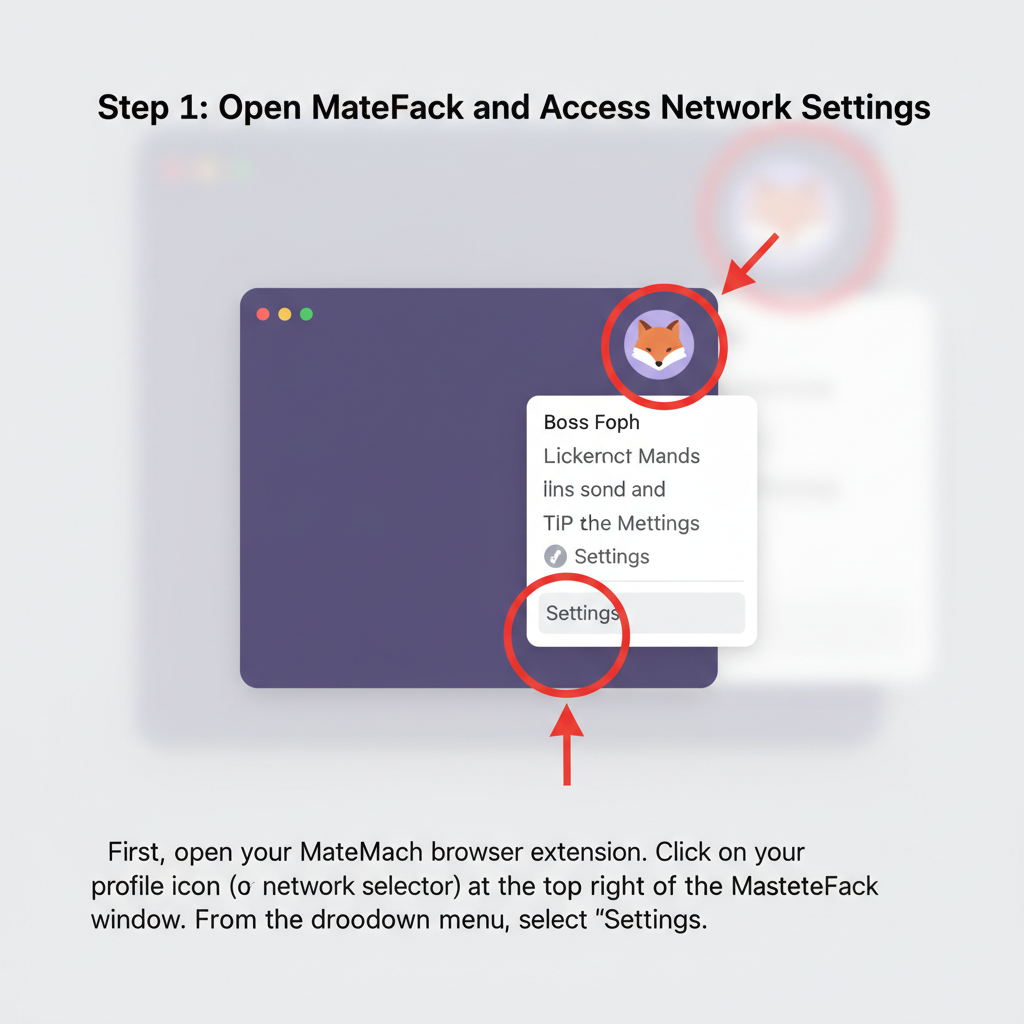
Wallet problems account for over half of Scroll wallet issues reported in community forums. Traditional Externally Owned Accounts (EOAs) clash with Scroll's push toward smart contract wallets, as highlighted in Scroll's own Keystore vision for mass adoption. Users often connect MetaMask or Rabby, only to face 'insufficient funds' or 'network mismatch' errors. The fix starts with verification: ensure your wallet supports zkEVM chains. Add Scroll's network manually if absent - RPC URL: https://rpc.scroll.io, Chain ID: 534352 for mainnet.
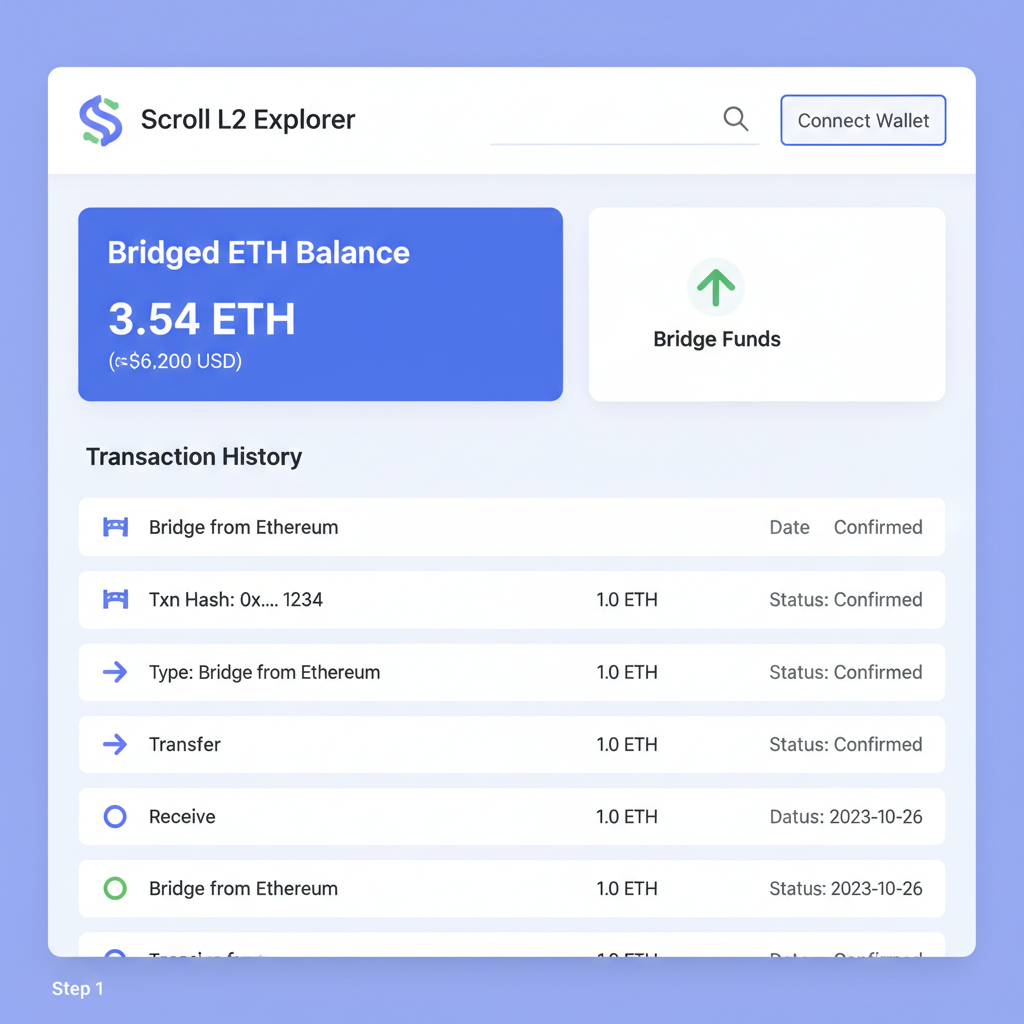
Next, fund your L2 wallet adequately. Deposits require L1 ETH approval first; without it, transactions revert silently. A common oversight: overlooking relayer fees on L2. Allocate at least 0.01 ETH post-bridge to cover interactions. Tools like Zerion shine here, aggregating Scroll positions alongside Ethereum L1 for unified visibility. In my experience, hybrid analysts like myself stress on-chain checks over blind reliance on wallet UIs - use Scroll's explorer at https://scrollscan.com to confirm balances before proceeding.
- Reset wallet connections: Disconnect all dApps in MetaMask settings, clear cache, and reconnect via Scroll's official bridge.
- Session keys for smart wallets: If using account abstraction, enable session keys to bypass signature limits during onboarding.
- Version compatibility: Update to MetaMask 11.15 and ; older builds falter on ZK proofs.
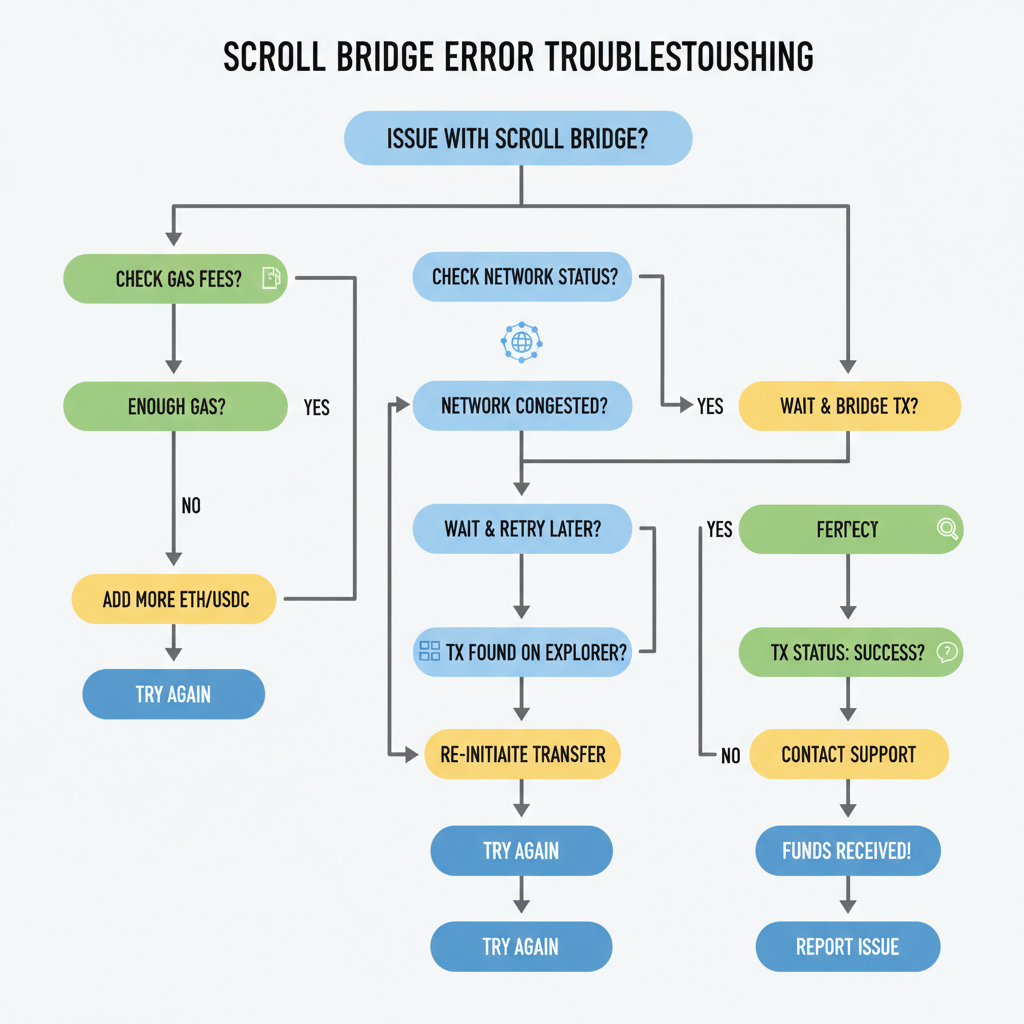
These steps resolve 80% of connection woes, preventing the frustration of stalled Scroll onboarding errors.

Demystifying Scroll Bridge Glitches: Deposits and Withdrawals
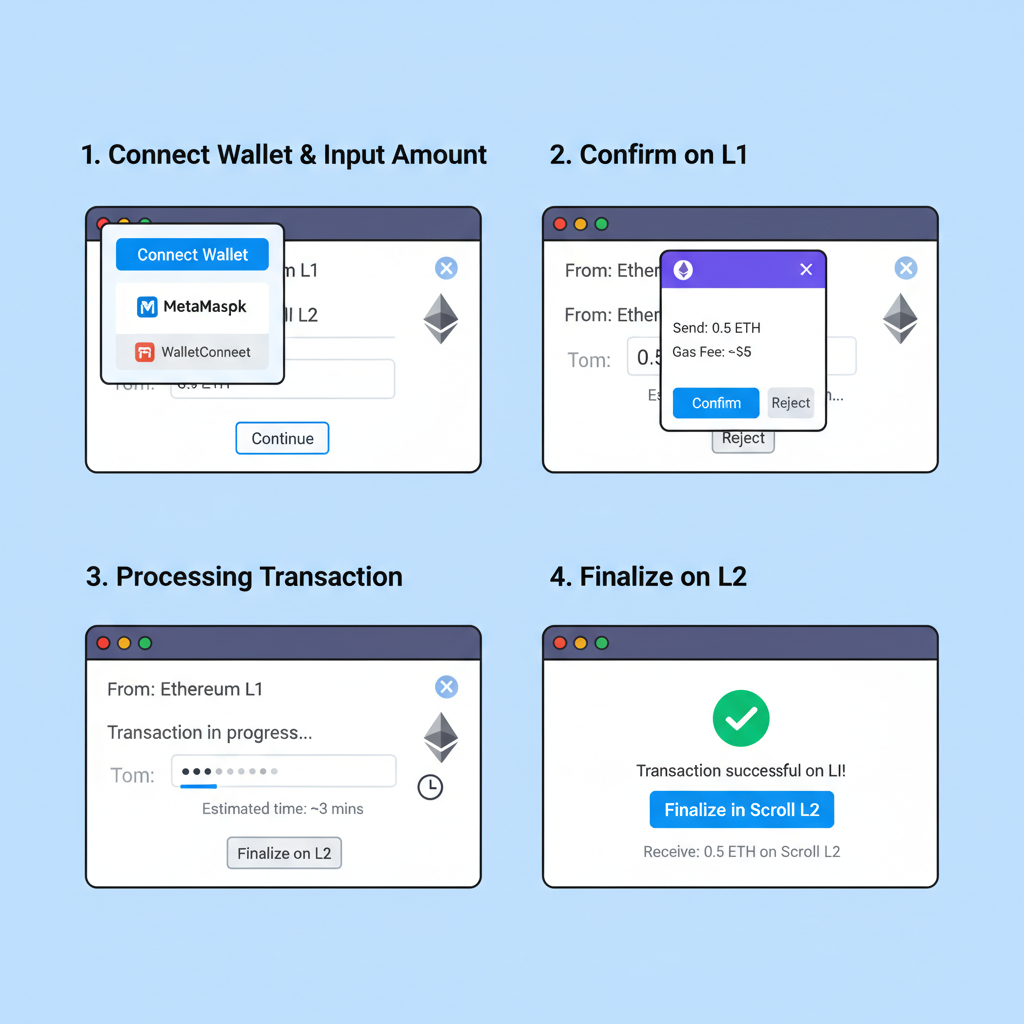
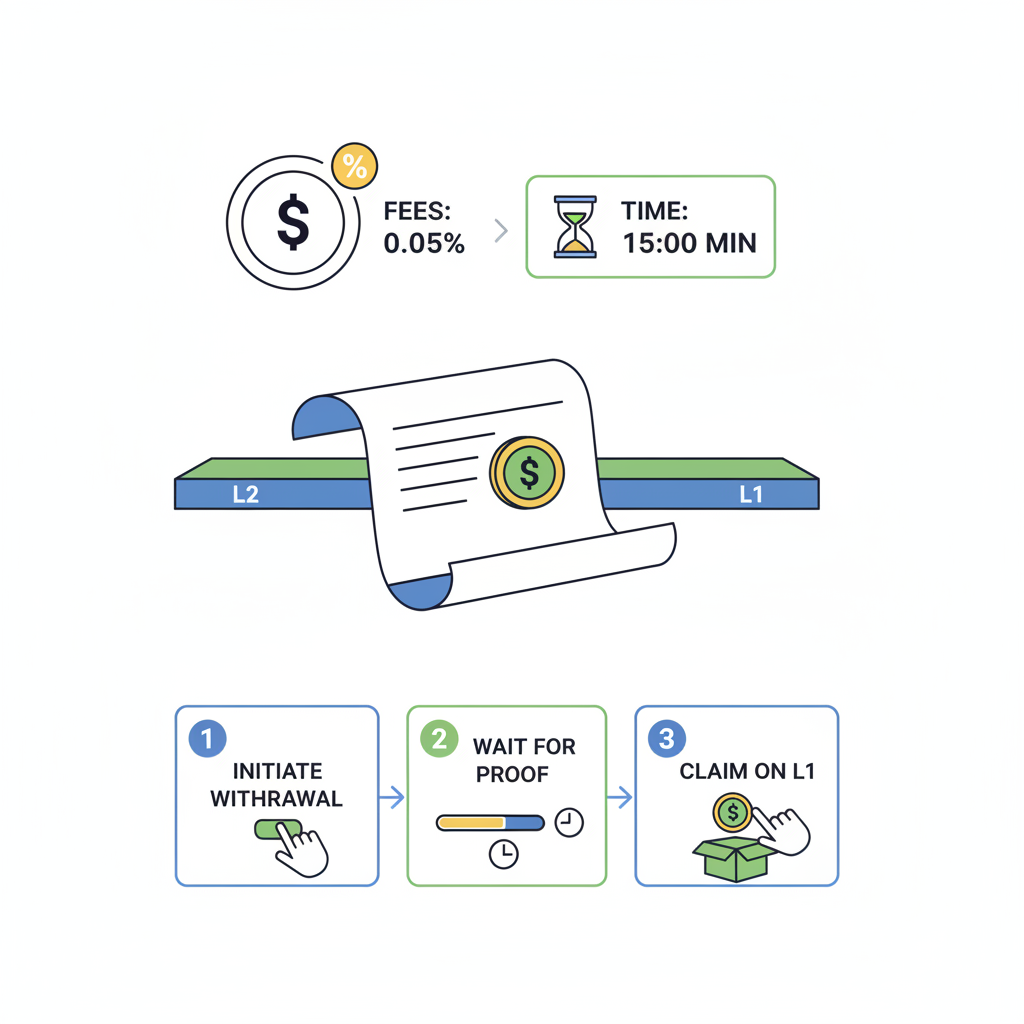
The Scroll Bridge is your gateway between L1 Ethereum and L2, leveraging zero-knowledge proofs for efficiency. Yet, L2 bridge fixes dominate support tickets. For deposits: approve the L1CustomGateway contract via your wallet, then invoke depositERC20. Skip approval, and you'll burn gas on reverts. Transaction times vary - 10-30 minutes under normal load, thanks to ZK batching versus Optimistic Rollups' challenge windows.
Withdrawals trip more users. Call withdrawERC20 on L2CustomGateway, but pack 0.005 ETH minimum for L1 proof finality fees. Ethereum's current $2,231.55 price amplifies this; a miscalculation strands assets in limbo for 7 days during the dispute period. Monitor via dual explorers: Etherscan for L1 relays, Scrollscan for L2 initiations. Pro tip: batch withdrawals to economize, as single-token pulls inflate costs disproportionately.
- Verify L1 approval status on Etherscan.
- Initiate bridge with exact token amounts; decimals matter.
- Await Merkle proof finalization - use bridge UI status checker.
- For delays, query relayer health on Scroll's status page.
Standardization curbs these errors. Unlike ad-hoc employee onboarding pitfalls like manager disengagement, crypto demands scripted flows. Scroll's wizards help, but manual overrides persist as pitfalls.
In risk management, predictability trumps speed; audit your bridge tx hash religiously before celebrating success.
Leveraging Tools and Community Insights for Seamless Fixes
Beyond basics, integrate multi-chain wallets like Zerion for Scroll oversight. Track DeFi yields, NFTs, and bridges in one dashboard, sidestepping siloed views that breed Scroll L2 troubleshooting oversights. Community polls reveal 65% of issues stem from fee misjudgments - echo this by simulating txs on tenderly. co first.
Smart wallets evolve onboarding; Scroll's Keystore integration promises programmable recoveries, ditching seed phrase roulette. Until ubiquitous, stick to battle-tested EOA flows with gas buffers. Ethereum's volatility at $2,231.55 underscores funding L1 adequately - never bridge on fumes.


No comments yet. Be the first to share your thoughts!