
How crypto onboarding tools work
Crypto onboarding is a layered process that guides someone through identity checks, wallet setup, payment access, and education. It converts a visitor into a verified user by bridging the gap between traditional finance and blockchain networks. Without this structured approach, the complexity of self-custody and regulatory compliance would remain insurmountable for the average person.
The first layer involves identity verification. Reputable tools integrate with KYC (Know Your Customer) providers to validate user credentials against government databases. This step is non-negotiable for compliance with anti-money laundering (AML) regulations. Tools like Privy handle this by abstracting the friction, allowing users to complete verification without leaving the application interface.
Once verified, the tool manages wallet creation. Modern onboarding solutions often use smart contract wallets or account abstraction protocols. These wallets can recover accounts via email or social login, removing the need for users to memorize seed phrases. This significantly reduces the risk of permanent asset loss due to user error.
Finally, the tool facilitates funding. This involves connecting fiat payment methods, such as credit cards or bank transfers, to purchase cryptocurrency directly. The onboarding flow ensures that the purchased assets are immediately available in the user’s new wallet, completing the transition from off-chain identity to on-chain actor.
Best overall crypto onboarding platform
Privy stands as the leading all-in-one solution for developers building in Web3. It balances enterprise-grade security with a frictionless user experience, handling the complex layers of identity checks, wallet setup, and payment access. For products aiming for mass adoption, Privy’s infrastructure reduces the technical debt associated with managing cryptographic keys and compliance protocols directly.
The platform supports a wide range of authentication methods, including social logins and passkeys, which significantly lowers the barrier to entry for non-crypto-native users. By abstracting the underlying blockchain interactions, Privy allows developers to focus on product features rather than security vulnerabilities. This approach is critical in a high-stakes environment where a single breach can compromise user funds and trust.
Security remains the cornerstone of the Privy offering. The platform integrates robust AML (Anti-Money Laundering) checks and client checklists to ensure that onboarding processes meet regulatory standards. This compliance-first architecture helps projects avoid the legal pitfalls that often accompany decentralized finance operations, providing a safer entry point for both developers and end-users.
The following comparison highlights how Privy stacks up against other major onboarding providers in terms of custody models, social login support, and compliance levels.
| Feature | Privy | Web3Modal | RainbowKit |
|---|---|---|---|
| Social Login | Yes | No | No |
| Custody Model | Non-custodial | Non-custodial | Non-custodial |
| AML Integration | Native | Manual | Manual |
| Compliance Level | High | Medium | Low |
Identity verification tools
The identity verification layer is the gatekeeper for compliant crypto onboarding. Users must prove who they are before accessing exchanges or wallets. This KYC/AML process involves document verification and risk assessment. It is the most friction-heavy part of the user journey.
Plaid provides a single integration for developers to build secure crypto onramps. It handles bank account verification and identity checks. The platform is designed to onboard users safely while maintaining compliance. It reduces the technical burden of integrating multiple verification providers. Plaid's crypto use case page outlines these capabilities.
Advanced systems use AI to verify over 14,000 document types globally. This includes passports, driver's licenses, and national ID cards. The technology checks for forgery and matches biometric data. It speeds up the process significantly compared to manual review. However, users should expect delays if their documents are unclear.
Legacy KYC tools often cause long wait times. Modern tools prioritize speed without sacrificing security. The goal is to balance regulatory requirements with user experience. Choose tools that support the specific document types your target audience uses.

As an Amazon Associate, we may earn from qualifying purchases.
Fiat on-ramps
The first real hurdle for most users is moving traditional money into the crypto ecosystem. Fiat on-ramps solve this by acting as the bridge between bank accounts and digital assets. Without a reliable on-ramp, the rest of the onboarding process stalls. These services handle the complex identity verification and compliance checks required by regulators, allowing users to buy Bitcoin, Ethereum, or stablecoins directly with a credit card or bank transfer.
When choosing an on-ramp, security and regulatory compliance are non-negotiable. Reputable providers like MoonPay, Ramp, and Stripe integrate directly into wallets and exchanges, ensuring that the transaction is traceable and safe. According to Stripe, the onboarding process is layered, guiding users through identity checks and payment access to ensure a secure entry. Look for providers that are registered with FinCEN in the US or hold licenses in the EU, as these entities are subject to stricter oversight.
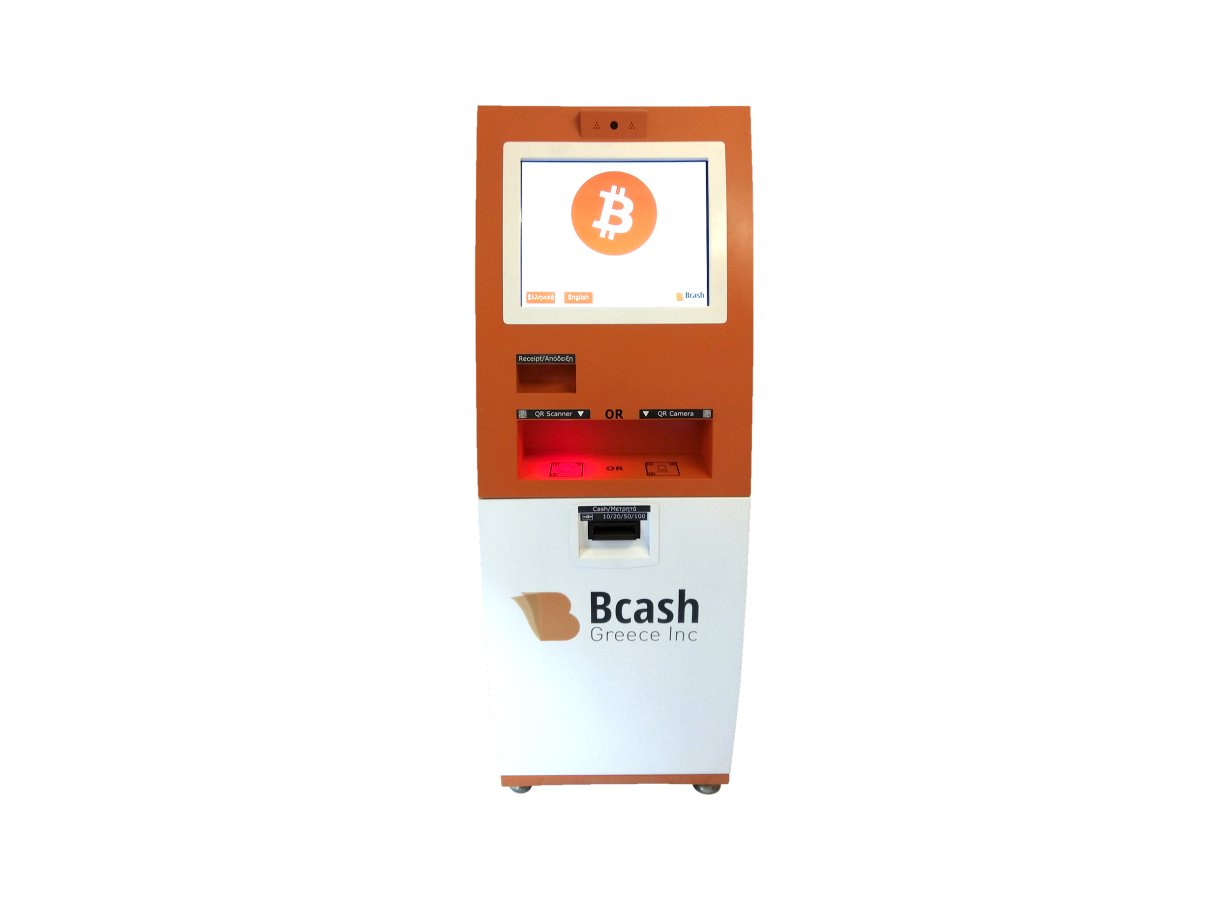
For users who prefer physical transactions, Bitcoin ATMs offer an alternative to digital transfers. These machines allow cash deposits in exchange for crypto sent to a wallet address. They are particularly useful for those without bank accounts or those who prioritize immediate, offline acquisition. The following image shows the Omega II, a two-way ATM that supports KYC integration, illustrating the hardware involved in physical on-ramping.
Key features to evaluate
Selecting the right crypto onboarding tool requires balancing regulatory safety with user retention. A single compliance failure can freeze assets or trigger regulatory fines, while excessive friction causes drop-offs before the first transaction. Use this checklist to audit potential platforms against industry standards.

The foundation of any onboarding tool is its ability to handle Anti-Money Laundering (AML) and Know Your Customer (KYC) checks. Platforms like Scorechain provide the necessary infrastructure to verify crypto wealth and detect risks before funds enter the system. Ensure the provider has clear partnerships with recognized identity verification services and maintains up-to-date sanctions screening.

Friction is the primary killer of conversion. Evaluate how many steps are required to go from sign-up to first purchase. The best tools offer "lite" onboarding for small transactions, requiring only an email or phone number, while reserving full identity verification for higher limits. Look for intuitive interfaces that guide users through complex wallet setup without technical jargon.
New users frequently encounter wallet errors or payment declines. A robust onboarding tool must include accessible customer support and embedded educational resources. Check if the platform offers 24/7 live chat for transaction issues and provides clear FAQs that explain blockchain concepts in plain language. This reduces support ticket volume and builds user confidence.
No comments yet. Be the first to share your thoughts!