
Why 2026 Changes Crypto Onboarding
The regulatory environment for digital assets has shifted from a phase of experimentation to one of strict enforcement. With the full implementation of the Markets in Crypto-Assets (MiCA) regulation in the European Union and updated guidance from the Financial Action Task Force (FATF), the margin for error in identity verification has vanished. Platforms that relied on fragmented, manual checks are now facing significant compliance risks and potential operational shutdowns.
Legacy KYC flows, often characterized by clunky interfaces and high drop-off rates, are no longer viable. Modern Web3 users expect frictionless experiences that do not compromise security. Stripe’s crypto onboarding best practices emphasize that trust is built through smooth, transparent verification processes rather than bureaucratic hurdles. When users encounter complex identity uploads or delayed approvals, they abandon the platform, taking their capital with them.
The shift from reactive compliance to proactive, automated identity verification is no longer just a technical upgrade; it is a competitive advantage. Platforms that integrate robust tools like Sumsub or Jumio can satisfy regulatory demands while maintaining user engagement.
This article evaluates the top tools designed to bridge this gap. We focus on solutions that offer real-time identity verification, transaction monitoring, and seamless API integration, ensuring your platform remains compliant without sacrificing the user experience. The following sections break down the specific features and capabilities of the leading providers in this space.
10 2026 Compliance Shift: Top 10 Crypto Onboarding Tools for Seamless KYC/AML Integration
As 2026 regulatory deadlines tighten, the cost of non-compliance has shifted from operational friction to existential risk for crypto exchanges. This roundup identifies ten essential onboarding tools, including Sumsub and Chainalysis, that streamline KYC/AML integration while meeting strict standards set by Stripe and global regulatory bodies.
1. Sumsub: Best overall crypto-native compliance
Sumsub stands as the definitive choice for crypto platforms navigating the 2026 compliance shift. Its all-in-one suite handles KYC, AML, and fraud prevention with precision, ensuring seamless onboarding without sacrificing security. By integrating robust identity verification directly into the user journey, Sumsub minimizes drop-off rates while maintaining strict adherence to global regulatory standards.

2. Jumio: Enterprise-grade identity verification
Jumio delivers enterprise-grade identity verification, leveraging AI-powered document authentication and facial biometrics to combat sophisticated fraud. Recognized as a leader in the Gartner Magic Quadrant, Jumio ensures that high-volume crypto exchanges can verify users rapidly and accurately. Its robust infrastructure supports complex regulatory requirements, making it an essential tool for institutions prioritizing security and scalability in the evolving digital asset landscape.
3. Persona: Customizable compliance workflows
Persona offers highly customizable compliance workflows, allowing crypto businesses to tailor verification processes to specific jurisdictional needs. This flexibility ensures that platforms can adapt quickly to changing regulatory landscapes without overhauling their entire tech stack. By providing granular control over risk scoring and user journeys, Persona helps companies balance security with user experience, reducing friction while maintaining rigorous AML standards.
4. Onfido: Developer-first API integration
Onfido prioritizes developer experience with a clean, intuitive API designed for seamless integration into crypto onboarding flows. Its developer-first approach minimizes implementation time, allowing teams to deploy robust identity verification quickly. With comprehensive documentation and flexible SDKs, Onfido empowers engineering teams to build secure, compliant user experiences without getting bogged down in complex technical hurdles, ensuring faster time-to-market for new features.
5. Chainalysis: AML transaction monitoring
Chainalysis provides industry-leading AML transaction monitoring, enabling crypto platforms to track funds and identify suspicious activities in real-time. Its comprehensive blockchain analytics help businesses comply with evolving regulations by offering deep insights into transaction patterns and risk scores. By integrating Chainalysis, crypto exchanges can proactively mitigate financial crime risks, ensuring they meet regulatory deadlines and maintain trust with partners and regulators alike.

6. Elliptic: Institutional-grade risk assessment
Elliptic provides institutional-grade risk assessment, essential for navigating the 2026 compliance shift. Its blockchain analytics platform flags high-risk transactions before they hit your ledger, ensuring adherence to strict AML regulations. This proactive monitoring protects your platform from regulatory penalties and reputational damage in an increasingly scrutinized market.
7. Notabene: Stablecoin compliance automation
Notabene automates stablecoin compliance, addressing the unique challenges of regulated digital assets. By integrating directly with stablecoin issuers, it verifies wallet ownership and ensures funds originate from compliant sources. This seamless integration reduces manual review burdens while maintaining strict adherence to evolving financial regulations for digital currency transactions.

8. PayBito: White-label exchange infrastructure
PayBito offers white-label exchange infrastructure, allowing platforms to launch compliant trading environments quickly. Its robust backend handles KYC/AML processes seamlessly, ensuring regulatory adherence without extensive development overhead. This solution empowers businesses to focus on user experience while relying on secure, compliant trading infrastructure that meets 2026 standards.

9. Shift Markets: Rapid deployment solutions
Shift Markets delivers rapid deployment solutions for crypto onboarding, minimizing time-to-market for compliance-heavy features. Its modular architecture allows for quick integration of identity verification and transaction monitoring tools. This speed ensures platforms can adapt to regulatory changes swiftly, maintaining operational continuity and compliance during critical transition periods in the 2026 landscape.
10. ChangeNOW: Non-custodial onboarding
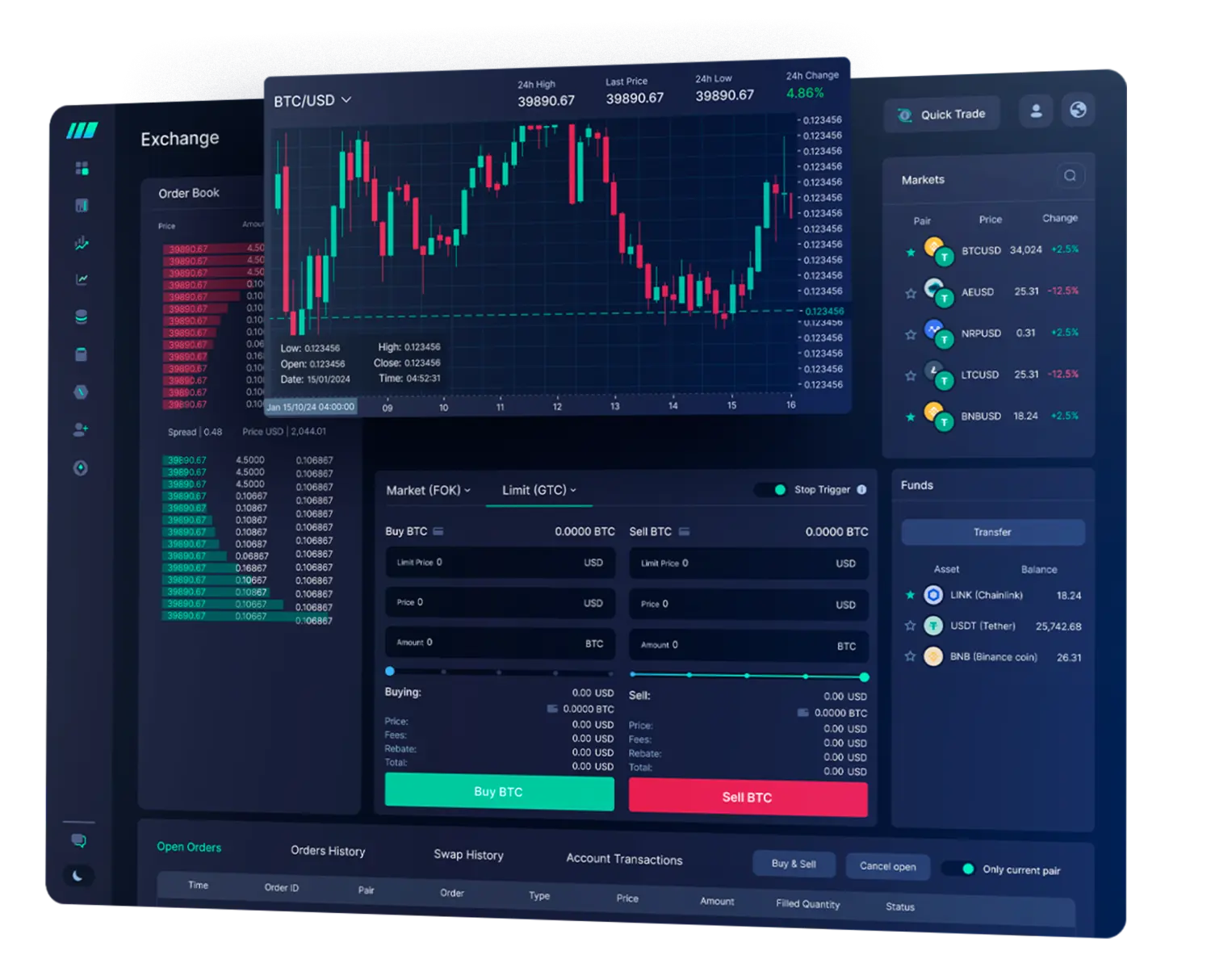
ChangeNOW specializes in non-custodial onboarding, enhancing user privacy while maintaining necessary compliance checks. By avoiding direct custody of funds, it reduces regulatory exposure and security risks. This approach appeals to users prioritizing self-custody, offering a compliant pathway to enter the crypto market without compromising on security or regulatory standards for 2026.
Top 10 Crypto Onboarding Tools Compared
The 2026 regulatory landscape demands precision. Choosing the wrong KYC/AML provider risks heavy fines and operational paralysis. This comparison evaluates the top 10 tools based on integration ease, compliance scope, and target audience.
| Tool | Primary Strength | Integration Type | Target Audience |
|---|---|---|---|
| Sumsub | KYC Verification | API & White-label | High-volume exchanges |
| Chainalysis | AML Monitoring | API | Institutions & Banks |
| Jumio | Identity Verification | API | Global platforms |
| Notabene | Travel Rule Compliance | API & SaaS | Stablecoin issuers |
| Elliptic | Transaction Monitoring | API | Large exchanges |
| Smile ID | Biometric KYC | API | Emerging markets |
| Onfido | Identity Verification | API | Fintechs & Neobanks |
| Veriff | Fast KYC | API | High-growth startups |
| Trulioo | Global Identity Data | API | Enterprise platforms |
| Sumsub | Custom Workflows | API & White-label | Custom compliance needs |


As an Amazon Associate, we may earn from qualifying purchases.
Frequently asked: what to check next
What is the best crypto platform for 2026?
The optimal choice depends on your specific compliance and trading needs. Kraken leads as the best overall platform due to its robust security and transparent audit history. For beginners, Coinbase offers the most intuitive interface with built-in compliance safeguards. If staking is a priority, Uphold provides diverse asset options, while Robinhood remains a viable choice for traditional brokers entering the crypto space.
What is Trump's new crypto platform?
World Liberty Financial (WLFI) is a decentralized finance protocol launched in 2024. Founded by Zachary Folkman, Chase Herro, Alex Witkoff, and Trump family members, it aims to integrate traditional finance with blockchain technology. Users should exercise extreme caution, as regulatory scrutiny of politically affiliated financial products remains high in 2026.
How do KYC/AML tools impact user onboarding?
Modern KYC/AML tools like Sumsub and Jumio streamline identity verification without compromising security. These platforms use AI to detect fraud in real-time, reducing false positives that frustrate legitimate users. For exchanges, integrating these tools is no longer optional; it is a regulatory requirement to operate legally in most jurisdictions.
What are the compliance risks of ignoring KYC?
Exchanges that fail to implement proper KYC/AML measures face severe penalties, including fines and license revocations. Regulatory bodies like the FinCEN and FATF are increasing enforcement actions against non-compliant platforms. In 2026, the cost of non-compliance far outweighs the investment in robust onboarding infrastructure.
No comments yet. Be the first to share your thoughts!