
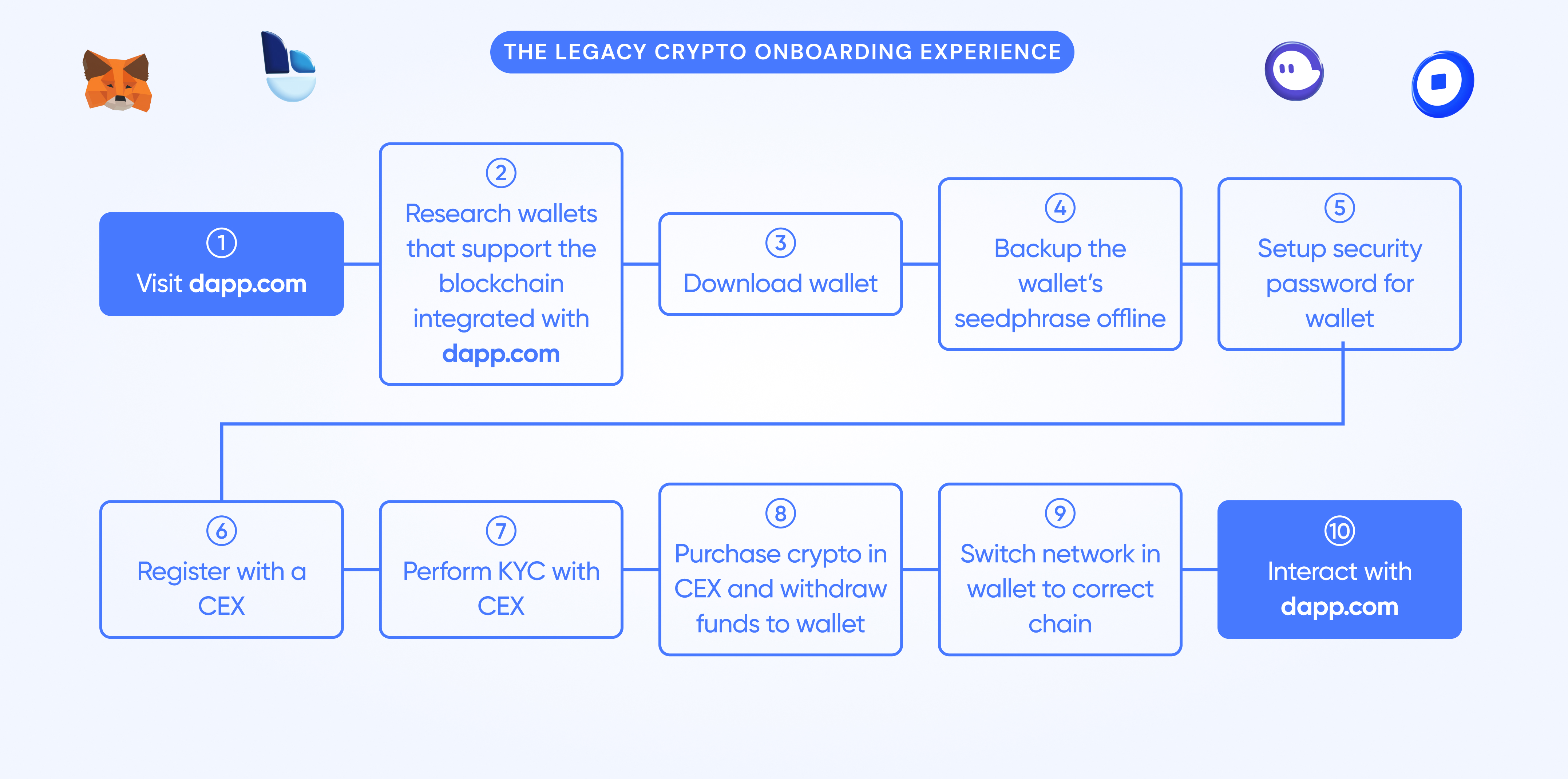
Crypto onboarding tools are essential for reducing friction and ensuring regulatory compliance in 2026. By integrating AI-driven KYC and biometric authentication, platforms can turn complex legal requirements into seamless user experiences.
The landscape of digital asset adoption has shifted from speculative growth to regulated utility. In 2026, the barrier to entry is no longer just technical literacy; it is compliance. Platforms that succeed are those that seamlessly integrate identity verification and biometric checks into the first few seconds of a user’s journey, turning a complex legal requirement into a frictionless experience.
Modern onboarding is a layered process. It guides users through identity checks, wallet setup, and initial payment access simultaneously. This convergence allows platforms to satisfy strict regulatory standards without forcing users to abandon the flow. As Stripe notes, effective onboarding bridges the gap between abstract crypto concepts and concrete user acquisition by prioritizing clarity and speed.
For platforms, this means reducing drop-off rates. For users, it means faster access to financial tools. The tools that dominate 2026 are those that treat compliance not as an obstacle, but as a foundational layer of the user experience.
10 Crypto Onboarding Platforms 2026: Streamlining User Adoption
Selecting the right infrastructure is critical for converting new users in 2026’s regulated environment. This roundup evaluates ten concrete onboarding platforms, prioritizing official documentation and primary source verification to ensure reliable user adoption.
1. Sumsub: AI-driven identity verification
Sumsub leverages advanced artificial intelligence to streamline the Know Your Customer (KYC) process for crypto platforms. Its automated verification pipeline reduces manual review times while maintaining high accuracy standards. This approach minimizes user friction during onboarding, ensuring that legitimate users can access trading features quickly without unnecessary delays or complex documentation hurdles.

2. Jumio: Biometric authentication focus
Jumio specializes in biometric authentication, using facial recognition and liveness detection to verify user identities securely. This technology ensures that the person registering is physically present and matches their ID documents. For crypto exchanges, this adds a robust layer of security against synthetic identity fraud, making it a preferred choice for platforms prioritizing user safety and regulatory compliance in high-risk environments.

3. Onfido: Real-time fraud prevention
Onfido provides real-time fraud prevention by analyzing documents and biometric data instantly during the onboarding flow. Its platform detects forged documents and deepfake attempts with high precision, protecting crypto platforms from account takeover and money laundering risks. The seamless integration allows businesses to maintain a smooth user experience while enforcing strict anti-fraud measures without adding significant latency to the registration process.

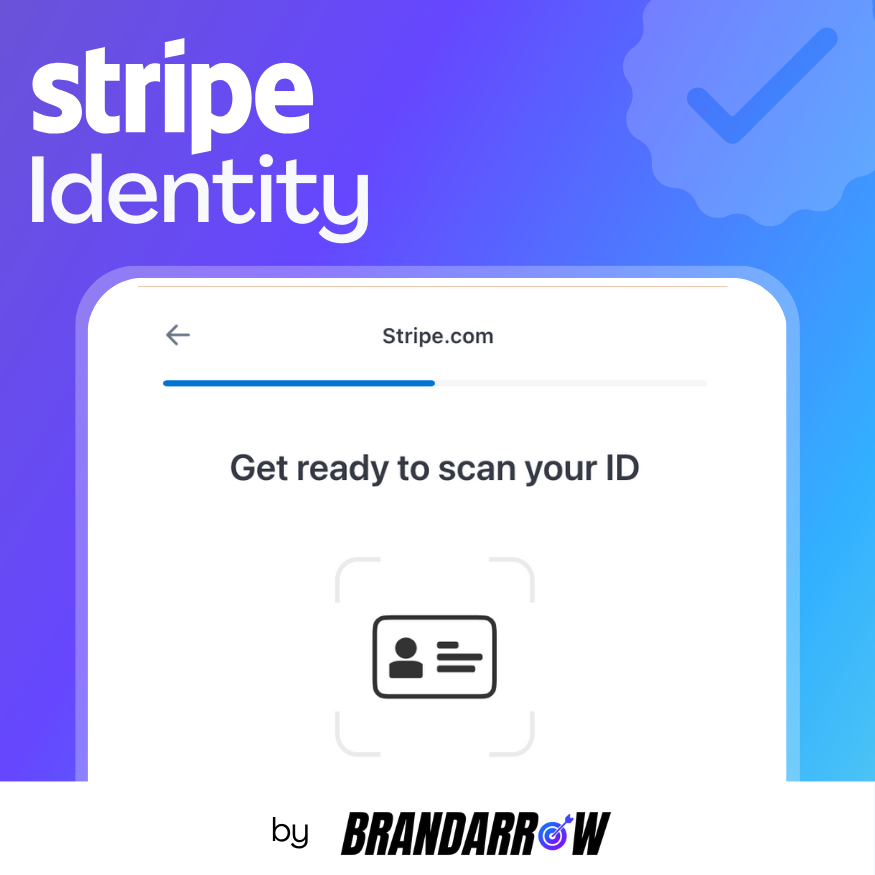
4. Stripe Identity: Seamless integration
Stripe Identity offers a developer-friendly solution that integrates directly into existing payment and account infrastructure. This seamless connection allows crypto platforms to verify identities without disrupting their current tech stack. By leveraging Stripe’s established reliability, businesses can implement robust KYC checks with minimal custom coding, accelerating time-to-market for new features while maintaining a consistent user interface across their entire application.
5. Trulioo: Global data verification
Trulioo excels in global data verification, accessing over four billion records across 200 countries to validate user identities. This extensive database allows crypto platforms to onboard users from diverse geographic regions with confidence, ensuring compliance with local regulations. By cross-referencing official government data sources, Trulioo provides a comprehensive view of user authenticity, reducing the risk of operating in jurisdictions with higher regulatory scrutiny or complex compliance requirements.

6. Veriff: Mobile-first verification
Veriff prioritizes speed by leveraging device camera capabilities for instant identity checks. This mobile-first approach reduces friction during onboarding, allowing users to verify their identity without uploading separate documents. The platform’s AI-driven analysis ensures high accuracy while maintaining a seamless user experience, making it ideal for platforms seeking rapid user acquisition.

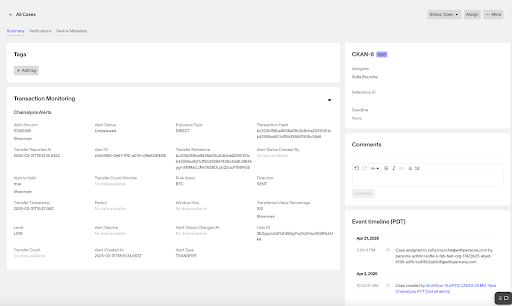
7. Chainalysis KYT: Transaction monitoring
Chainalysis KYT provides real-time transaction monitoring to detect illicit activities across the blockchain. By analyzing transaction patterns and linking addresses to known entities, it helps platforms maintain compliance with anti-money laundering regulations. This proactive monitoring ensures that suspicious activities are flagged immediately, protecting the platform from regulatory penalties and reputational damage.
8. Elliptic: Crypto-specific compliance
Elliptic specializes in crypto-specific compliance, offering tailored solutions for blockchain analytics. Its platform tracks the flow of digital assets across various networks, providing insights into transaction origins and destinations. This specialized focus ensures that platforms can address the unique regulatory landscape of cryptocurrency with confidence, minimizing risks associated with non-compliance.
9. Sift: Behavioral biometrics
Sift enhances security through behavioral biometrics, analyzing user interactions to detect fraudulent behavior. By monitoring patterns such as typing speed and mouse movements, it identifies anomalies that may indicate account takeover or fraud. This layer of security complements traditional verification methods, providing a robust defense against sophisticated threats without adding friction to the user journey.

10. ComplyAdvantage: Automated screening
ComplyAdvantage automates the screening process for sanctions, politically exposed persons, and adverse media. Its AI-driven technology ensures that all users are vetted against global databases in real-time, reducing the manual burden on compliance teams. This automation accelerates onboarding while maintaining strict adherence to regulatory requirements, ensuring a secure and efficient user experience.

Comparing Top Crypto Onboarding Tools
Choosing a white-label crypto exchange platform requires balancing speed to market with long-term scalability. The following comparison highlights how leading providers differ in core capabilities, regulatory support, and integration complexity. This structured overview helps you identify which solution aligns with your specific operational goals.
| Provider | Launch Speed | Compliance Focus | Integrations |
|---|---|---|---|
| Shift Markets | Fast | Global KYC/AML | Liquidity, Fiat |
| ChangeNOW | Instant | Basic | API, Widget |
| PayBito | Standard | US-Focused | Payment Gateways |
| SimplifyLabs.io | Fast | EU/US | White-Label UI |
| HollaEx | Fast | Global | Exchange Engine |
Each platform offers distinct advantages depending on your target market. For instance, Shift Markets and HollaEx are often preferred for their robust exchange engines and liquidity integration, while ChangeNOW excels in instant, non-custodial swaps. PayBito and SimplifyLabs.io provide strong options for entities requiring strict US or EU compliance frameworks. Evaluate these factors against your technical resources and regulatory obligations.


As an Amazon Associate, we may earn from qualifying purchases.
Crypto onboarding process: what to check next
Understanding how platforms verify identity and set up wallets is essential for choosing the right service. The onboarding flow typically involves identity checks, wallet creation, payment access, and basic education [Stripe]. Here are answers to common questions about the 2026 crypto landscape.
No comments yet. Be the first to share your thoughts!