
10 Crypto Onboarding Tools for 2026
As regulatory frameworks tighten in 2026, selecting the right onboarding infrastructure is no longer optional—it is a compliance imperative. This roundup evaluates ten concrete tools that streamline KYC/AML workflows while maintaining institutional-grade security standards.
1. Stripe Identity for fiat flows
Stripe Identity streamlines the transition from traditional banking to digital assets by verifying user documents against global databases. This integration reduces friction for high-volume fiat-to-crypto exchanges, ensuring compliance with anti-money laundering regulations while maintaining a seamless user experience for legitimate traders entering the market.
2. Sumsub for global KYC coverage
Sumsub offers a comprehensive identity verification suite designed for platforms operating across multiple jurisdictions. Its automated workflow handles complex document checks and liveness detection, making it ideal for crypto exchanges needing robust Know Your Customer protocols that adapt to varying regional regulatory requirements without manual intervention.

3. Onfido for real-time checks
Onfido provides instant identity verification through advanced facial recognition and document analysis. For crypto platforms, this speed is critical, allowing users to complete onboarding in seconds rather than days. The system’s ability to detect deepfakes and spoofing attempts ensures that only verified individuals access trading features, reducing fraud risk.

4. Jumio for biometric auth
Jumio specializes in biometric authentication, combining facial matching with ID scanning to verify user identity. This approach is particularly effective for high-security crypto environments where traditional passwords are insufficient. By leveraging machine learning, Jumio continuously improves its accuracy, providing a secure layer of protection against identity theft and unauthorized access.

5. Coinbase Wallet for non-custodial entry
Coinbase Wallet offers a self-custody solution that gives users full control over their private keys. This tool is essential for newcomers who want to enter the crypto space without relying on centralized exchanges. It provides a user-friendly interface for managing assets securely, bridging the gap between traditional finance and decentralized applications.

6. Plaid for bank account linking
Plaid acts as the digital bridge between traditional banking and crypto wallets, enabling seamless fiat-to-crypto transfers. Its robust API infrastructure ensures real-time verification of user accounts, reducing fraud while accelerating the initial funding process. For platforms prioritizing regulatory compliance and user trust, Plaid provides the essential connectivity layer that makes onboarding feel as simple as a standard bank transfer.

7. Privy for invisible onboarding
Privy redefines entry by replacing complex forms with email magic links and wallet connect options, creating a frictionless first experience. It supports social logins and guest checkouts, allowing users to explore features before committing to identity verification. This invisible onboarding strategy significantly reduces drop-off rates by meeting users where they are, rather than forcing immediate KYC hurdles.
8. Shift Markets white-label solutions
Shift Markets offers comprehensive white-label infrastructure, allowing fintechs to launch branded crypto exchanges without building core technology from scratch. Their solution includes liquidity aggregation, trading engines, and compliance modules, accelerating time-to-market for new platforms. By leveraging pre-vetted institutional-grade components, companies can focus on user acquisition while ensuring robust security and operational stability.

9. ChangeNOW for instant swaps
ChangeNOW enables instant, non-custodial cryptocurrency swaps directly within the onboarding flow, eliminating the need for users to hold base currencies initially. Its simple interface supports over 100 assets, allowing immediate conversion of fiat-funded tokens into preferred cryptocurrencies. This speed and simplicity reduce abandonment during the critical first transaction, providing a smooth entry point for novice traders.
10. HollaEx for exchange infrastructure
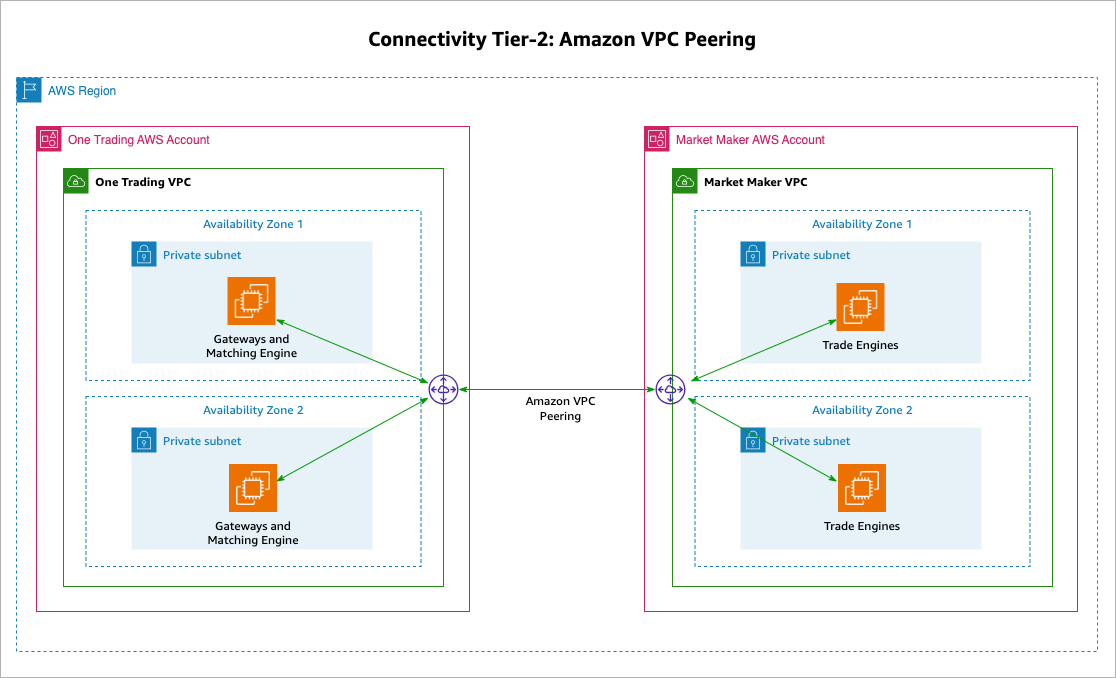
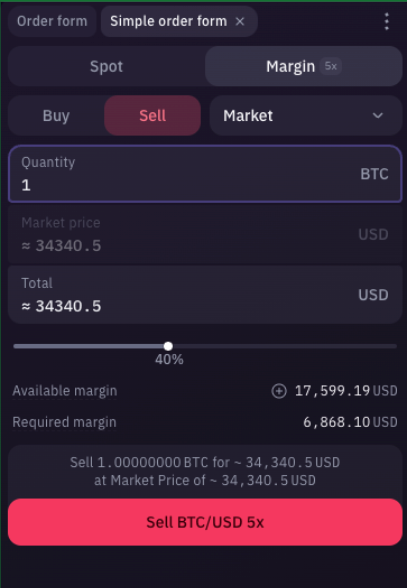
HollaEx provides an open-source core banking and exchange infrastructure, enabling developers to build customizable crypto platforms with minimal overhead. Its modular design supports spot trading, margin trading, and staking, while offering robust API access for third-party integrations. This flexibility allows teams to tailor the onboarding experience to specific regulatory requirements and user demographics effectively.

Streamlining web3 entry points
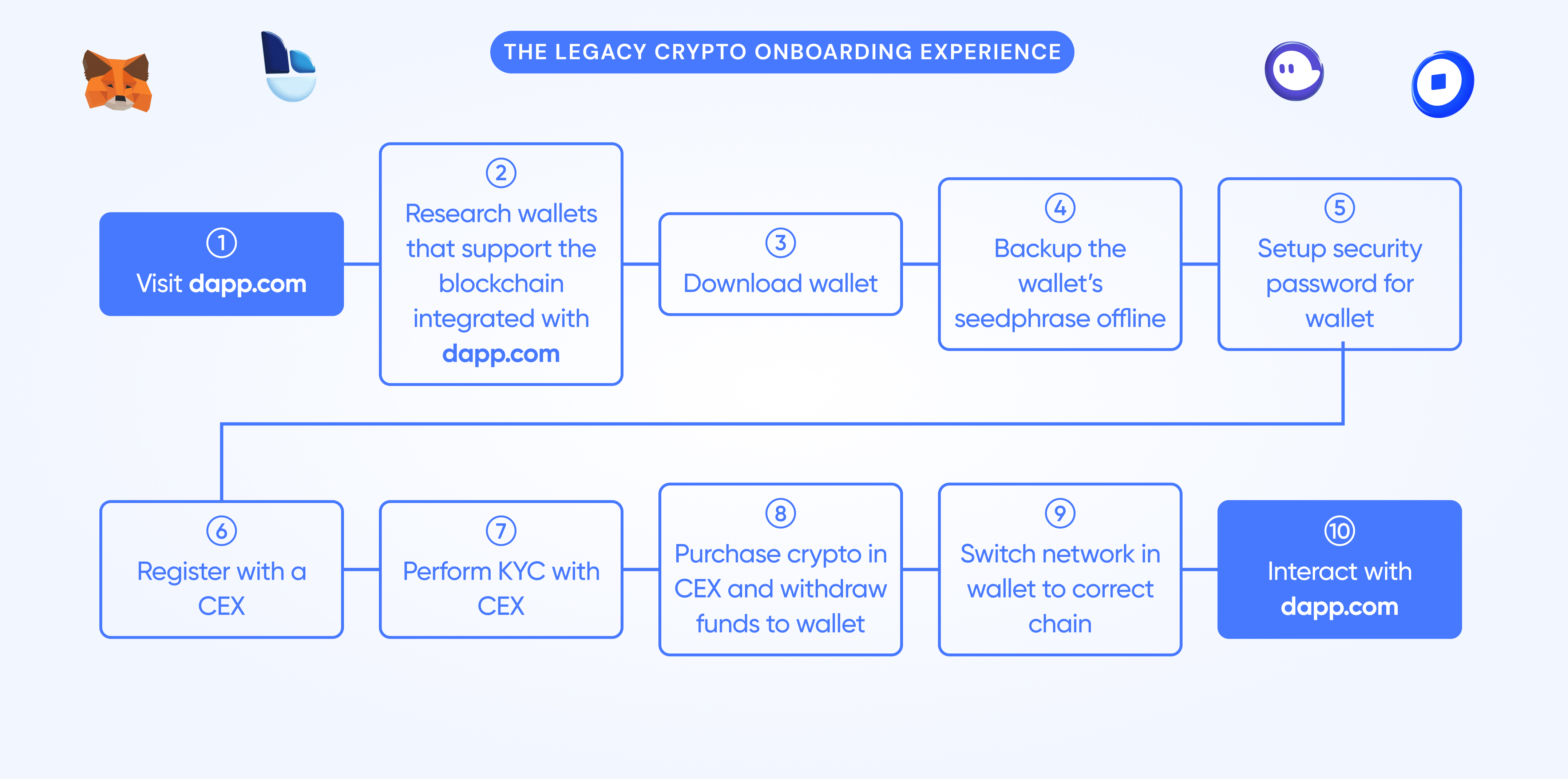
Crypto onboarding is no longer just about generating a wallet address; it is a layered process that guides users through identity verification, wallet setup, and payment access. By 2026, the industry has shifted away from the high-friction, high-risk model of managing complex seed phrases. Instead, the focus is on invisible compliance and biometric authentication, making the transition from traditional finance to Web3 feel as natural as signing into an email account.
Legacy onboarding required users to memorize twelve random words—a practice that remains a primary vector for permanent asset loss. Modern tools prioritize "invisible" verification, using advanced identity checks that happen in the background. This approach reduces friction while maintaining the security standards required by high-stakes financial regulations. Platforms like Privy now lead this charge by eliminating the most obvious barriers to entry, allowing users to focus on utility rather than security mechanics.
The goal of these new entry points is to make security invisible. When identity checks and wallet creation happen seamlessly, users are less likely to make costly errors or fall victim to social engineering. This shift is critical for mass adoption, as it removes the technical intimidation factor that has historically kept mainstream investors on the sidelines.
As we examine the tools defining this landscape, the distinction between a simple exchange and a true Web3 onboarding platform becomes clear. The best tools today do not just facilitate a trade; they provide a secure, compliant, and user-friendly gateway into the decentralized economy.
Comparing onboarding features
Selecting the right infrastructure requires aligning KYC compliance, regional availability, and integration methods. The table below outlines the core capabilities of the leading white-label and standalone onboarding providers for 2026.
| Provider | KYC Type | Supported Regions | Integration Type |
|---|---|---|---|
| Shift Markets | Biometric & ID | Global | White-label SDK |
| ChangeNOW | Standard ID | 150+ | API |
| PayBito | Enhanced Due Diligence | EU & APAC | Embedded Finance API |
| SimplifyLabs.io | AI-driven Verification | North America | Headless Checkout |
| HollaEx | Standard ID | Global | White-label Exchange |
KYC verification depth varies significantly. Providers like Shift Markets and PayBito focus on heavy compliance for regulated markets, while ChangeNOW offers lighter friction for broader accessibility. Integration type is equally critical; SDKs offer deeper UI customization, whereas APIs allow for faster deployment within existing financial platforms.


As an Amazon Associate, we may earn from qualifying purchases.
When building a compliant onboarding flow, consider how these tools integrate with your existing security stack. The right choice depends on whether your priority is regulatory rigor or user conversion speed.
No comments yet. Be the first to share your thoughts!