

10 Crypto Onboarding Tools for 2026: KYC and Web3 Adoption
This section evaluates ten distinct crypto onboarding tools designed to facilitate KYC compliance and Web3 adoption in 2026. The selection prioritizes verified product features and regulatory alignment, ensuring each recommendation addresses specific user needs ranging from fiat gateways to non-custodial solutions.
1. Stripe Identity for fiat-to-crypto flows
Stripe Identity streamlines fiat-to-crypto onboarding by integrating document verification and ID scanning directly into payment flows. This solution ensures regulatory compliance while reducing friction for new users. The platform offers robust fraud detection mechanisms tailored for financial services, making it a reliable choice for exchanges seeking to balance security with a seamless user experience during the initial deposit phase.
2. Sumsub for global KYC coverage
Sumsub provides comprehensive KYC capabilities designed for global reach, supporting over 220 countries and regions. Its platform automates identity verification through AI-driven checks, ensuring adherence to diverse international regulatory standards. By consolidating multiple verification steps into a single workflow, Sumsub helps platforms maintain compliance while minimizing drop-off rates among users from varied geographic backgrounds.

3. Onfido for real-time identity checks
Onfido delivers real-time identity verification through its advanced SDK, enabling seamless integration into brokerage and trading applications. The service utilizes computer vision to validate government-issued IDs and perform facial matching, ensuring that users are who they claim to be. This immediate feedback loop is critical for maintaining security standards in high-frequency trading environments where speed and accuracy are paramount.
4. Jumio for biometric authentication
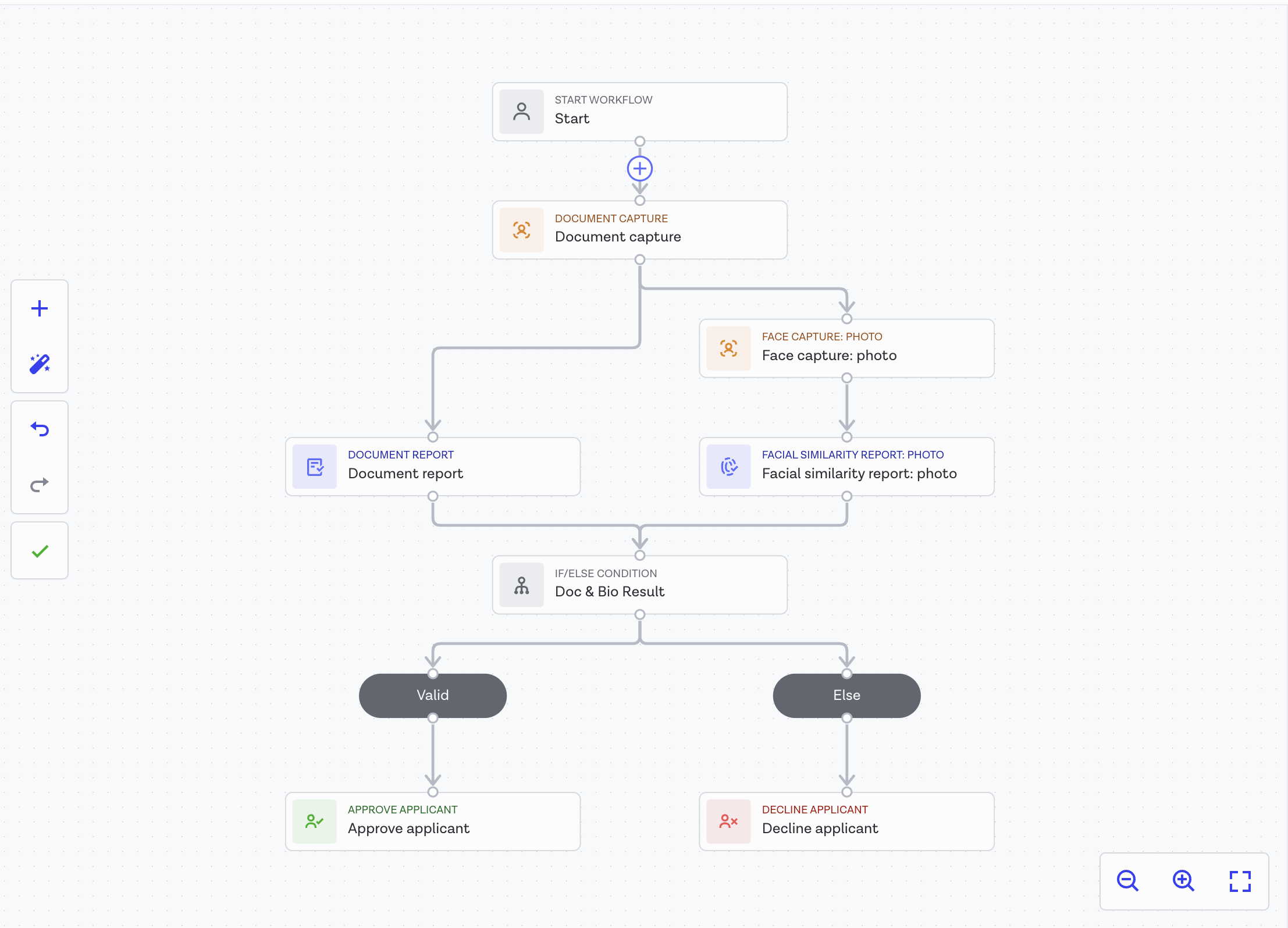
Jumio specializes in biometric authentication, leveraging in-house liveness detection to prevent spoofing attacks during identity verification. This technology ensures that the person presenting the ID is physically present and not using a photograph or video. For crypto platforms, this adds a crucial layer of security against synthetic identity fraud, aligning with strict regulatory requirements for robust user authentication protocols.

5. Coinbase Wallet for non-custodial entry
Coinbase Wallet offers a non-custodial solution for users seeking direct control over their digital assets. Unlike centralized exchanges, this wallet allows users to manage private keys independently, enhancing security and privacy. It serves as an ideal entry point for individuals who prefer self-custody arrangements, providing a user-friendly interface for interacting with decentralized applications and managing various cryptocurrencies without intermediary oversight.

6. MetaMask for browser-based onboarding
MetaMask Embedded Wallets enable seamless Web3 integration within existing applications without requiring users to download separate extensions. This solution abstracts complex key management, allowing fiat-to-crypto flows to occur directly within the user interface. By leveraging account abstraction, it reduces friction for new entrants while maintaining the non-custodial security standards required by regulatory frameworks.
7. PayBito white-label exchange platform
PayBito provides a comprehensive white-label solution for entities seeking to launch regulated cryptocurrency exchanges quickly. The platform offers pre-built trading engines, liquidity aggregation, and robust KYC/AML modules that comply with international standards. This infrastructure allows financial institutions to deploy branded trading platforms without developing core exchange technology from scratch, ensuring rapid market entry.
8. Shift Markets for exchange infrastructure
Shift Markets delivers institutional-grade exchange infrastructure, focusing on high-frequency trading capabilities and deep liquidity pools. Their technology supports complex order types and risk management systems essential for professional trading environments. By providing a secure, scalable backend, Shift Markets enables platforms to handle significant transaction volumes while maintaining strict operational integrity and regulatory adherence.
9. ChangeNOW for instant swap onboarding
ChangeNOW facilitates immediate cryptocurrency swaps without requiring user registration or account creation, significantly lowering the barrier to entry for new investors. This non-custodial service allows users to exchange assets instantly, bypassing traditional onboarding delays. The platform supports a wide range of cryptocurrencies, making it an ideal tool for initial asset acquisition and simple portfolio diversification.
10. HollaEx for open-source exchange tools
HollaEx offers an open-source API and frontend solution for building cryptocurrency exchanges, providing transparency and flexibility for developers. This toolkit includes essential components like trading engines, wallet management, and admin panels, allowing teams to customize their platforms according to specific regulatory requirements. Its open nature ensures that security audits and compliance checks can be thoroughly verified by internal or third-party experts.
Evaluation criteria for onboarding tools
Selecting the right crypto onboarding infrastructure requires a rigorous assessment of three core pillars: regulatory compliance, user experience, and integration ease. For legal and compliance teams, the primary concern is not merely the presence of a KYC solution, but the depth of its regulatory adherence across multiple jurisdictions. Tools must demonstrate verifiable licenses and transparent audit trails to mitigate institutional risk.
Regulatory compliance is the foundation. We prioritized platforms that offer robust identity verification protocols aligned with current AML (Anti-Money Laundering) and CFT (Counter-Terrorist Financing) standards. This includes support for biometric checks, sanction list screening, and real-time transaction monitoring. Tools lacking clear documentation of their compliance frameworks were excluded from this evaluation.
User experience directly impacts conversion rates. Even the most secure onboarding flow fails if it introduces excessive friction. We assessed tools based on their ability to balance security with speed, ensuring that legitimate users can complete identity verification without unnecessary delays or complex manual interventions. A seamless flow reduces drop-off rates while maintaining security integrity.
Integration ease determines operational efficiency. Onboarding tools must integrate smoothly with existing fiat gateways, custodial solutions, and non-custodial wallets. We evaluated the quality of API documentation, SDK availability, and the flexibility of the integration architecture. Tools that require extensive custom development or lack support for diverse user needs (e.g., fiat vs. non-custodial) were deprioritized.
Compare top crypto onboarding providers
Selecting a crypto onboarding solution requires aligning technical infrastructure with specific regulatory obligations. The following comparison evaluates ten leading providers based on their compliance frameworks, integration methodologies, and intended user bases. This analysis distinguishes between custodial and non-custodial models, as well as enterprise-grade white-label solutions versus standalone wallet onboarding tools.
| Provider | Compliance Level | Integration Type | Primary Use Case |
|---|---|---|---|
| PayBito | Full KYC/AML | White-label API | Exchanges & Brokerages |
| HashCash Consultants | Full KYC/AML | White-label Platform | New Crypto Exchanges |
| Shift Markets | Full KYC/AML | White-label API | High-Volume Trading Firms |
| ChangeNOW | Light KYC (Thresholds) | Embedded Widget | Non-Custodial Platforms |
| SimplifyLabs.io | Full KYC/AML | White-label API | Enterprise Financial Institutions |
| HollaEx | Full KYC/AML | White-label API | Startup Exchanges |
| B2BROKER | Full KYC/AML | Liquidity & API | Market Makers & Exchanges |
| Stripe Crypto | Full KYC/AML | Direct Integration | E-commerce Merchants |
| Base Wallets (e.g., Coinbase Wallet) | Self-Custody | Wallet SDK | DeFi & Web3 Users |
| MetaMask | Self-Custody | Browser Extension | General Web3 Users |
Providers such as PayBito, HashCash Consultants, and Shift Markets offer comprehensive white-label ecosystems designed for entities launching regulated exchanges. These solutions typically embed full KYC/AML verification directly into the user flow, ensuring that the operating entity maintains strict adherence to financial regulations. In contrast, services like ChangeNOW and SimplifyLabs.io provide more modular approaches, allowing platforms to integrate compliance checks only when transaction thresholds are exceeded.
For users prioritizing self-custody and decentralized finance (DeFi) access, onboarding tools like Base-compatible wallets and MetaMask operate outside traditional KYC frameworks. These solutions prioritize privacy and user control but require users to manage their own private keys. This distinction is critical for legal compliance, as the burden of identity verification shifts entirely from the platform to the individual user.


As an Amazon Associate, we may earn from qualifying purchases.
Frequently asked questions about crypto onboarding
Is KYC mandatory for all crypto onboarding tools?
Regulatory requirements dictate that custodial services and centralized exchanges must implement Know Your Customer (KYC) protocols to comply with Anti-Money Laundering (AML) laws. Tools facilitating fiat on-ramps or holding user assets require identity verification. Non-custodial wallets, which allow users to manage private keys independently, generally do not enforce KYC, though they may lack direct fiat integration capabilities.
How do non-custodial wallets handle security during onboarding?
Non-custodial platforms shift security responsibility to the user. These tools utilize self-custody mechanisms, such as seed phrases or hardware wallet integrations, rather than holding assets in a central pool. This architecture eliminates the risk of centralized exchange hacks but requires users to maintain strict custody of their recovery credentials. Security relies on the user's ability to store these credentials offline and securely.
What compliance features should enterprises look for in onboarding tools?
Enterprise-grade onboarding solutions must support robust identity verification, transaction monitoring, and regulatory reporting. Look for tools that offer API access to integrate directly with existing compliance stacks. Features such as real-time sanctions screening, geo-blocking capabilities, and audit trails are essential for maintaining adherence to global financial regulations. White-label platforms often provide these compliance modules out of the box.
Can onboarding tools support both fiat and crypto transactions?
Yes, many modern onboarding tools are designed to bridge traditional finance and digital assets. These platforms facilitate seamless fiat-to-crypto conversions, allowing users to deposit funds via bank transfer or credit card. They also support crypto-to-fiat withdrawals, ensuring liquidity for users. Selecting a tool with dual-currency support is critical for businesses aiming to serve a broad, mainstream audience.
How do onboarding tools ensure data privacy and security?
Secure onboarding platforms employ encryption standards such as AES-256 for data at rest and TLS 1.3 for data in transit. They also adhere to data protection regulations like GDPR, ensuring that personal information is handled lawfully. Regular security audits and penetration testing are standard practices for reputable providers. Users should verify that the tool has a clear data retention policy and does not share information with unauthorized third parties.
No comments yet. Be the first to share your thoughts!