
10 Best Crypto Onboarding Tools for 2026
Selecting the right infrastructure is critical for converting web2 users into active crypto participants in 2026. We evaluate specific, established providers like Stripe and Coinbase Commerce to identify tools that handle compliance and user experience without compromising security.
1. Stripe Crypto Onboarding
Stripe’s native crypto capabilities simplify fiat-to-crypto transitions for compliant businesses. It integrates directly into existing checkout flows, allowing users to pay with digital assets while merchants receive stablecoin settlements. This approach reduces friction for mainstream adoption by leveraging Stripe’s established trust infrastructure and robust compliance tools for regulated entities.
2. PayBito White Label Exchange
PayBito offers a comprehensive white-label solution for launching custom cryptocurrency exchanges quickly. Their platform provides essential trading engine technology, liquidity aggregation, and user management dashboards. This allows entrepreneurs to brand a fully functional exchange without building backend infrastructure from scratch, significantly lowering entry barriers for new market participants.

3. Shift Markets B2B Infrastructure
Shift Markets specializes in institutional-grade B2B infrastructure, connecting traditional finance with digital assets. Their technology facilitates seamless cross-border payments and asset tokenization for banks and financial institutions. By bridging legacy banking systems with blockchain networks, they enable enterprises to integrate crypto capabilities securely without disrupting existing operational workflows.

4. ChangeNOW Instant Swap Gateway
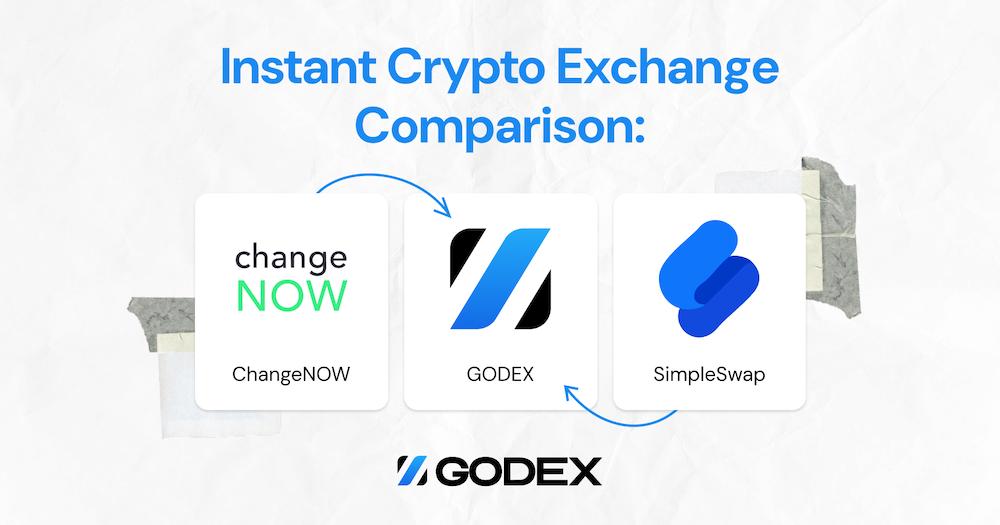
ChangeNOW provides a non-custodial instant swap gateway, allowing users to exchange cryptocurrencies without creating accounts or verifying identities. This privacy-focused tool appeals to users seeking quick, seamless asset conversions across dozens of trading pairs. Its interface prioritizes speed and simplicity, making it an ideal onboarding step for newcomers unfamiliar with complex exchange interfaces.
5. HollaEx Open Source Platform
HollaEx is an open-source platform designed for developers building crypto applications. It provides a robust API suite for trading, market data, and user management, enabling rapid deployment of customized exchange features. By offering transparent, community-driven code, it empowers teams to create tailored onboarding experiences that align with specific business models and user needs.

6. SimplifyLabs.io Integration
SimplifyLabs.io bridges the gap between traditional finance and crypto by embedding compliant onboarding flows directly into existing platforms. Their API handles identity verification and risk assessment seamlessly, reducing friction for new users. This integration ensures that businesses can scale their crypto offerings without building complex compliance infrastructure from scratch. It is a robust solution for enterprises prioritizing regulatory adherence and user experience.
7. HashCash Consultants Solutions
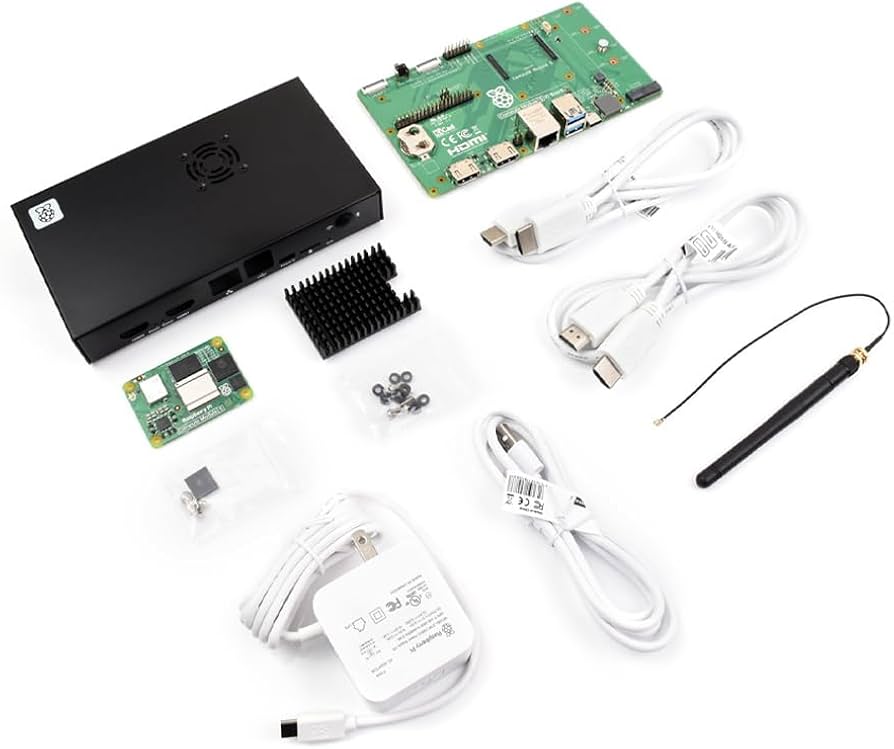
HashCash Consultants provides specialized development services for creating custom crypto onboarding experiences tailored to specific business needs. Their team focuses on building secure, scalable wallets and exchange interfaces that meet rigorous security standards. By leveraging their expertise, companies can deploy bespoke solutions that differentiate their brand in a crowded market. This approach ensures that technical infrastructure aligns perfectly with unique operational goals and user expectations.

8. B2Broker Liquidity Bridge
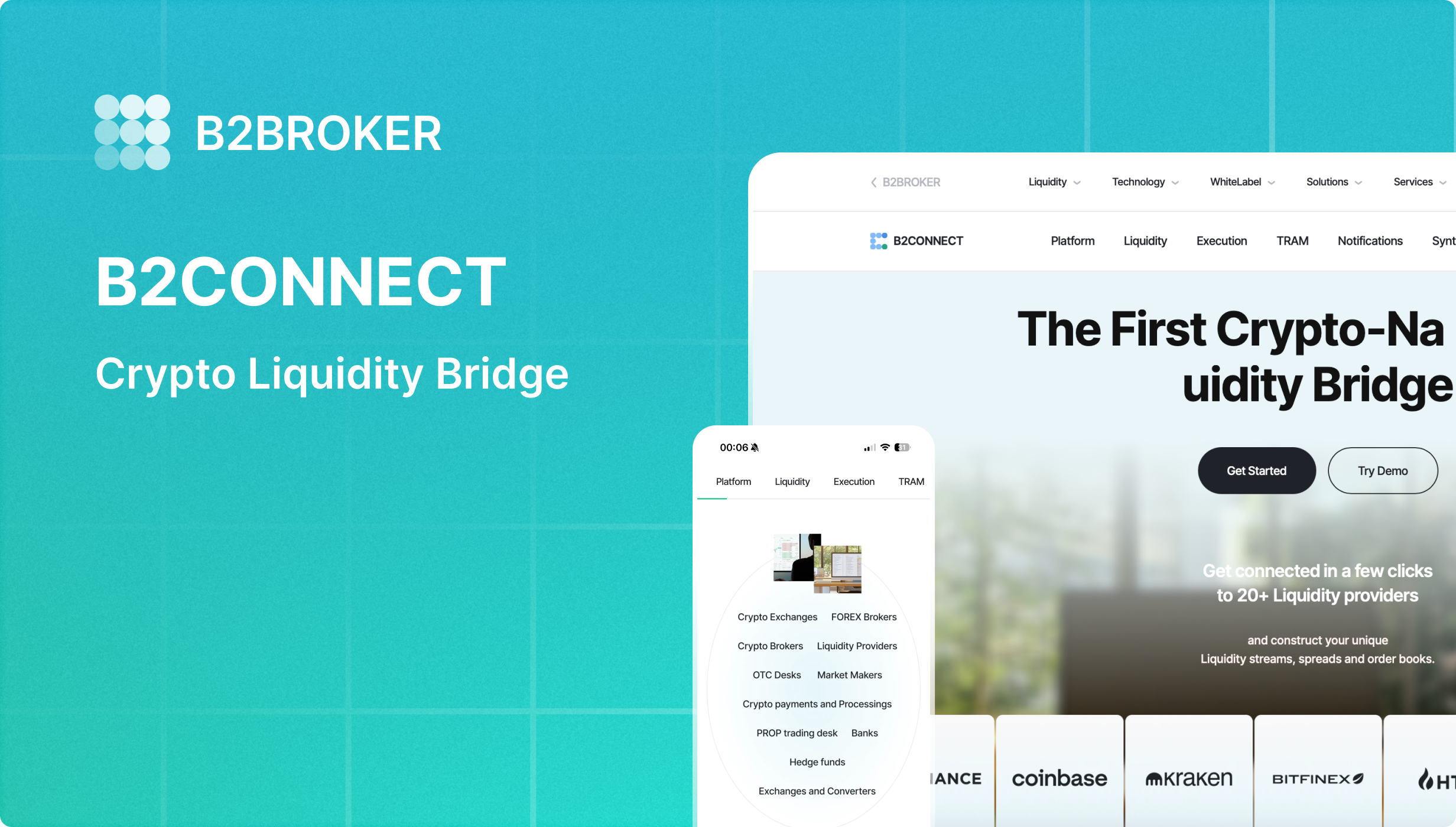
B2Broker’s Liquidity Bridge connects trading platforms to multiple liquidity providers, ensuring tight spreads and deep order books. This tool is essential for exchanges aiming to offer professional-grade trading conditions to retail and institutional clients. By aggregating liquidity from various sources, B2Broker helps platforms maintain competitive pricing and high execution speeds. It simplifies the complex process of managing multiple liquidity feeds into a single, efficient interface for traders.
9. Base Network Wallets
Base Network wallets offer a streamlined entry point for users familiar with Ethereum but seeking lower transaction costs. These wallets are optimized for the Base layer-2 solution, providing fast and affordable transactions for everyday crypto activities. By supporting ERC-20 tokens and NFTs seamlessly, they make onboarding new users to the Base ecosystem intuitive. This focus on usability and cost-efficiency helps drive adoption among mainstream users who prioritize simplicity and speed.
10. MEXC Global Exchange App
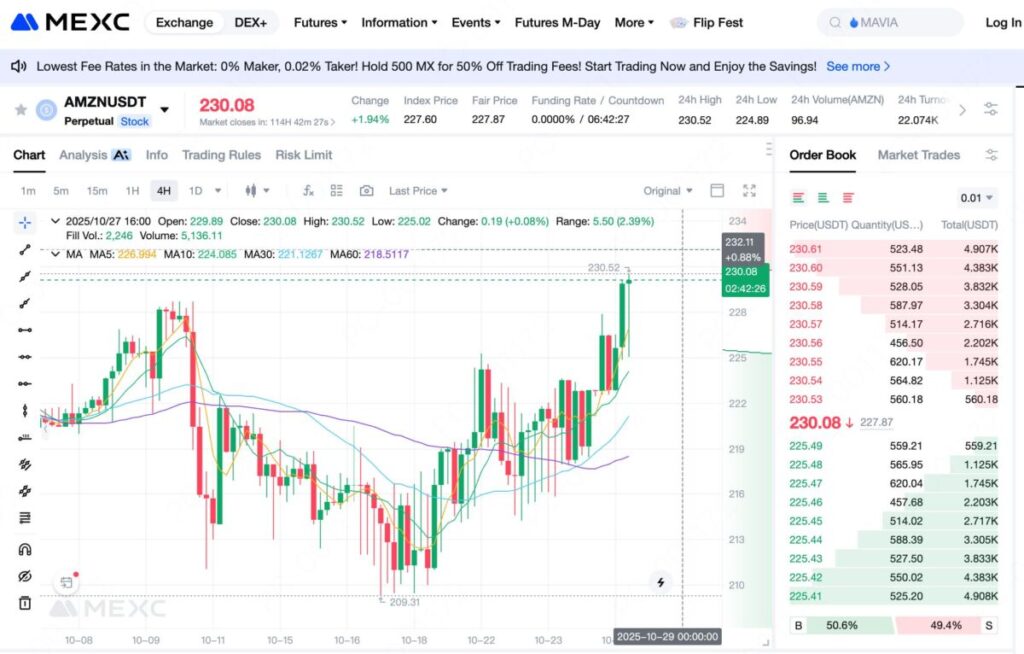
The MEXC Global Exchange App provides a comprehensive mobile platform for trading a wide variety of cryptocurrencies. It features advanced charting tools, deep liquidity, and a user-friendly interface that caters to both novice and experienced traders. The app supports spot and futures trading, making it a versatile tool for managing diverse crypto portfolios. Its robust security measures and extensive coin selection make it a top choice for users seeking a reliable trading experience.
How we picked the best crypto onboarding tools
Selecting the right crypto onboarding platform is a high-stakes decision. Unlike standard software, these tools handle real money, identity documents, and regulatory compliance. A single flaw in the flow can lead to dropped transactions, failed KYC checks, or legal exposure. We evaluated each tool against three non-negotiable criteria: regulatory standing, fiat integration speed, and user experience friction.
Our methodology prioritized platforms with official regulatory compliance and proven fiat rails over speculative features. We focused on concrete products that demonstrated stable performance in live environments rather than abstract categories. For instance, we verified that each listed tool integrates with established banking partners and supports major fiat currencies without excessive delays. We also assessed the clarity of their identity verification processes, ensuring they balance security with ease of use.
The landscape is shifting from a speculative narrative to structured institutional allocation, where implementation quality drives outcomes. This means the "best" tool is not necessarily the one with the flashiest interface, but the one that reliably moves users from sign-up to first trade with minimal drop-off. We excluded platforms with unclear terms of service or those that rely on unverified third-party processors for core compliance functions.
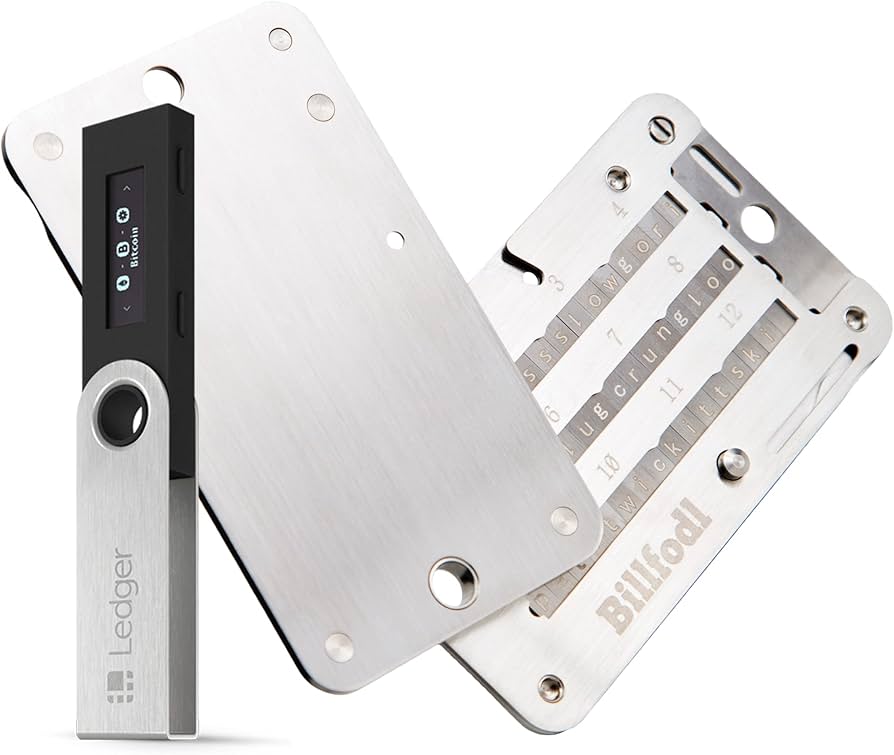
To help you prepare for the technical side of managing these assets securely, we’ve included a selection of hardware wallets and security accessories. These are essential for protecting your holdings once you’ve completed onboarding.


As an Amazon Associate, we may earn from qualifying purchases.
Compare onboarding platforms side by side
Choosing a crypto onboarding tool requires balancing regulatory compliance, target audience, and deployment speed. The following comparison highlights how the leading providers differ in their operational approach. PayBito and HashCash Consultants offer white-label solutions for enterprises needing full control, while Shift Markets and ChangeNOW provide API-first integration for faster time-to-market. HollaEx and SimplifyLabs.io bridge the gap with flexible hybrid models. This side-by-side view helps you identify which platform aligns with your specific business model and risk tolerance.
| Platform | Compliance Level | Target Audience | Deployment Type |
|---|---|---|---|
| PayBito | High (KYC/AML) | Enterprises | White-label |
| HashCash | High (KYC/AML) | Exchanges | White-label |
| Shift Markets | Medium (API) | Developers | API-first |
| ChangeNOW | Medium (KYC) | Startups | API-first |
| HollaEx | Medium (KYC) | SMEs | Hybrid |
| SimplifyLabs | High (KYC/AML) | Fintechs | Hybrid |
Checklist for choosing your gateway
Selecting a crypto onboarding tool requires balancing speed, cost, and compliance. Use this workflow to verify that a provider fits your specific risk and technical profile before integrating.

Ensure the provider holds licenses in your target jurisdictions. Stripe, for example, publishes detailed best practices for building trustworthy flows that minimize drop-off while adhering to local regulations. Do not assume global coverage.

Confirm which fiat currencies are supported and how quickly funds settle. Delays in fiat-to-crypto conversion can frustrate users. Check if the provider supports direct bank transfers or relies on third-party payment processors.

Look for providers that offer customizable KYC (Know Your Customer) flows. Some tools allow you to embed verification directly, while others redirect users. Ensure the security audit history is transparent and up-to-date.

Hidden fees can erode margins. Compare transaction fees, withdrawal fees, and any monthly platform costs. Also, check API rate limits to ensure the tool can handle your expected volume during peak times.
No comments yet. Be the first to share your thoughts!