
Why onboarding matters in 2026
The friction of setting up a crypto wallet and verifying identity remains the single biggest barrier to mass adoption. In 2026, the term "crypto onboarding tool" no longer refers to a single app or a bare-bones exchange. It describes an integrated stack that handles identity verification (KYC), creates a self-custodial wallet, and converts fiat currency into crypto—all within one continuous flow.
Research from the ACM Digital Library confirms that well-designed onboarding processes significantly improve the perceived usability of feature-rich mobile apps for first-time users. When these three steps are fragmented across different platforms, drop-off rates spike. A unified onboarding tool removes these silos, allowing users to move from a bank account to a digital wallet without losing trust or context.
Modern solutions prioritize speed and security. They use biometric data and decentralized identity protocols to verify users instantly, while simultaneously generating a secure wallet address in the background. This approach transforms what was once a tedious, multi-day process into a matter of minutes, making crypto accessible to non-technical users who simply want to buy, hold, or spend digital assets.
KYC automation platforms
Identity verification is the primary bottleneck in crypto onboarding. Manual reviews create friction, causing users to abandon the process before they ever deposit funds. KYC automation platforms solve this by integrating document scanning, biometric checks, and sanctions screening into a single API call.
These tools act as the gatekeepers for compliance. They verify that the person behind the wallet is who they claim to be, satisfying AML regulations without slowing down the user experience. For developers, the goal is to reduce integration time while maximizing pass rates.
OnboardID
OnboardID specializes in real-time identity verification with a focus on fraud prevention. The platform uses machine learning to analyze documents and selfies, flagging synthetic identities or manipulated files instantly. Netki, a major crypto infrastructure provider, integrated OnboardID to streamline its client onboarding, reporting that the tool prevented significantly more fraud than manual reviews could catch.
Persona
Persona provides a unified identity verification solution that covers KYC, KYB, and device intelligence. Its platform is designed to adapt to changing global regulations, making it suitable for platforms operating across multiple jurisdictions. Persona’s "18 proven KYC tactics" guide highlights how its automated flows can reduce drop-off rates by verifying users in seconds rather than days.
AU10TIX
AU10TIX focuses on optical character recognition (OCR) and facial biometrics to verify identities at scale. The company’s technology is often embedded into larger exchanges and trading platforms to handle high volumes of users. By automating the extraction of data from government IDs, AU10TIX reduces the manual workload for compliance teams while maintaining a strict audit trail for regulators.
Comparison of KYC Automation Tools
| Platform | Primary Strength | Integration Type | Best For |
|---|---|---|---|
| OnboardID | Fraud Prevention | API | High-risk exchanges |
| Persona | Global Compliance | SDK/API | Multi-jurisdictional platforms |
| AU10TIX | OCR Accuracy | Embedded Widget | High-volume retail apps |
Web3 sign-in and wallet solutions
For most new users, the idea of writing down a 12-word seed phrase is the single biggest barrier to entering crypto. Web3 sign-in tools solve this by letting users log in with existing accounts—like Google or Apple—while creating a wallet in the background. This approach, often called account abstraction or smart accounts, removes the friction of manual key management.
Magic
Magic focuses on passwordless authentication. Instead of asking users to remember private keys, Magic sends a one-time code to their email or phone number. Behind the scenes, it generates a secure wallet for them. This makes the experience feel like signing up for a modern app rather than securing a bank vault. The tool handles the complex cryptography, allowing users to interact with decentralized apps without ever seeing a seed phrase.
Privy
Privy takes a different angle by offering a "Guest Wallet" feature. When a user visits a website, Privy can create a wallet for them instantly without requiring any registration. They can start trading or using an app immediately. If they decide to stay, they can link that wallet to their email or social account later. This lowers the initial effort to zero, which is critical for converting casual visitors into active users.
Coinbase Smart Wallet
For those already in the Coinbase ecosystem, the Smart Wallet offers a familiar entry point. It uses social recovery, meaning if you lose your password, you can recover your account through trusted contacts or your email. This removes the fear of permanent loss that keeps many people away from self-custody. It bridges the gap between the ease of a centralized exchange and the ownership of a personal wallet.
Fiat to crypto on-ramp solutions
Fiat on-ramps act as the bridge between traditional banking and the blockchain, allowing users to convert USD, EUR, or other currencies into digital assets. For new users, the friction of this conversion often determines whether they stay in the ecosystem or leave. The best platforms prioritize regulatory compliance and transparent fee structures, ensuring that the cost of entry is clear before the transaction settles.
Coinbase
Coinbase remains the most widely recognized on-ramp in the United States due to its regulatory standing and ease of use. It supports direct bank transfers (ACH) and debit card purchases, making it a default choice for beginners. While its base fees can be higher than some competitors, the platform’s transparency regarding the spread and network gas fees reduces unexpected costs. For users prioritizing security and compliance over the absolute lowest fee, Coinbase provides a reliable entry point into crypto.
Kraken
Kraken is known for its robust security infrastructure and competitive fee schedule, particularly for users who fund accounts via bank wire. It offers a wide range of cryptocurrencies and supports fiat withdrawals, which is rare among major exchanges. The platform’s interface is slightly more complex than Coinbase’s, but the lower trading fees and higher liquidity make it a strong option for users who plan to move beyond simple onboarding. Kraken’s regulatory compliance in multiple jurisdictions ensures that users can trust the longevity of the service.
Binance
Binance is the largest global exchange by volume, offering extensive fiat support through its P2P platform and direct bank integrations. For users outside the United States, Binance often provides the widest selection of altcoins and the deepest liquidity. However, regulatory scrutiny in the US has limited its direct fiat on-ramp options for American users. It remains a top choice for international users who need a seamless way to convert local currency into crypto with minimal friction.
Hardware wallets for secure entry
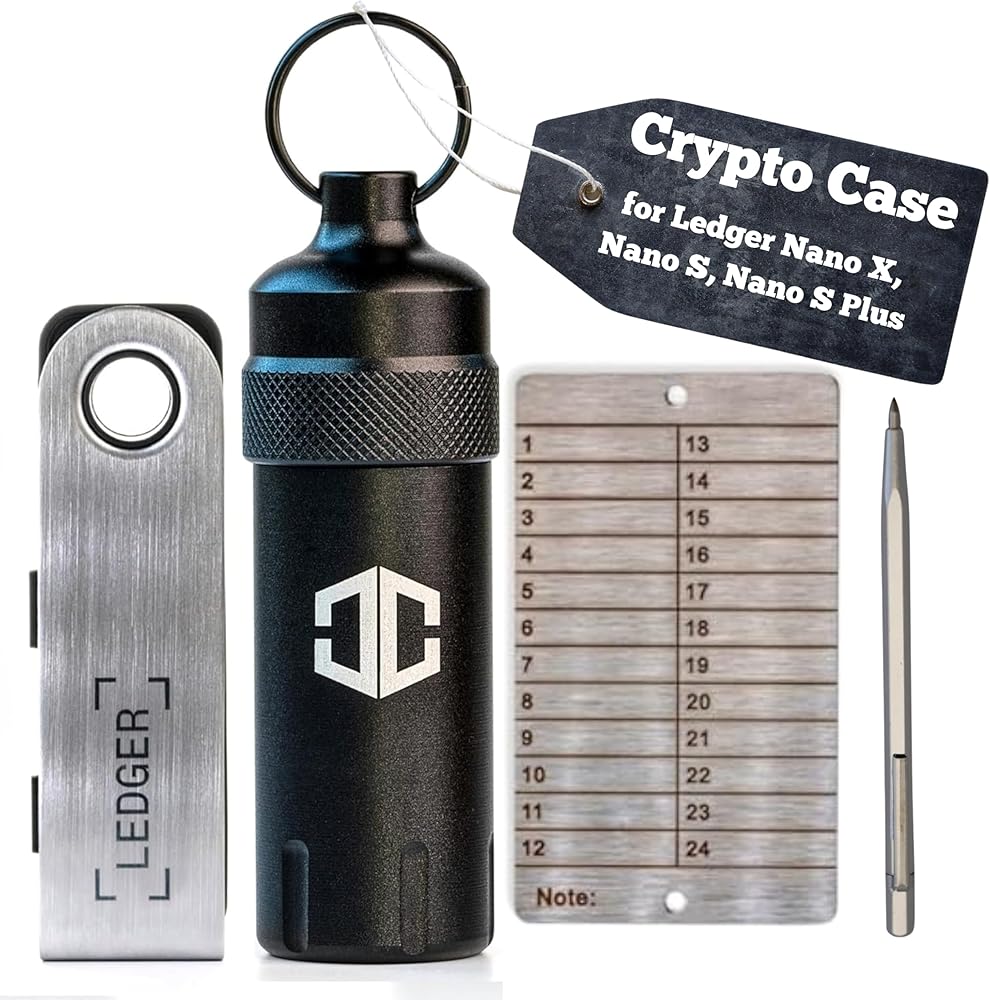
Hardware wallets act as the physical vault for your digital assets, keeping private keys offline and away from internet-connected threats. For high-stakes users, this separation is non-negotiable; it ensures that even if your computer is compromised, your funds remain secure. These devices require physical interaction—such as pressing buttons on the device itself—to authorize transactions, adding a critical layer of defense against remote hacking attempts.
When selecting a hardware wallet, prioritize established brands with a long track record of security audits and open-source firmware. The Ledger Nano X and Trezor Model T are widely recognized for their robust security architectures and broad coin support. These devices integrate seamlessly with major crypto wallets, allowing you to manage your portfolio while keeping your keys isolated on the hardware. Always purchase directly from the manufacturer to avoid tampered devices.
AmazonProductGrid


How to choose the right crypto onboarding stack
Selecting the right combination of KYC, wallet, and fiat on-ramp tools requires balancing strict compliance with frictionless user experience. The goal is to build a stack that supports your specific audience without creating unnecessary drop-off points.




Frequently asked: what to check next
Helpful gear
Use these product recommendations as a starting point, then choose the size, material, and price point that fit how you actually use the gear.


As an Amazon Associate, we may earn from qualifying purchases.
No comments yet. Be the first to share your thoughts!