
Why crypto onboarding matters in 2026
By 2026, the regulatory landscape for digital assets has shifted from voluntary best practices to mandatory enforcement. Platforms that previously relied on lightweight identity checks now face strict requirements under updated anti-money laundering (AML) frameworks. This transition has made robust crypto onboarding tools a non-negotiable component of any compliant exchange or wallet provider.
The primary driver is regulatory clarity. Major jurisdictions, including the European Union with its Markets in Crypto-Assets (MiCA) regulation and the United States with its evolving FinCEN guidelines, now demand rigorous Know Your Customer (KYC) verification. Failure to implement these checks results in severe penalties, including license revocation and substantial fines. Consequently, businesses must prioritize solutions that offer real-time identity verification and transaction monitoring.
Beyond compliance, user friction remains a critical barrier. Traditional KYC processes often involve lengthy document uploads and manual review times, leading to high drop-off rates during account creation. Modern onboarding tools address this by integrating automated identity verification and biometric checks, reducing verification times from days to seconds. This balance between security and speed is essential for retaining users in a competitive market.
The integration of these tools is not merely about avoiding legal trouble; it is about building trust. Users are increasingly aware of data security risks and prefer platforms that demonstrate a commitment to protecting their identities. By adopting advanced onboarding solutions, businesses can create a seamless yet secure entry point for new users, fostering long-term engagement and regulatory compliance.
10 Best Crypto Onboarding Tools 2026: KYC and AML Solutions
In 2026, regulatory scrutiny of digital asset transactions has intensified, making robust Know Your Customer (KYC) and Anti-Money Laundering (AML) infrastructure a non-negotiable prerequisite for market entry. The following tools are evaluated based on their ability to mitigate compliance risk while streamlining user onboarding, prioritizing solutions that align with current global regulatory standards.
1. Stripe Identity crypto compliance verification
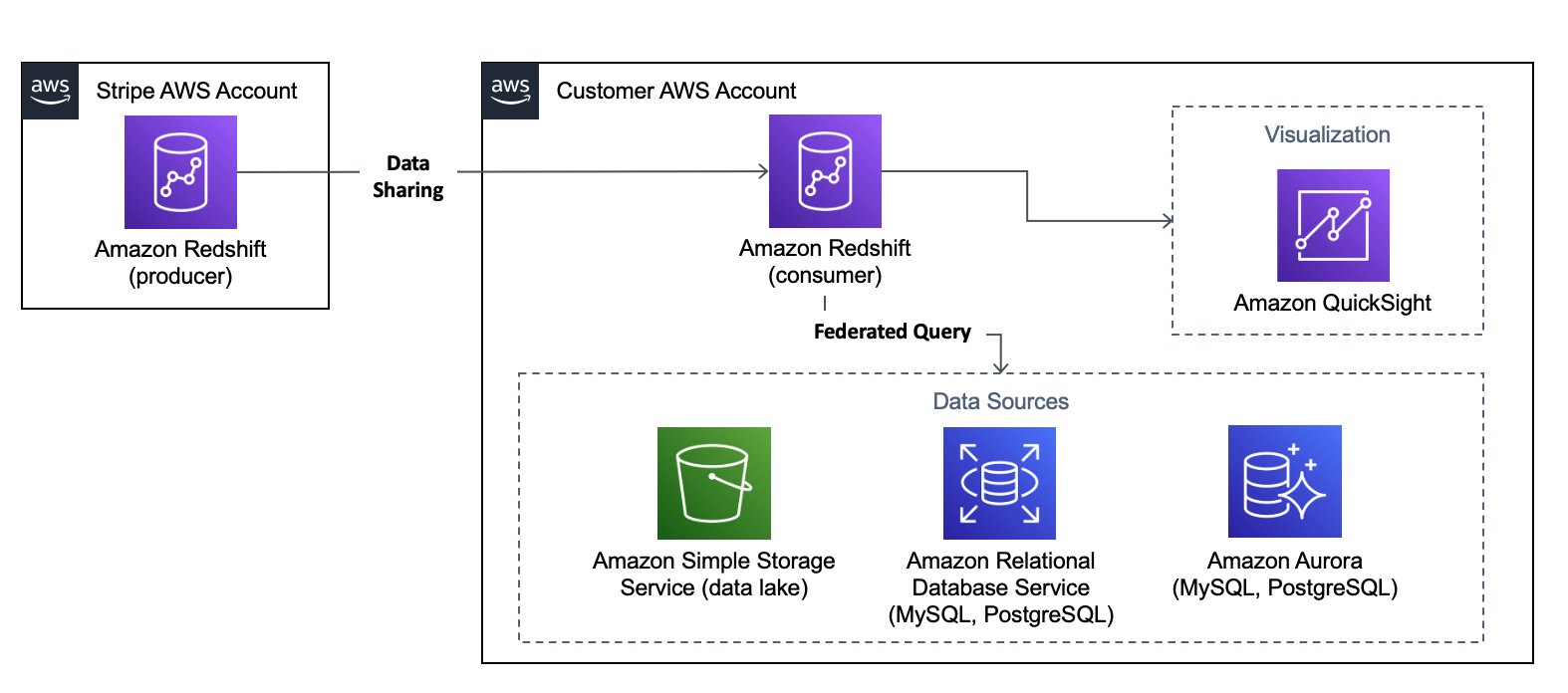
Stripe Identity integrates seamlessly into existing payment flows, offering automated document verification and liveness detection for crypto platforms. This solution reduces manual review overhead while maintaining strict adherence to global anti-money laundering standards. Its API-first architecture ensures minimal friction for users during the onboarding process, balancing security with conversion rates.
- Automated document verification
- Liveness detection
- API-first architecture
2. Sumsub global KYC coverage solutions
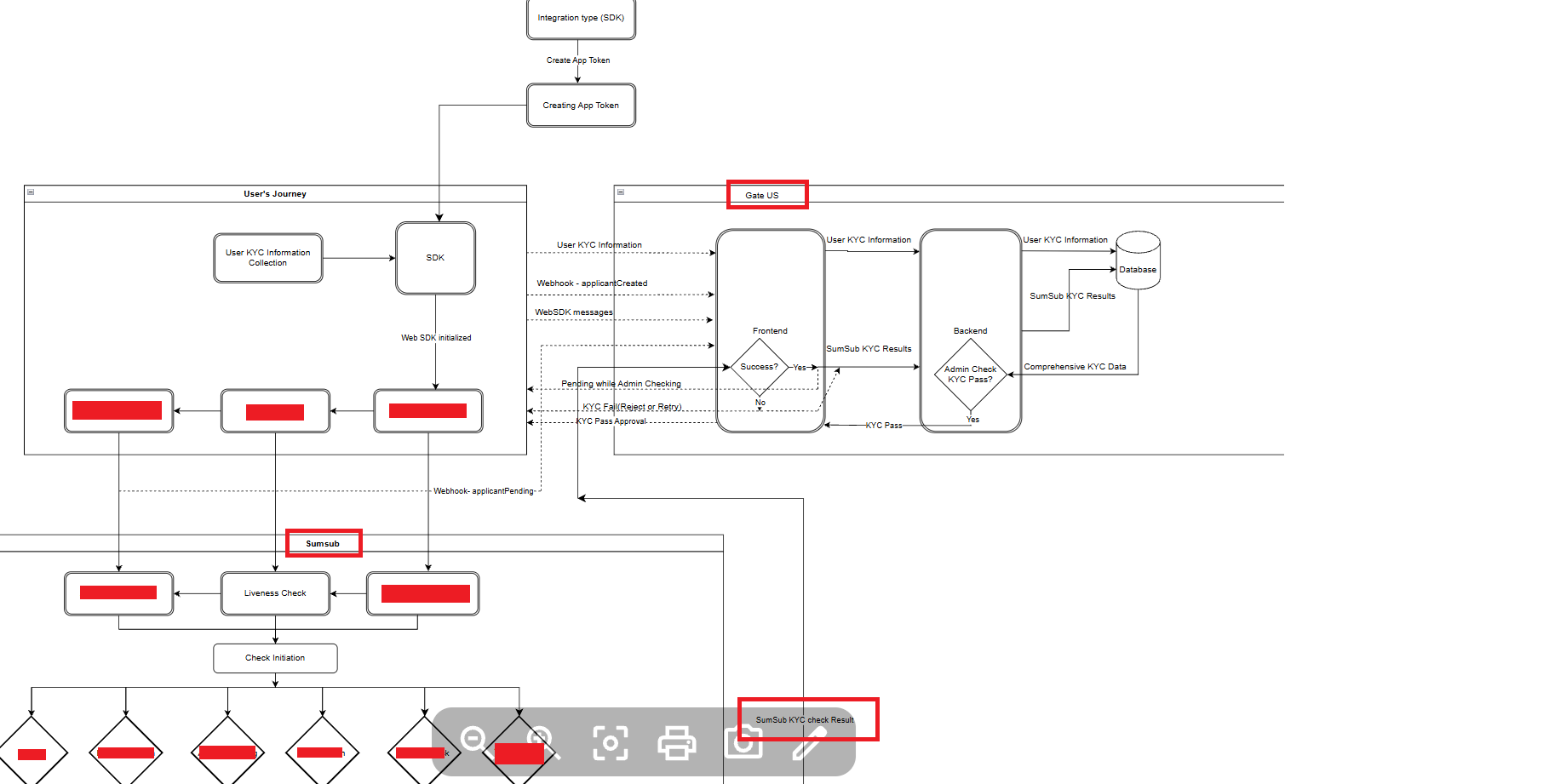
Sumsub provides comprehensive KYC coverage across 200+ countries, supporting diverse identification documents and facial recognition technologies. This platform excels in handling complex regulatory environments, making it ideal for crypto exchanges operating internationally. Its robust risk assessment tools help platforms detect synthetic identities and fraudulent activities effectively.
3. Jumio biometric identity verification tools
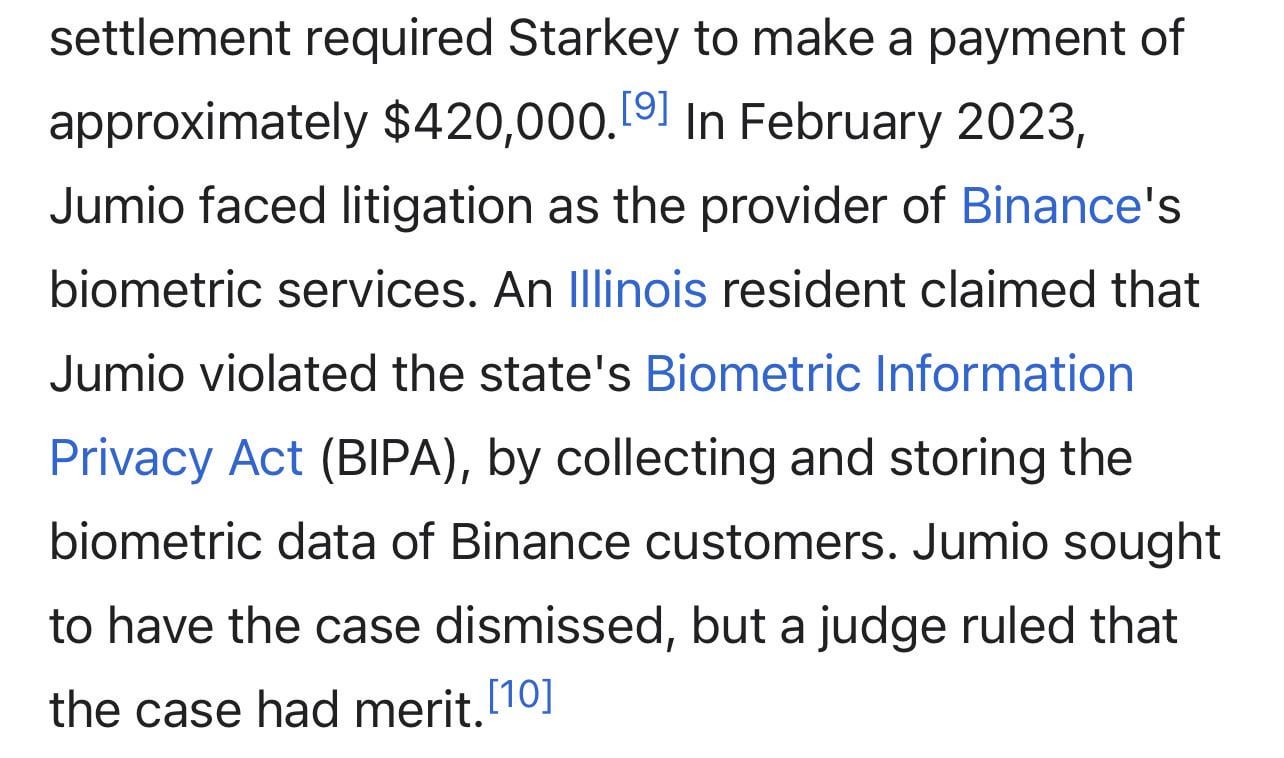
Jumio leverages advanced biometric technology to verify user identities with high precision, crucial for preventing identity theft in crypto transactions. Its real-time verification process ensures that only legitimate users gain access to trading platforms. The tool’s integration capabilities allow for smooth deployment within existing compliance frameworks, enhancing overall security posture.
4. Onfido automated risk scoring systems
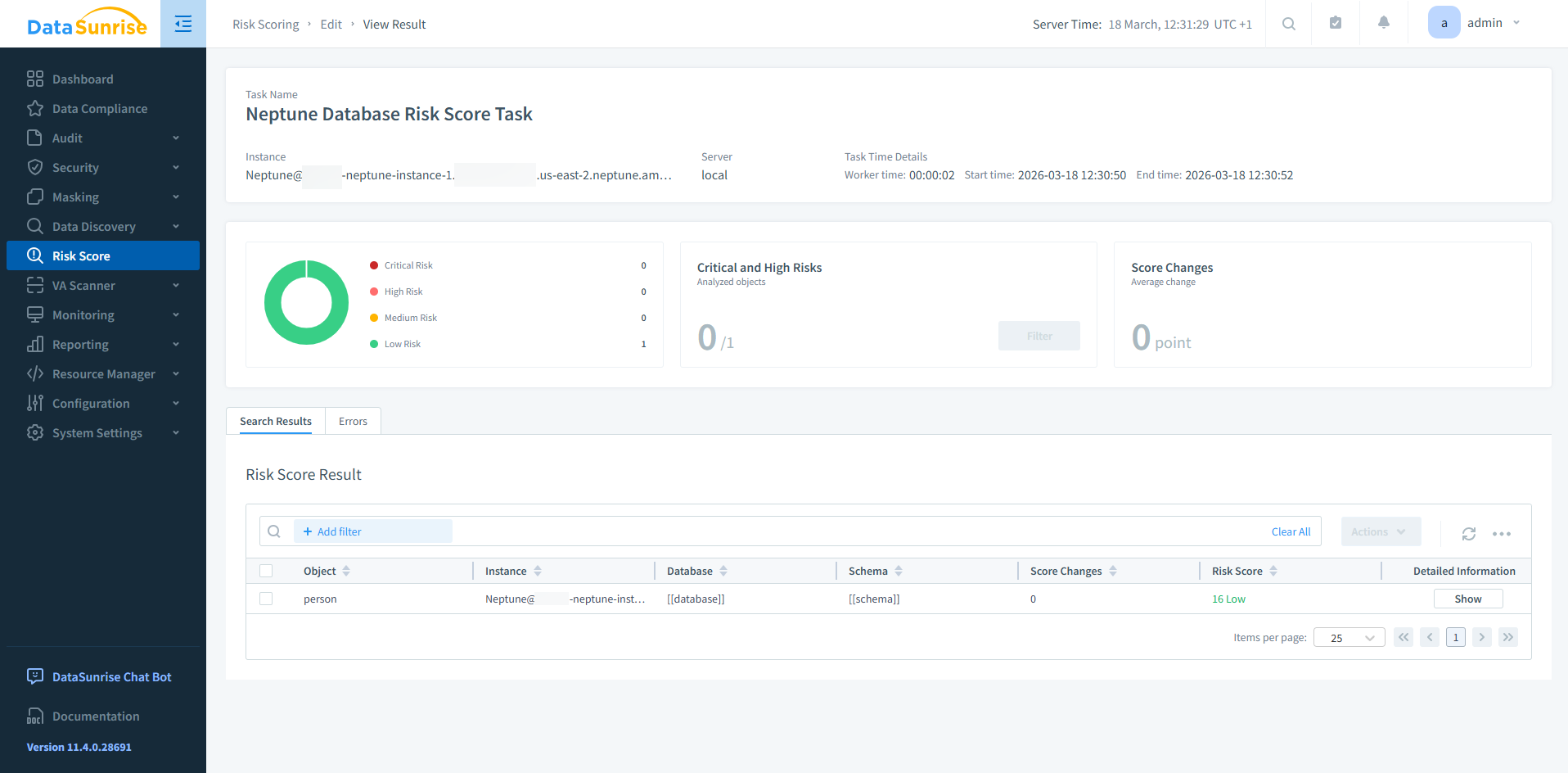
Onfido offers automated risk scoring that evaluates user behavior and document authenticity to flag potential threats instantly. This proactive approach helps crypto platforms mitigate risks associated with money laundering and terrorist financing. The system’s adaptability allows it to evolve with changing regulatory requirements, ensuring continuous compliance without manual intervention.
5. Chainalysis KYT transaction monitoring platform
Chainalysis KYT monitors blockchain transactions in real-time, identifying suspicious activities and ensuring compliance with regulatory standards. This platform provides detailed analytics and reporting tools that help crypto businesses understand their exposure to illicit funds. Its integration capabilities allow for seamless adoption, enhancing transparency and trust within the crypto ecosystem.

6. Elliptic blockchain analytics for AML
Elliptic provides deep transaction tracing across multiple blockchains, essential for identifying illicit fund flows. Its platform flags high-risk addresses and offers detailed attribution data, enabling compliance teams to meet AML directives effectively. This tool is critical for maintaining regulatory integrity in crypto operations.
7. TRM Labs real-time crypto alerts
TRM Labs delivers real-time alerts for suspicious crypto activities, helping firms detect fraud and money laundering instantly. Its intelligent network analysis connects entities across chains, providing actionable insights for compliance officers. This proactive monitoring ensures rapid response to emerging threats in the digital asset space.
8. Veriff facial recognition KYC verification
Veriff utilizes advanced facial recognition and document verification to streamline KYC processes. It ensures high accuracy in identity confirmation, reducing fraud risks while enhancing user experience. This solution supports global compliance standards, making it ideal for crypto platforms seeking robust, automated identity checks.

9. Shyft Network regulatory compliance API
Shyft Network offers a regulatory compliance API that simplifies data reporting for crypto businesses. It automates interactions with regulatory bodies, ensuring accurate and timely submissions. This integration reduces administrative burden and enhances transparency, helping firms navigate complex legal requirements efficiently.

10. Smile ID African identity verification
Smile ID specializes in African identity verification, addressing unique regional challenges. It combines biometric data with local ID sources to ensure accurate KYC compliance. This tailored approach helps crypto platforms expand into African markets while adhering to local regulatory frameworks.

Evaluation criteria for 2026 tools
Selecting the right KYC and AML infrastructure requires balancing regulatory rigor with operational efficiency. In 2026, the most effective onboarding solutions are measured by three specific metrics: compliance accuracy, user experience, and integration speed.
Compliance accuracy remains the primary concern. Tools must integrate directly with official sanction lists and maintain high identity verification success rates to prevent regulatory penalties. A false negative in AML screening is not merely an inconvenience; it is a liability that can halt operations.
User experience dictates conversion rates. Friction in the onboarding flow—such as excessive document uploads or slow verification times—directly correlates with user drop-off. The best tools streamline the identity proofing process without compromising the security standards required by financial authorities.
Integration speed determines time-to-market. Legacy systems often require months of development to embed compliance features. Modern white-label solutions, such as those highlighted by Shift Markets and HollaEx, offer API-first architectures that allow platforms to launch compliant onboarding in weeks rather than quarters.
How to choose the right onboarding tool
Selecting a KYC and AML provider requires aligning technical capabilities with your specific risk profile. A high-volume exchange needs different infrastructure than a regulated neo-bank. The decision framework should prioritize regulatory coverage, integration complexity, and user conversion rates.
The table below compares three leading platforms based on their core compliance features and target use cases. Stripe suits developers seeking rapid API integration, while Sumsub and Jumio offer deeper, customizable verification workflows for complex regulatory environments.
| Provider | Primary Focus | Integration Complexity | Best For |
|---|---|---|---|
| Stripe Identity | Seamless API integration | Low | Startups and fintechs |
| Sumsub | Comprehensive KYC/AML | Medium | High-volume exchanges |
| Jumio | Biometric verification | Medium | Traditional financial institutions |



As an Amazon Associate, we may earn from qualifying purchases.
When evaluating these tools, consider the friction they introduce into the user journey. As Stripe notes in their best practices guide, minimizing drop-off is critical for maintaining user trust while satisfying regulatory demands. Choose the solution that balances security with the smoothest possible onboarding experience for your specific audience.
No comments yet. Be the first to share your thoughts!