
Why crypto onboarding matters in 2026
The barrier to entry for digital assets has collapsed. In 2026, the friction that once defined crypto—memorizing twelve-word seed phrases, navigating complex wallet interfaces, and enduring hours of identity verification—has been replaced by seamless, biometric-first experiences. The industry has shifted from a niche hobbyist playground to a mainstream financial utility where onboarding is as simple as clicking a link on social media.
This transformation is driven by two converging forces: AI-driven automation and regulatory compliance. Modern onboarding tools no longer just ask for data; they verify it in real-time using biometric checks and AI analysis, reducing drop-off rates that previously stalled adoption. As David Tso noted in recent industry analysis, the expectation is now that a crypto app should be as frictionless as any Web2 application, allowing users to move from an Instagram post to active trading without leaving the ecosystem.
For investors and institutions, this shift is critical. Complex onboarding was the primary bottleneck for mass adoption. Today, tools like Coinbase, Kraken, and Binance have standardized this flow, integrating KYC (Know Your Customer) and AML (Anti-Money Laundering) checks directly into the user experience. The goal is no longer just to sell a product, but to build trust through security and speed.
As we review the top tools for the year, we are looking for platforms that balance this ease of use with institutional-grade security. The best crypto onboarding tools in 2026 do not just simplify the sign-up process; they embed compliance into the user journey, ensuring that new entrants are protected from fraud while gaining immediate access to markets.
10 Crypto Onboarding Tools for 2026: Simplifying Web3 Entry
Navigating Web3 entry in 2026 demands tools that balance seamless user experience with rigorous security and compliance standards. This roundup evaluates ten specific onboarding solutions, including Coinbase Wallet and MetaMask, to help you select the infrastructure that minimizes friction while protecting assets.
1. Burner Wallet for instant browser access
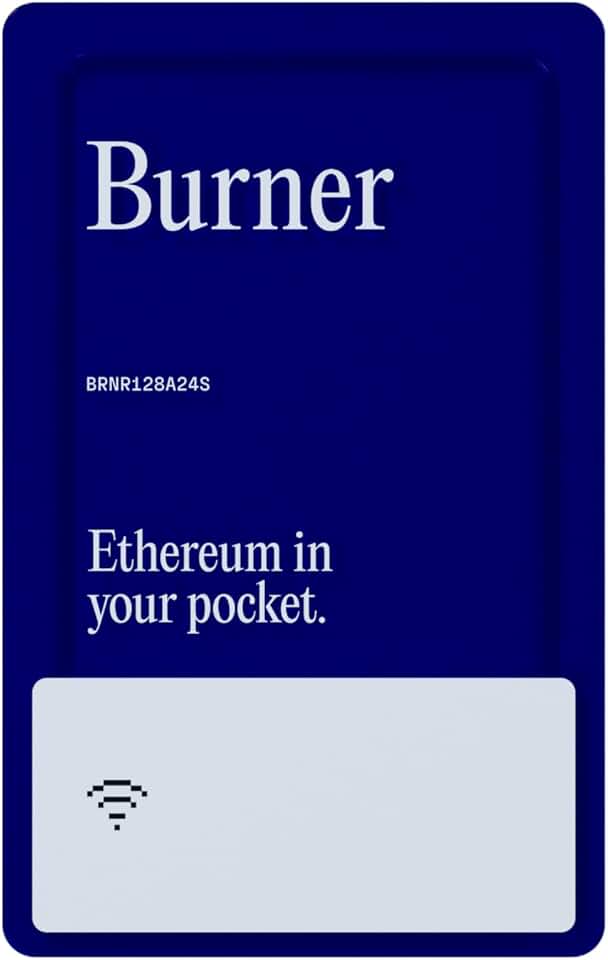
Burner Wallet operates like a disposable identity, generating ephemeral keys directly within your browser. This approach eliminates the friction of downloading heavy software, offering a frictionless entry point for casual users. It prioritizes speed and temporary security, making it ideal for one-time interactions or testing new dApps without exposing long-term assets to potential vulnerabilities.

2. MetaMask for configurable self-custody
MetaMask remains the industry standard for users seeking full control over their digital assets. By providing a robust, configurable interface for self-custody, it empowers users to manage private keys securely while interacting with a vast ecosystem of decentralized applications. Its widespread adoption ensures compatibility with most Web3 platforms, making it a reliable foundation for serious crypto engagement.

3. Coinbase Wallet for structured entry
Coinbase Wallet bridges the gap between centralized exchanges and decentralized finance by offering a structured, user-friendly onboarding experience. It allows users to hold their own keys while maintaining easy access to fiat on-ramps through Coinbase’s regulated infrastructure. This hybrid approach reduces the learning curve for newcomers, providing a secure yet accessible pathway into the broader crypto ecosystem.
4. Exodus for visual portfolio management
Exodus stands out with its intuitive, visually rich interface that simplifies complex portfolio tracking. By presenting asset performance through clear charts and graphs, it demystifies market volatility for beginners. The built-in exchange feature allows for seamless asset swaps within the app, reducing the need to navigate multiple platforms and providing a cohesive, aesthetically pleasing management experience for diverse crypto holdings.

5. Crypto.com for fiat-to-crypto ease
Crypto.com streamlines the transition from traditional finance to digital assets through its integrated fiat-to-crypto infrastructure. By offering direct bank transfers and card purchases, it removes the technical barriers often associated with onboarding. The platform’s emphasis on ease of use and comprehensive financial tools makes it an attractive option for users who prioritize convenience and straightforward transaction processes in their Web3 journey.
6. Rabby for advanced user configuration
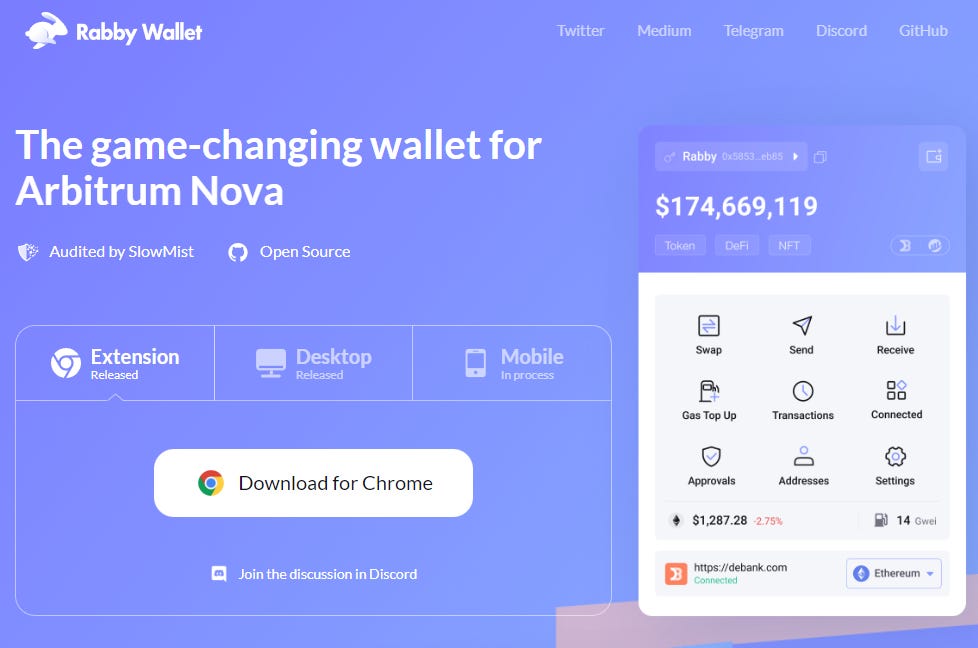
Rabby serves as the security-conscious gateway for users managing multiple chains. Unlike standard wallets, it pre-validates transactions before signing, alerting users to potential smart contract risks. This proactive defense layer ensures that advanced configuration does not compromise safety. The interface remains clean while offering deep control over network settings and permission management.
7. Coinme for data-driven KYC verification
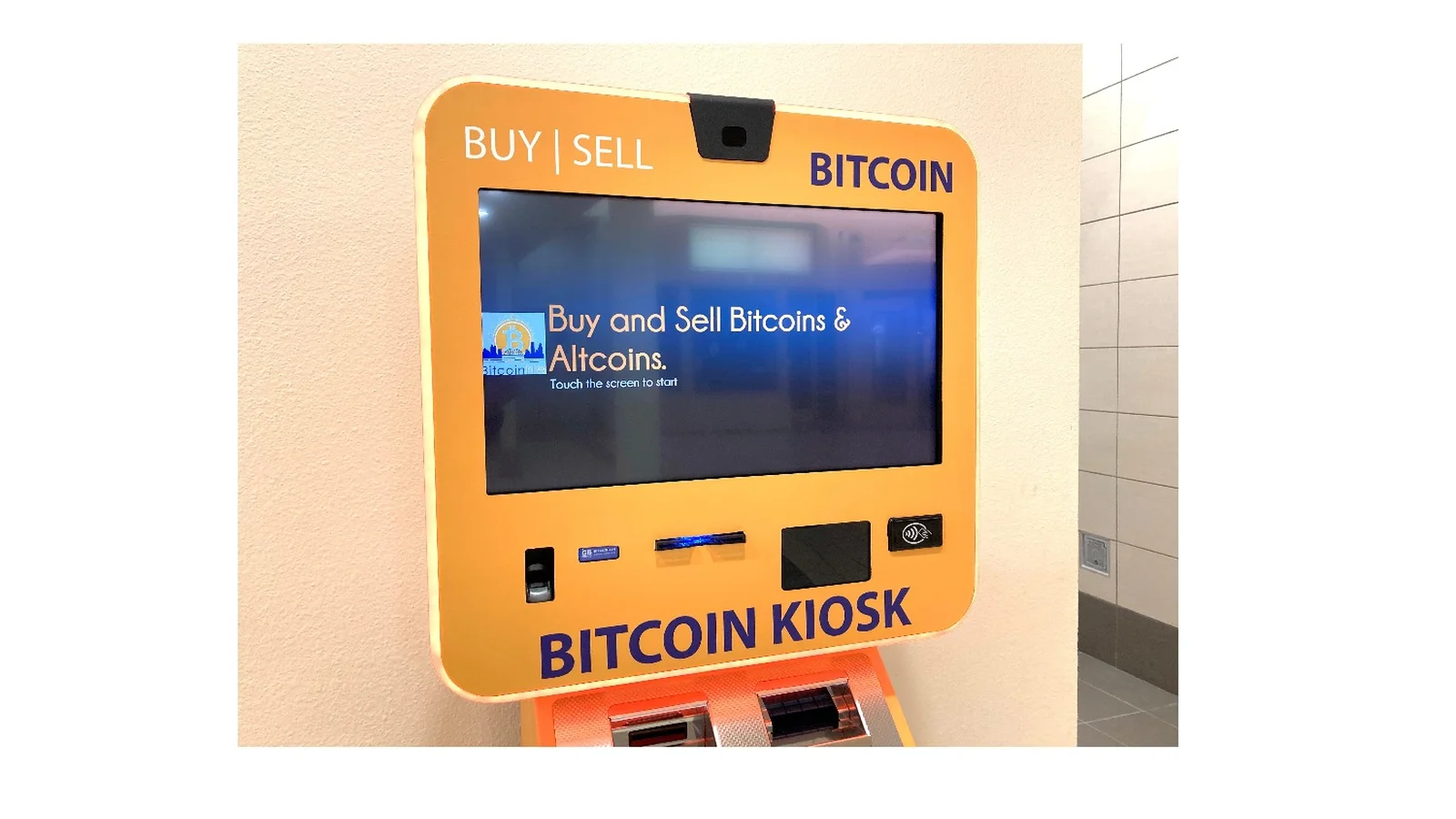
Coinme bridges the gap between traditional finance and digital assets through rigorous identity verification. Its kiosks and online platform prioritize compliance, ensuring users meet regulatory standards before accessing crypto markets. This data-driven approach builds trust for institutions and individual investors alike. By streamlining the Know Your Customer process, Coinme reduces friction while maintaining high security protocols for every transaction.
8. Stripe for embedded payment onboarding
Stripe transforms complex blockchain integrations into seamless web experiences for developers. Its embedded finance tools allow platforms to accept crypto payments without building custom infrastructure. This solution simplifies the onboarding journey by handling compliance, currency conversion, and settlement automatically. Businesses can offer Web3 entry points that feel as familiar as traditional e-commerce checkout flows.
9. Streamflow for blockchain automation
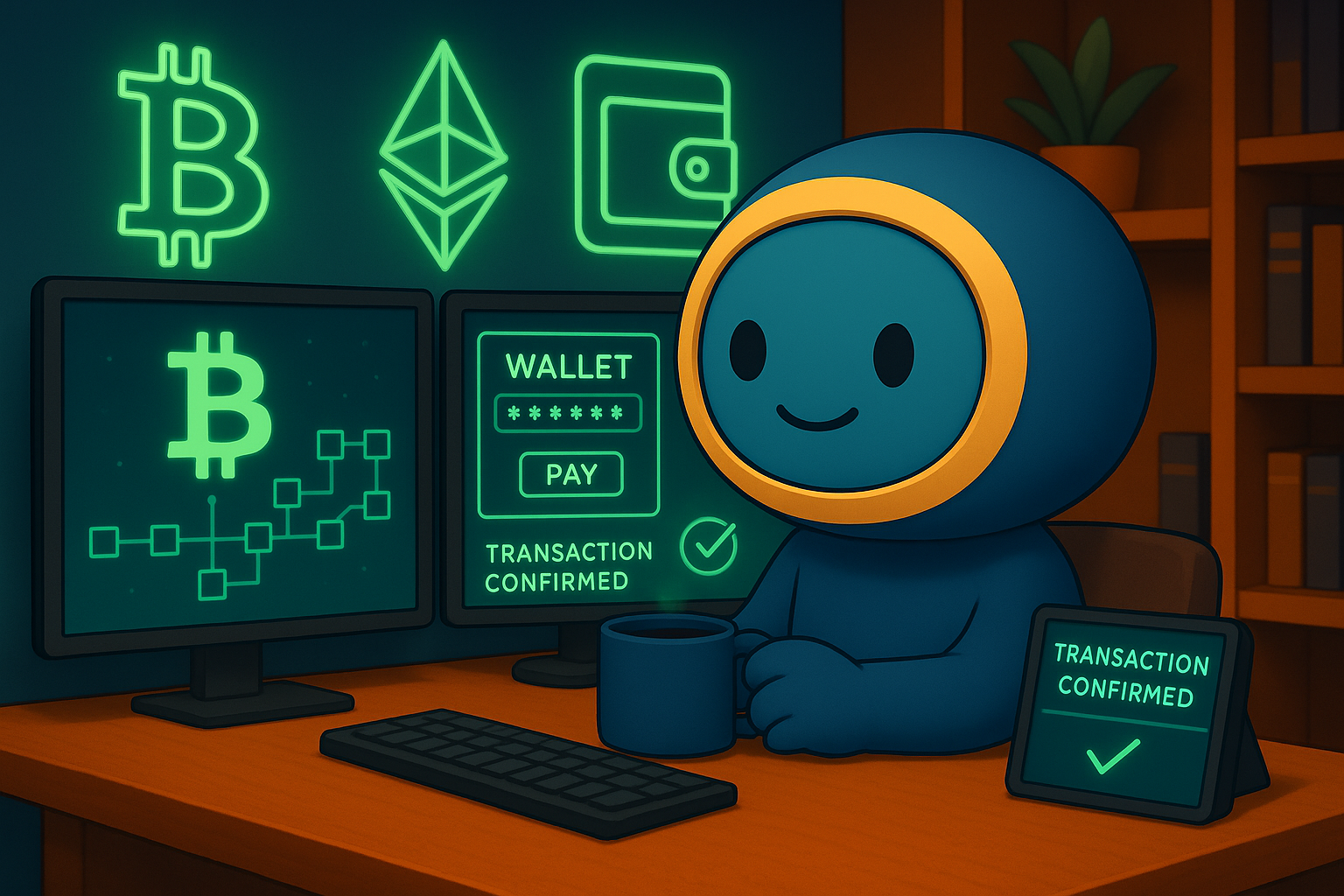
Streamflow empowers creators and platforms to automate token distribution and vesting schedules. By leveraging smart contracts, it removes manual overhead from complex financial arrangements. Users can set up recurring payments or milestone-based releases directly on-chain. This automation ensures transparency and accuracy, making it an essential tool for projects requiring structured, trustless financial interactions.
10. P2P Staking for direct wallet onramps
Peer-to-peer staking platforms enable users to earn rewards directly from their wallets without intermediaries. This model offers higher yields and greater control over assets compared to centralized exchanges. Users can select validators and manage their stakes with full transparency. By removing third-party custodians, P2P staking enhances security and aligns incentives between participants and network validators.
Compare top onboarding platforms
Choosing a crypto onboarding tool requires balancing ease of entry with control over your assets. The following table compares five leading platforms across three critical dimensions: KYC requirements, self-custody level, and supported chains. This comparison highlights the trade-offs between centralized convenience and decentralized security.
| Platform | KYC Required | Custody Model | Primary Chains |
|---|---|---|---|
| Coinbase Wallet | No | Non-custodial | Ethereum, Base, Polygon |
| MetaMask | No | Non-custodial | Ethereum, Base, Arbitrum |
| Exodus | No | Non-custodial | Bitcoin, Ethereum, Solana |
| Crypto.com | Yes | Hybrid | Cronos, Ethereum |
| Rabby | No | Non-custodial | Ethereum, Base, Polygon |
As noted in MetaMask’s 2026 wallet guide, platforms like Coinbase Wallet and Exodus generally provide the most structured onboarding flows for beginners, while MetaMask and Rabby offer more configuration options for advanced users [[src-serp-8]]. Burner’s analysis of Base-specific wallets further confirms that non-custodial options dominate the top recommendations for 2026, emphasizing user sovereignty [[src-serp-1]].
When selecting a tool, prioritize non-custodial wallets if you are comfortable managing your own private keys. For those requiring simplified recovery or fiat on-ramps, hybrid models like Crypto.com may offer a smoother initial experience, albeit with stricter identity verification.
Start your Web3 journey today
Choosing the right crypto onboarding tool is a balance between security and convenience. Your decision should depend on your specific risk tolerance and technical comfort level. If you prioritize self-custody and long-term holding, a hardware wallet paired with a reputable on-ramp offers the strongest protection against exchange failures or hacks. For those who need immediate access to DeFi protocols or NFT marketplaces, a non-custodial mobile wallet provides the necessary speed and flexibility.
Do not treat your onboarding method as an afterthought. The entry point you select determines your exposure to phishing attacks, smart contract vulnerabilities, and regulatory friction. Start with a tool that aligns with your primary use case, whether that is secure storage or active trading. Verify that the platform complies with current KYC standards to avoid future account freezes.


As an Amazon Associate, we may earn from qualifying purchases.
No comments yet. Be the first to share your thoughts!