
Why crypto onboarding matters in 2026
Crypto onboarding is the critical bridge between traditional finance and the decentralized web. In 2026, friction at this entry point remains the primary driver of user churn. Most potential adopters abandon the process not because they lack interest, but because initial steps feel technically intimidating or insecure. A clunky setup experience signals danger, causing users to revert to familiar, centralized banking apps.
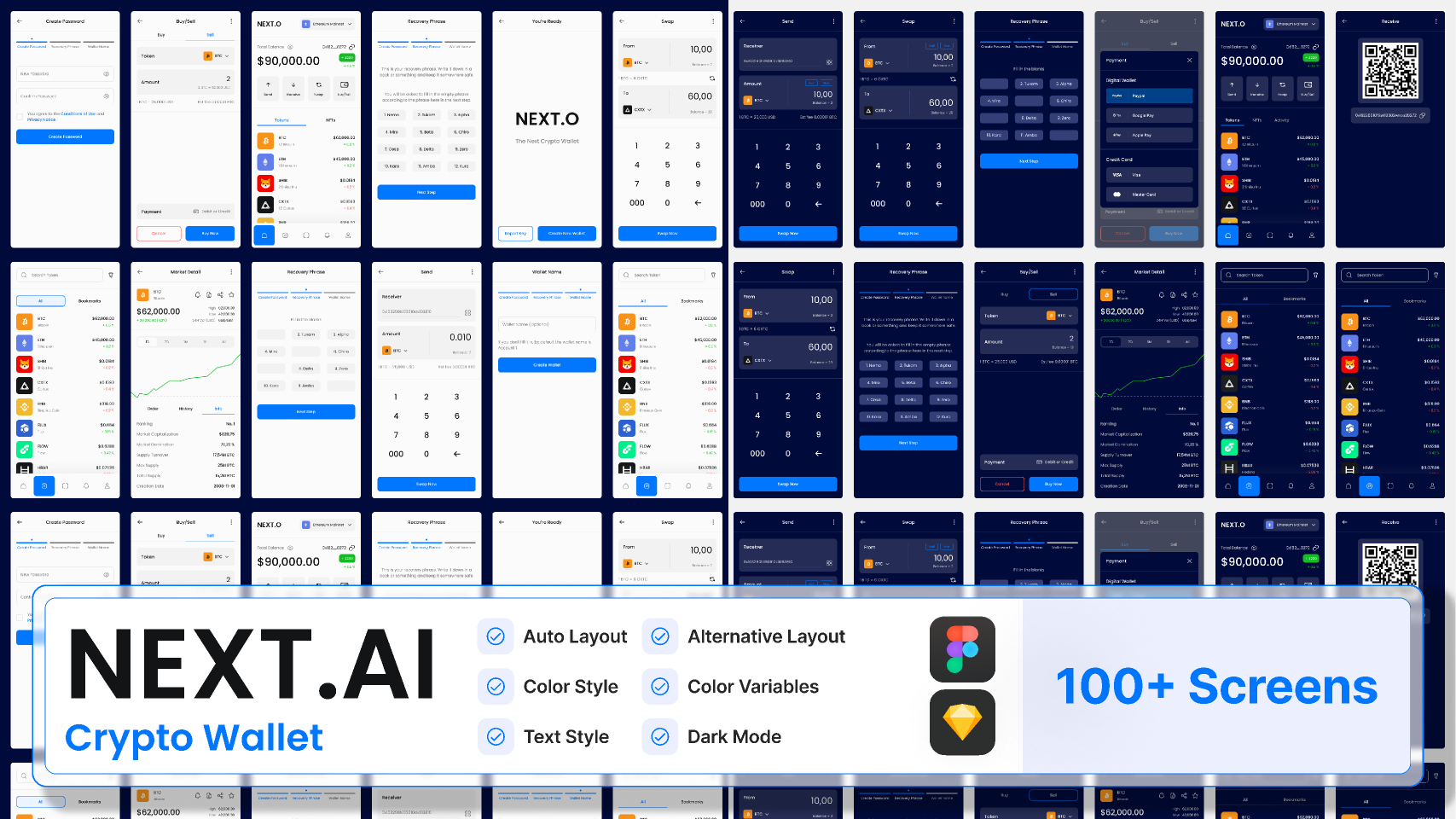
Modern onboarding tools have shifted from simple email sign-ups to sophisticated biometric and AI-driven verification. This evolution addresses the dual challenge of security and compliance. Tools like Next.AI demonstrate how facial recognition and behavioral analysis can replace complex seed phrase management, making wallet creation as simple as unlocking a phone.
The stakes are high for platforms that ignore this friction. Minimizing drop-off during the first five minutes of interaction is essential for long-term retention. When onboarding feels seamless, users are more likely to complete their first transaction, turning passive observers into active participants in the Web3 economy.
Top crypto onboarding tools compared
Choosing the right crypto onboarding tool depends on whether you prioritize developer flexibility, regulatory compliance, or end-user speed. The leading platforms serve distinct roles in the Web3 entry stack, from funding accounts to verifying identity.
Plaid offers a unified integration for developers to build secure crypto onramps. By connecting directly to bank accounts, it simplifies the funding process for users while maintaining enterprise-grade security standards. This approach reduces friction for end-users who need to move fiat currency into digital assets quickly.
For identity verification, Sumsub provides a dedicated KYC platform built specifically for the crypto industry. It focuses on deterring fraud and money laundering at every step of the user journey, offering biometric support and real-time document analysis. This is essential for platforms operating in highly regulated jurisdictions.
GBG delivers an all-in-one identity platform that combines customer due diligence with fraud controls. It is designed to handle the first point of contact for crypto and FX services, ensuring that onboarding meets strict compliance requirements without slowing down the user experience.
The table below summarizes the core capabilities of these primary onboarding solutions.
| Tool | Primary Focus | Compliance Coverage | Integration Type |
|---|---|---|---|
| Plaid | Funding & Onramp | Standard Banking | API |
| Sumsub | Identity Verification | Global KYC/AML | SDK/API |
| GBG | Due Diligence | Enhanced CDD | API |
Plaid for instant bank verification
Plaid acts as the secure bridge between traditional banking and cryptocurrency platforms. By integrating Plaid’s API, crypto exchanges can verify user bank accounts and fund wallets without requiring manual transfers or lengthy wait times. This infrastructure is essential for reducing friction during the initial onboarding phase, allowing users to move from fiat currency to digital assets with minimal delay.
The verification process typically involves linking a bank account through Plaid’s standardized interface. This method confirms ownership and liquidity instantly, enabling immediate deposits. For users, this means skipping the multi-day settlement periods often associated with ACH transfers. For platforms, it reduces the risk of fraud by relying on Plaid’s real-time authentication protocols.
Security remains the core value proposition. Plaid uses bank-level encryption and does not store user credentials, ensuring that sensitive financial data remains protected during the handoff to the crypto service. This approach aligns with the growing demand for compliant and secure fiat-to-crypto onramps in 2026.
Sumsub for streamlined identity checks
Sumsub positions itself as a verification platform built specifically for the crypto industry, aiming to deter fraud and money laundering at every step of the user journey. Rather than forcing users through a generic, one-size-fits-all identity process, the platform integrates AI-driven checks that adapt to the specific risks associated with Web3 onboarding.
The core value lies in balancing security with speed. Traditional KYC (Know Your Customer) and AML (Anti-Money Laundering) checks can be friction-heavy, often causing drop-offs during the critical early stages of user acquisition. Sumsub automates these checks using document recognition and facial biometrics, reducing the manual review burden while maintaining compliance standards. This automation allows platforms to verify identities in seconds rather than days, keeping the user experience smooth and immediate.
By centralizing these identity checks, Sumsub helps crypto exchanges and wallets maintain a clear audit trail without overwhelming their support teams. For platforms prioritizing security without sacrificing conversion rates, this specialized approach to identity verification offers a practical middle ground between regulatory requirements and user convenience.
GBG for comprehensive due diligence
GBG offers an all-in-one identity platform designed specifically for the high-stakes environment of crypto and FX services. Rather than stitching together disparate tools, GBG combines customer due diligence (CDD) and fraud controls at the first point of contact. This integration is critical because the initial onboarding moment is where most friction—and risk—occurs.
For platforms dealing with digital assets, speed and accuracy are not just features; they are requirements. GBG’s approach reduces the time spent verifying identities while simultaneously screening against global sanctions and watchlists. By handling these checks in a single workflow, service providers can onboard legitimate users faster without compromising on regulatory compliance.
The platform’s architecture addresses the unique challenges of Web3 entry, where traditional KYC methods often feel intrusive or slow. By embedding these checks directly into the user journey, GBG helps firms maintain a balance between security and user experience. This unified view of customer risk allows teams to make informed decisions instantly, reducing false positives and operational overhead.
GBG’s solution is particularly relevant for firms that need to scale onboarding processes without proportionally increasing compliance staff. Their documentation details how their identity verification tools adapt to evolving regulatory landscapes across different jurisdictions.
How to choose the right onboarding tool
Selecting a crypto onboarding solution requires aligning the platform’s strengths with your specific operational goals. The best tool for a developer building a custom exchange differs significantly from the one needed by a startup prioritizing user retention. Focus on three core dimensions: integration complexity, compliance capabilities, and the end-user experience.
Developer integration ease
If your priority is rapid deployment and customizability, look for platforms with robust APIs and SDKs. Stripe Crypto, for example, offers a developer-first approach that simplifies fiat-to-crypto flows while handling the underlying infrastructure. This reduces the technical debt associated with building payment rails from scratch. Check if the provider offers sandbox environments and comprehensive documentation to accelerate your testing phase.
Compliance requirements
Regulatory adherence is non-negotiable for high-stakes financial products. Ensure the tool supports Know Your Customer (KYC) and Anti-Money Laundering (AML) checks natively. Some platforms operate as full-service custodians, while others provide white-label solutions that require you to manage risk separately. Verify that the provider’s compliance framework aligns with your target jurisdiction’s regulations to avoid costly legal hurdles later.
User experience focus
The final layer is how the user perceives the journey. Onboarding is often a social experience, but friction in the digital interface can still cause drop-off. Choose tools that offer intuitive interfaces, clear error messaging, and mobile responsiveness. A seamless entry point builds trust, encouraging users to complete their first transaction. Review demo videos or case studies to gauge the actual user journey before committing.


As an Amazon Associate, we may earn from qualifying purchases.
Frequently asked: what to check next
What is crypto onboarding?
Crypto onboarding is the process of guiding a new user from zero knowledge to their first transaction. It includes account creation, identity verification (KYC), funding the account with fiat currency, and executing the first buy or transfer. Effective onboarding minimizes friction to prevent user drop-off.
How do I start with crypto in 2026?
Start with a regulated exchange like Coinbase or Kraken. These platforms offer built-in wallets and simplified fiat on-ramps, making them the most accessible entry points for beginners. They handle the complex compliance and security layers, allowing you to focus on learning.
Is crypto onboarding safe?
Safety depends on your choices. Use reputable exchanges that comply with local regulations. Enable two-factor authentication (2FA) immediately and consider a hardware wallet like Ledger or Trezor for long-term storage. Avoid sharing seed phrases or private keys with any service.
What is the easiest crypto wallet for beginners?
Non-custodial wallets like MetaMask or Rabby are popular for their ease of use and integration with decentralized apps. For pure buying and selling, exchange-hosted wallets are the simplest starting point as they require no separate setup for fiat deposits.
No comments yet. Be the first to share your thoughts!